
Twenty thousand dollars sounds like a solid used-car budget until you start shopping. Listings that look perfect at $19,900 often have 140,000 miles, a rebuilt title, or a dealer fee stack that pushes the real number past $22,000. Meanwhile, the clean one-owner Honda you wanted is either gone or priced like it still has a new-car smell.
That is the real problem with used cars under 20k. The number on the window is not the cost of owning the car. Advertised price is the bait. Out-the-door price is what you pay the seller. Total ownership cost is what you pay over the next two or three years in insurance, tires, brakes, repairs, and fuel.
This guide is for U.S. shoppers trying to spend about $20,000 without buying someone else’s problem. You will learn what this budget actually buys in 2026, which vehicle types tend to make sense, what to inspect, and how to keep fees from eating the deal.
Used-car prices move with region, mileage, trim, condition, and the broader market. Treat every model example as a starting point, not a guaranteed listing in your ZIP code.
Used Cars Under $20K: What Can You Actually Buy?
At this budget, you are usually shopping older, higher-mileage, or more basic. That is not automatically bad. It does mean you have to be picky.
In much of the country, $20,000 still buys a usable compact or midsize sedan from the late 2010s or early 2020s, especially with 80,000–140,000 miles. Popular compact SUVs are tighter. Trucks are tighter still unless you accept age, miles, or a work-worn interior. Hybrids can look expensive on the lot and cheaper by the month if you drive a lot.
What this budget typically involves:
- Age: Often 6–12 years old for clean mainstream cars. Newer examples usually have more miles or fewer features.
- Mileage: Commonly 70,000–150,000. “Low mileage” under $20K is relative.
- Body styles: Sedans and hatches are the easiest. Crossovers cost more. Crew-cab trucks and three-row SUVs ask you to compromise.
- Condition: Clean private-party cars exist. So do auction-fed dealer units with fresh polish and old brakes.
- Trim: Base and mid trims are the value play. Loaded luxury trims at this price are often there because repairs are coming.
- History: One or two owners with records beats a mystery car with new floor mats.
- Region: Salt-belt rust, Sun Belt interiors, and West Coast demand all change the same VIN’s price. A Forester in Maine is not priced like one in Arizona.
If you need AWD, a truck bed, or a third row, $20,000 buys a narrower, older slice of the market. If you need a commuter with good fuel economy, the field opens up.
Best Used Cars Under $20K for 2026
There is no single best used car under $20k. There is a best fit for your commute, family, climate, and tolerance for repairs. The vehicles below are examples that commonly show up around this budget in the U.S. Availability depends on year, miles, and local demand.
If you want a reputation for lasting
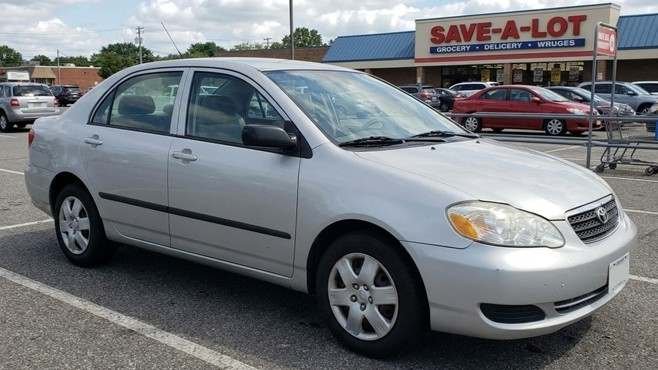
Toyota Corolla and Honda Civic are the default answers for a reason. They are common, parts are everywhere, and a well-kept example can be dull in the best way. Look at late-2010s into early-2020s cars if mileage and condition line up. Inspect for accident repairs, oil-change history, and, on turbo Civics, any signs of neglected oil service. Corollas are rarely exciting. That is the point.
Toyota Camry and Honda Accord give you more space and highway calm. V6 Accords can be quick and useful; some model years have automatic-transmission service histories you should verify. Four-cylinder Camrys are the “just works” family sedan. Check strut mounts, engine mounts, and whether the car was a rental.
Mazda3 is the pick when you want Honda-like ownership with better steering. Rust in snow states and deferred suspension work are the usual used-car issues, not exotic failures. Confirm the infotainment and backup camera work. Older Mazda electronics are fine until they are not.
If fuel economy is the whole job
Toyota Prius is still the mileage king in this price band. A high-mileage Prius with records can be a better buy than a pretty gas sedan with no paperwork. Have the hybrid system scanned. Ask for battery-health clues: ready lights, fuel-economy history, and whether the car sits for weeks. A Prius that was a taxi may have more honest miles than a garage queen with a dying 12-volt battery.
Hyundai Ioniq Blue (older non-plug-in examples) and Honda Insight show up less often but can deliver Prius-like economy. Parts and independent-shop familiarity are not as universal as Toyota’s. Budget that into the decision.
Small non-hybrids — Civic, Corolla, Nissan Versa, Hyundai Elantra — also post strong MPG. With Nissan, the conversation is the CVT. A service record that includes fluid changes is more important than a shiny steering wheel.
If you need a family car
Honda CR-V and Toyota RAV4 are the crossovers people actually keep. At $20,000 you are often looking at older years or higher miles than the sedan next to them. That can still be the right purchase if the car was maintained. Check AWD operation, rear-hatch struts, air-conditioning, and underbody rust.
Subaru Outback and Forester make sense in snow, on dirt roads, and for dogs. Look at head-gasket history on older examples, CVT behavior, and whether the underbody looks like it has seen ten winters. Subaru buyers should care more about rust and oil records than about roof-rail stickers.
Honda Odyssey (older) can be a lot of van for the money. Sliding doors, kid duty, and transmission fluid history matter. A cheap Odyssey with shudder on takeoff is not a bargain.
If you want SUV practicality without a huge footprint
Mazda CX-5 rides better than many compact SUVs and still fits this budget in older or higher-mile form. Inspect for tire wear, which can get expensive on larger wheels, and for rust around the rear wheel arches in salt states.
Hyundai Tucson and Kia Sportage offer space and warranty leftovers on newer used examples, depending on in-service date. Read remaining powertrain coverage on the VIN. After the warranty, you are buying a normal used SUV. That is fine if the price reflects it.
Toyota Highlander at this budget is usually older. It is still one of the more sensible three-row used buys if you need the seats and accept age. Check the rear HVAC, timing-chain-era oil leaks, and whether the third row actually still folds.
If you want a hybrid that is not only a Prius
Camry Hybrid and older Ford Escape Hybrid / Toyota RAV4 Hybrid examples can appear near this number with the right miles. The hybrid premium is real. So is the fuel savings if you drive 15,000-plus miles a year in traffic. If you drive 6,000 miles of highway, a cheap Civic may win.
If you care about driving
Honda Accord, Mazda3, and older Mazda6 are the grown-up choices. A used Volkswagen GTI can be more fun and more expensive to keep. If you buy German sportiness under $20K, you need a mechanic, not a vibe. Skip modified exhausts, stage-2 tunes, and cars with five previous owners at a meetup.
If you need space more than image
A clean Honda Pilot, Toyota Sienna, or Chevy Equinox can beat a prettier compact SUV for cargo. Space is a feature. So is a transmission that has been serviced. Do not buy a three-row interior and ignore the fluid under the dipstick.
For every vehicle in this section, the inspection beats the nameplate. A neglected Camry is a worse buy than a documented Mazda.

Best Reliable Used Cars Under $20K
Reliability is not a badge. It is a file folder. A “reliable” used car is one that was maintained, not wrecked, and not asked to do a job it hates. Brand reputation helps you guess. Records tell you what happened.
Evaluate reliability in this order:
- Service history. Oil changes, brakes, coolant, transmission fluid, recalls. A thick folder beats a verbal “never had a problem.”
- Owners. One careful owner is ideal. Three owners in four years is a story. Get the story.
- Accidents. A parking-lot bumper is not a frame hit. Airbag deployment and structural repair belong in a different conversation.
- Age versus miles. A 2015 car with 70,000 highway miles can be healthier than a 2020 car with 90,000 city miles and no records.
- Drivetrain. Slips, shudders, delayed engagement, 4WD noises, and hybrid warning lights are price-killers.
- Recalls. Check NHTSA by VIN. Unrepaired airbags or fuel-pump recalls are not negotiating chips. They are safety problems.
- Repair costs. A $400 starter on a Civic is annoying. A $4,000 air suspension on a cut-rate luxury SUV is a different budget.
Toyota, Honda, and Mazda have long track records in independent reliability surveys, which is why they cost more used. That premium is often rational. It is not a substitute for a compression test and a lift inspection.
Luxury brands can be reliable if maintained. At this price, many were not. That is why a 12-year-old Lexus ES with records can be a smarter “reliable” buy than a 7-year-old German sedan with adaptive suspension and a check-engine light that “just came on.”
Best Used SUVs Under $20K
Used SUVs under 20k are where shoppers get squeezed. America wants crossovers, so the good ones hold value. You will likely choose among older CR-Vs and RAV4s, higher-mile CX-5s, Subarus, and Korean compact SUVs.
What to weigh:
- Cargo: Measure your stroller, golf clubs, or dog crate. A Tucson with the seats down may beat a smaller “nicer” car.
- Fuel economy: Compact crossovers often sit in the mid-20s MPG combined. That is fine. It is not a Prius. AWD usually costs a few MPG.
- AWD: Useful in snow and gravel. Not magic. Tires matter more than a badge. Worn all-seasons on an AWD RAV4 are worse than snow tires on a front-drive Civic.
- Maintenance: Transfer case and differential fluid are the forgotten services. Brake wear is higher than on a sedan because these things are heavier.
- Common issues: Rust, leaky sunroofs, tired wheel bearings, HVAC problems, and neglected timing belts on older engines. On turbo Honda/Toyota four-cylinders, oil-change interval history is not optional.
A practical compact-SUV shortlist to shop — not a ranking — is Honda CR-V, Toyota RAV4, Mazda CX-5, Subaru Forester, and Hyundai Tucson, each with the usual year-and-miles caveats. For three rows, older Highlander, Pilot, and Hyundai Santa Fe examples are the realistic $20K conversation, not last year’s fully loaded Telluride.
If you do not need ground clearance or AWD, a wagon or a hatchback will usually ride better and cost less to run. Buy the SUV for the space and weather, not because every ad on TV has one.
Best Used Trucks Under $20K
Used trucks under 20k are work stories. Crew-cab, low-mile, one-owner F-150s at this price are rare for a reason. What you can find is older half-tons, higher-mile Tacomas, midsize trucks, and fleet trucks that towed for a living.
Before you fall for a bed liner and a chrome toolbox, check:
- Towing history. Look at hitch wear, brake-controller plugs, transmission temperature, and whether the truck noses down. A 3.5 EcoBoost that pulled a landscaping trailer for 160,000 miles is a different machine from a grocery F-150.
- Payload and modifications. Lift kits, 35-inch tires, and plow mounts change bearings, ball joints, and fuel bills. Factory-stock is easier to inspect.
- Rust and frame. This is the deal-breaker in the Midwest and Northeast. Bubbling cab corners, rotten brake lines, and crusty frames are not cosmetic.
- Transmission. Hard shifts, delayed reverse, and burned fluid are walk-away items, especially on higher-mile automatics.
- 4WD. Drive it in 4-Hi and 4-Lo if you can do so safely. Listen for clunks. Confirm the hubs engage.
- Commercial use. Tailgate dings are fine. Bent beds, overloaded springs, and missing catalytic converters are not.
- Title and odometer. Trucks get clocked. Match Carfax/AutoCheck mileage to service stickers and inspection records.
Ford F-150, Chevy Silverado 1500, Ram 1500, Toyota Tacoma, Nissan Frontier, and Chevy Colorado all appear in this budget in some form. Tacomas cost more per year of age because the market believes they last. That belief is often earned. It still does not excuse a rusted frame. An honest high-mile F-150 with records can be the better tool.
If you need to tow near the truck’s limit, this may be the wrong budget. Buy the rating on the door sticker, not the one in a 2014 brochure.
Best Used Hybrid Cars Under $20K
Used hybrid cars under 20k can be the smartest purchase in the bunch if you drive enough to use the mileage.
Why they attract this budget:
- Fuel savings that show up every week, not in a residual-value spreadsheet
- Regenerative braking that is easier on pads
- Strong used demand for Prius and Camry Hybrid, which also helps when you sell
The battery is the fear that sells extended warranties. Some fear is outdated. Many Toyota hybrids from the 2010s have gone well past 150,000 miles on original packs. Some have not. You cannot know from a Facebook photo.
Inspect hybrids like this:
- Scan for hybrid-system codes, not just a check-engine light.
- Confirm the gasoline engine starts and stops smoothly.
- Watch the battery-assist display on a test drive. Dead zones and warning messages matter.
- Check remaining federal/state hybrid-battery warranty if any original coverage remains. Typical new-hybrid battery coverage has been 8 years/100,000 miles federally, longer in states that follow California rules, but a 2016 Prius may be outside that window. Verify by VIN and in-service date.
- Price a replacement before you buy. A pack is a major repair, not a set of brake pads. Independent refurbished options exist on popular Toyotas; they are still real money.
A hybrid that sits on a charger at work and runs 20,000 miles a year can beat a cheaper gas SUV on total cost. A hybrid that does 4,000 suburban miles a year may never earn back a $3,000 premium. Do the math with your miles and your electricity-versus-gas prices. There is no universal winner.
How Many Miles Should a $20K Used Car Have?
There is no magic odometer. Mileage is a clue, not a verdict.
Compare the whole picture:
| Profile | What it can mean | What to verify |
|---|---|---|
| Low miles, older car | Easy life, or long sits, dry-rotted tires, dried seals | Tires, brakes, battery, leaks, whether it was driven |
| High miles, newer car | Highway commuter or rideshare | Oil intervals, transmission behavior, interior wear that matches miles |
| Highway miles | Often kinder to engines | Still check suspension and tires |
| City miles | More wear per mile | Brakes, transmission heat, oil dilution on some short-trip turbos |
| Fleet/rental | Maintenance may exist; use was hard | Multiple drivers, curb damage, skipped details |
A 2018 Camry with 125,000 documented highway miles can be a better car than a 2014 Civic with 62,000 miles and a mystery. Rubber belts, coolant, and brake fluid age even when the car does not move. Sitting is not the same as being preserved.
Maintenance history can matter more than the number. If you have to choose, choose paperwork.
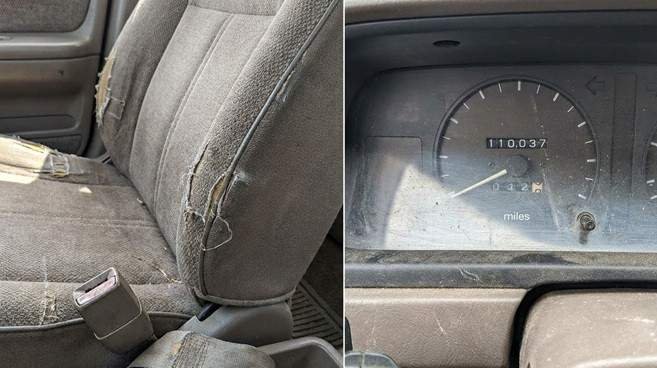
What Mileage Is Too High for a Used Car Under $20K?
“Too high” depends on the vehicle class and the next repair.
A practical framework:
- Economy cars (Civic, Corolla, Elantra): 150,000 miles is not automatically the end if the engine burns clean oil, the trans shifts, and the underside is solid. Past that, you are buying condition.
- Compact SUVs: Heavier, more brake and tire cost. 120,000–160,000 can be fine with records. Rust ends the conversation earlier than the odometer.
- Trucks: 200,000-mile examples exist. So do 140,000-mile trucks that were overloaded. Frame, trans, and 4WD decide it.
- Hybrids: High miles are normal. Battery health and cooling-system service matter more than a round number.
- Luxury: 100,000 miles on an unpaid-for air suspension is often too high for this budget, even if the engine is fine.
If a seller says “these motors go 300,000,” ask for the receipts that got this motor to 180,000. Myths do not replace coolant flushes.
Should You Buy a 5-Year-Old Car or a 10-Year-Old Car for $20K?
Both strategies work. They fail in different ways.
A newer, higher-mile car (roughly 5 years old) usually has better crash-test hardware, a backup camera as standard on later U.S. models, newer infotainment, and remaining powertrain warranty in some cases. You pay for that with miles, possible rideshare wear, and less room to negotiate if the model is hot.
An older, lower-mile car (roughly 10 years old) can have an easier life and simpler tech. You also get older safety systems, more rust risk, aged fluids, and parts that fail from calendar time: struts, bushings, water pumps, batteries.
| Factor | Newer / higher miles | Older / lower miles |
|---|---|---|
| Depreciation | Already taken a big hit, but not done | Mostly depreciated |
| Tech and safety | Usually better | Cameras and automatic braking less common |
| Maintenance | Wear items from miles | Wear items from age |
| Insurance | Sometimes higher | Sometimes cheaper, not always |
| Repair risk | One big highway-commute failure | Several small old-car failures |
| Resale | Easier if the nameplate is strong | Depends entirely on condition |
Buy the 5-year-old car if you want safety tech and can prove the miles were maintained. Buy the 10-year-old car if the body is clean, the records are real, and you will not miss lane-keeping assist. Do not buy either if the seller will not allow an independent inspection.
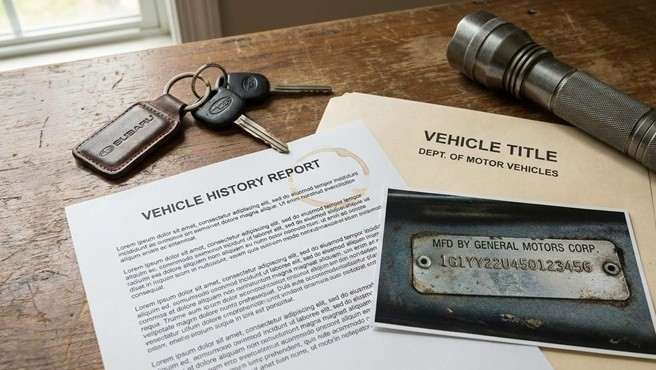
How Much Should You Really Spend on a $20K Used Car?
If your total budget is $20,000, do not bid $19,995. You need a cushion.
Costs beyond the listed price typically include:
- Sales tax (varies widely by state)
- Registration and title
- Documentation or dealer fees
- Financing interest if you are not paying cash
- Insurance, which can jump with a newer or sportier car
- Immediate maintenance: fluids, filters, belts
- Tires and brakes if they are “almost new”
- The first surprise repair
Example (not a quote, not universal):
A car listed at $18,500.
6% tax = $1,110.
Fees and registration = $450.
First-month insurance difference = $80.
Tires in 4,000 miles = $700.
Oil, cabin filter, coolant service = $350.
You are already near $21,000 before a single unexpected sensor. That is why many careful buyers shop listed prices around $16,000–$18,000 when $20,000 is the true ceiling.
If you can only afford the payment on a $20,000 financed car with nothing left for a water pump, you cannot afford that car. Cash or a smaller loan plus a repair fund is the adult version of this budget.
Private Seller vs Dealer for a Used Car Under $20K
Neither is morally superior. They fail differently.
Private party is often cheaper. You may get maintenance records from the person who actually owned the car. Financing is on you. Consumer protections are thinner. A polite seller can still hide a rebuilt title if you do not run the VIN. Inspection is non-negotiable.
Dealer costs more on average, especially after doc fees. You may get a limited warranty, a trade-in path, and in-house financing. You may also get a car that was bought at auction yesterday and detailed this morning. “Certified” means whatever that dealer’s certificate says. Read it.
| Private | Dealer | |
|---|---|---|
| Price | Often lower | Often higher, fees stacked |
| Selection | One car | A row of cars |
| Paperwork | You handle title/registration | They process it, for a fee |
| Warranty | Usually none | Maybe a short one; read exclusions |
| Negotiation | Room if flaws are real | Room if the car has sat |
| Pressure | “I have another buyer” | “This price is for today” |
A small independent lot can be either a community resource or a title mill. Judge the car, the VIN, and the inspection, not the flags on the lot.
For used cars under $20k, a private-party Honda with a folder of receipts and a pre-purchase inspection often beats a dealer “special” with temporary tags and no underbody photos.
How to Check a Used Car Before Buying
If you skip this section, the rest of the article is entertainment.
Exterior. Panel gaps, overspray, mismatched paint, hail, rust at wheel wells, bubbling around windshields, wet carpets that smell like a basement.
Tires. Even brand-name tires in two sizes or two dates are a story. Uneven wear means alignment, suspension, or both. Dry rot on a “low-mile” car means it sat.
Brakes. Pedal feel, pulsation, groaning. Peek at pad thickness if you can.
Engine. Cold start if possible. Smoke, knocking, sweet coolant smell, oil on the underside of the hood, milky oil cap, belt noise.
Transmission. Reverse delay, flare between gears, CVT drone and flare, clunk into drive. Test at neighborhood speeds and on a merge.
Fluids. Level, color, burnt smell. Pink transmission fluid that looks like tar is not a “top-off” issue.
Suspension. Clunks over speed bumps, a corner that sits low, steering wander.
Underbody. Exhaust leaks, rusty brake lines, wet struts, dented oil pan, aftermarket welds.
Interior. Seat wear versus odometer, water stains, fogged headlights paired with a too-clean engine bay, aftermarket radios that hide warning lights.
Electronics. Every window, every camera, every heated seat, the HVAC, CarPlay if advertised. Warning lights during key-on bulb check should appear, then go out.
Test drive. Cold start, hot restart, highway, braking from 40 mph, a rough road, a parking-lot lock-to-lock turn. Cruise control. AWD if equipped.
Then pay an independent mechanic for a pre-purchase inspection. A $150–$250 inspection is cheap compared with a $2,800 transmission. If the seller refuses, you have the answer.
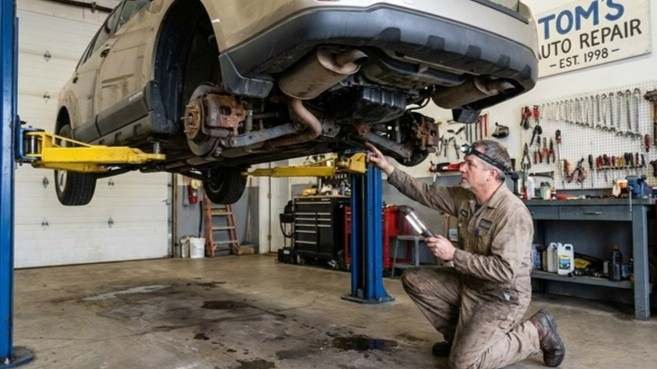
How to Check a Used Car’s Vehicle History
Run the VIN before you fall in love. Use a vehicle-history report and NHTSA’s recall lookup. If the seller already ran a report, run your own. Reports are not all identical.
Look for:
- Title status: clean, salvage, rebuilt, flood, lemon, junk
- Accidents: date, severity, airbags, photos if any
- Owners: number and type (private, fleet, rental, lease)
- Mileage records: inspection, auction, service entries that jump backward
- Service: not always complete; absence is not proof of neglect, but it is not proof of care either
- Use: rental and fleet are not automatic disqualifiers; they need extra inspection
- Open recalls
A clean report means no reported event. Plenty of fender-benders never hit insurance. Flood cars can be washed, titled, and moved across state lines. The history report is a filter. The lift at a shop is the exam.
Red Flags to Watch for in a Used Car Under $20K
Walk away, or at least slow way down, if you see:
- A price far below comparable cars with no explanation
- No maintenance records and a shrug
- Mismatched tires or a spare that has been “the fifth tire” for 8,000 miles
- Warning lights, or bulbs that never illuminate at key-on
- Fresh undercoating that hides rust instead of preventing it
- Transmission hesitation, flaring, or a violent clunk
- Overheating, heater issues, or a coolant smell
- Blue, white, or unburned-fuel smoke
- Mileage that does not match wear, inspection stickers, or Carfax entries
- Salvage or rebuilt title sold as a “small accident”
- Seller refusing a third-party inspection
- Pressure to buy today, send a deposit before seeing the car, or meet in a dark lot with a story about the title being in the mail
Cheap used cars under 20k attract rushed buyers. Sellers know that. Your advantage is leaving.
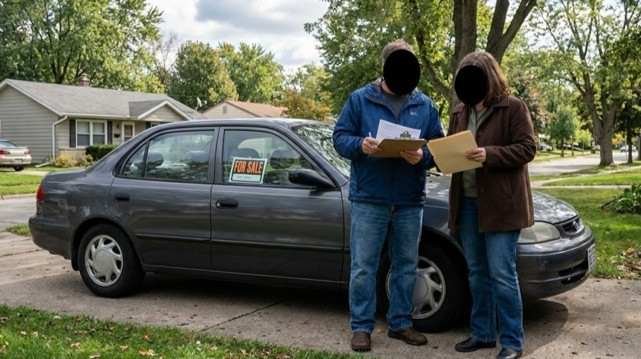
Should You Buy a Used Car With an Accident History?
Sometimes. Context is everything.
Minor cosmetic damage — a bumper cover, a parking-lot dent repaired at a reputable shop — can be a reason to negotiate, not a reason to flee.
Structural or frame damage, airbag deployment, flood, or a poorly repaired unibody is a different product. Even a “rebuilt and inspected” car can be hard to insure, finance, and resell. Alignment problems and mystery rattles show up later.
Ask:
- Where was the hit?
- Did airbags deploy?
- Who repaired it?
- Are there photos?
- Does a shop see consistent panel gaps and weld quality?
Insurance can treat salvage and rebuilt titles differently. So will the next buyer. If you need a car you can sell in 18 months, a clean title is worth paying for. If you are keeping a cheap commuter for a decade and a shop signed off on a minor rear hit, it can be a discount, not a trap.
Do not let a seller narrate the accident while you skip the inspection. Stories are free. Measuring tape is not.
Should You Buy a Used Car With 100K+ Miles?
Yes, if the car earned those miles.
100,000 miles is not a cliff. It is a maintenance gate. Many engines are just broken in. Timing belts (on engines that use them), spark plugs, coolant, transmission service, and a cooling-system look are the difference between a $20K solution and a $20K donation.
Pay attention to:
- Timing belt versus chain, and whether the belt was done
- Transmission service, especially CVTs and older automatics
- Water pump, thermostat, radiator, hoses
- Suspension that will need struts soon
- Tires and brakes that were “just done” with no receipts
A 110,000-mile Prius or Camry with dealer records can be boringly sensible. A 102,000-mile luxury crossover with four open recalls and a leaking air strut is how this budget goes to waste.
If the major services are due now, either the price drops by that amount or you leave. Do not “plan to do it later” if later is next week and you already spent the fund.
Which Used Cars Under $20K Should You Avoid?
Avoid categories, then inspect individuals. Blanket “never buy this model” lists go stale and often ignore a well-kept exception. Extra scrutiny is still rational.
Neglected luxury vehicles. BMW, Mercedes, Audi, Land Rover, and Jaguar examples that fell into this budget because a $1,800 control-arm job was due. The car is not cursed. The previous owner’s budget was. Yours might be too.
Heavily modified vehicles. Tunes, cheap lifts, cut springs, deleted emissions, and “stage 2” stickers. You inherit every shortcut.
Salvage and rebuilt titles unless you fully understand insurance, financing, and repair quality — and you are paying salvage prices, not clean-title prices.
No-history cars. Especially from out of state, with fresh temp tags, after a flood year.
Known expensive-repair patterns. Examples that deserve homework, not automatic rejection: many Nissan/Mitsubishi CVTs of the 2010s, Ford Focus/Fiesta PowerShift dual-clutch years, some Jeep electronics-and-rust combinations, and German cars with air suspension or complex cooling layouts. Verify the specific year and engine. Then inspect.
Unclear ownership. A title in one name, keys from another, and a bill of sale from a third is how stolen and flood cars move.
If you want a name: do not buy the cheapest Range Rover on Facebook. That sentence will age well.
How to Negotiate the Price of a Used Car Under $20K
Negotiation is not theater. It is math.
- Research comparables. Same year, similar miles, similar options, same region. Use listings as a range, not a fantasy.
- Compare condition, not just price. One new set of tires is $600–$1,000. Use that.
- Get the inspection. Arrive with written estimates, not vibes.
- Price the repairs. Brakes, tires, a leaking strut, a cracked windshield. Add them. That is your discount request, plus a little room.
- Separate the car price from financing. A low payment with a stuffed loan is not a discount.
- Ask for an itemized out-the-door number. Tax, doc fee, registration, add-ons. “We’ll figure fees later” is how $18,995 becomes $21,400.
- Walk. The strongest sentence in used-car shopping is “I’ll keep looking.”
Be polite. Be specific. Do not insult the seller’s dead relative’s Camry. Do point to the scan-tool printout.
If they will not move on a car that needs $1,200 in tires and brakes, the market may support their price. Then you decide whether you want to be the person who pays it.
Used Car Under $20K Buying Checklist
Save this.
- Hard ceiling for out-the-door plus first repairs
- Insurance quote on the exact VIN or a close comparable
- VIN decoded; history report run by you
- NHTSA recall check
- Title in seller’s name; no salvage surprises
- Maintenance records, even partial
- Independent mechanical inspection
- Test drive: cold start, highway, brakes, transmission
- Tire date codes and brake measurements
- Underbody rust check
- All electronics demonstrated
- Itemized out-the-door price
- Lien payoff confirmed if needed
- Bill of sale, odometer statement, keys (both), manuals
- Financing terms in writing, or cash plan
- First service appointment booked after purchase
If an item on this list is “we’ll do it after you leave a deposit,” do not leave a deposit.
FAQ/Frequently Asked Questions
Is $20,000 enough for a good used car?
Yes, if you shop condition and leave room for tax, fees, and immediate maintenance. It is enough for many sedans, some hybrids, and older or higher-mile SUVs and trucks. It is not enough for a loaded late-model crew-cab with low miles in most markets.
What is the best mileage for a used car under $20K?
The best mileage is the one backed by records and a clean inspection. Many solid buys sit between 80,000 and 140,000 miles. Low miles on an old car can hide dry rot and old fluids. High miles on a highway commuter can be honest.
Is it better to buy an older car with low miles?
It can be, if the car was driven enough to stay healthy and the underside is clean. A 10-year-old, 60,000-mile car that sat may need rubber, brakes, and a fuel-system service. Compare safety tech and rust against a newer high-mile alternative.
How much should I budget beyond the $20,000 purchase price?
Plan for tax, registration, fees, insurance, and a maintenance cushion. A common working range is 10–20% beyond the advertised price, depending on your state’s tax and the car’s tires and brakes. If $20,000 is the true maximum, shop cars listed lower.
Should I buy a used SUV or sedan for $20K?
Buy the SUV if you need cargo, ground clearance, or AWD for real weather. Buy the sedan if you want more car for the money, better fuel economy, and an easier inspection. A $20K sedan in excellent shape often beats a $20K crossover that is tired.
Is a used hybrid worth buying under $20K?
It is if you drive enough to use the MPG and the hybrid system scans clean. Fuel savings are the return. Battery replacement is the risk. Verify warranty status, service history, and what a pack costs on that specific model before you pay a hybrid premium.
How do I inspect a used car before buying?
Do a daylight walk-around, a cold-start test drive, and a VIN history check, then pay an independent shop for a pre-purchase inspection on a lift. If the seller refuses, do not buy. A used car inspection checklist is cheaper than a transmission.
What are the biggest red flags when buying a used car?
Prices that are too low, refused inspections, warning lights, salvage titles sold as clean, mismatched tires, fresh undercoating over rust, transmission slip, and pressure to send money today. Any one of those is enough to pause. Two is enough to leave.
The right car at this budget is rarely the newest, the lowest-mile, or the one with the most leather. It is the one whose advertised price, out-the-door cost, and next two years of maintenance still fit your life. Shop used cars under 20k for paperwork and condition first. Use Toyota, Honda, Mazda, and well-kept hybrids as a map, not a religion. Treat trucks and SUVs as heavier, rust-sensitive machines. Leave luxury orphans, rebuilt mysteries, and sellers who fear mechanics.
A reasonable purchase price, honest miles, a clean enough title, and costs you can actually carry will beat a prettier listing every time. That is the deal. Everything else is detailing spray.
Related Post