
What if you could drive a full-size pickup on electric motors while keeping a gasoline engine ready to generate electricity when the battery runs low? That’s the core idea behind the Ramcharger, and it has drawn attention from truck buyers who want electric torque without depending entirely on charging stations.
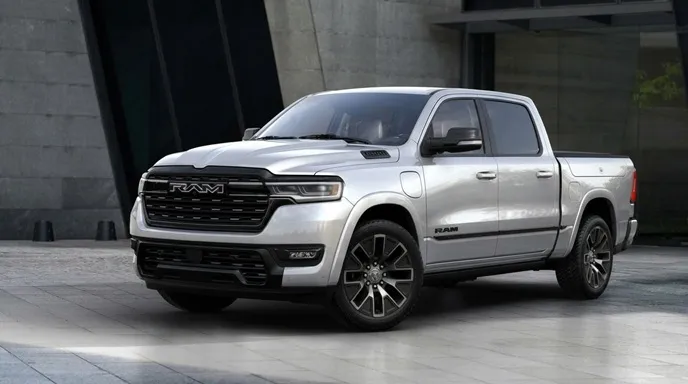
The Ramcharger is no longer the model’s name. Ram introduced it as an extended-range electric pickup. In September 2025, Stellantis renamed that model the Ram 1500 REV after discontinuing development of a separate, fully battery-electric Ram 1500 REV. As of November 2026, Ram has indicated a 2027 arrival. A “2026 Ram Ramcharger” is therefore not a confirmed production vehicle you can buy this year. The original Ramcharger concept, what the REV is now, how the extended-range system works, and how it compares with a gasoline Ram 1500 and with other electric pickups.
Is the 2026 Ramcharger Really Coming?
Ram first presented the Ramcharger as an extended-range electric vehicle, or EREV. The idea was to build a pickup driven by electric motors, with a battery that could be charged from a plug and a gasoline engine that generated electricity once the battery was depleted. Ram positioned it as a way to offer electric driving while reducing range anxiety for owners who tow, travel long distances or can’t charge at home.
The naming history matters for search and for purchase decisions:
- Original name: Ram 1500 Ramcharger, an extended-range electric pickup.
- September 2025: Stellantis renamed the extended-range model the Ram 1500 REV and discontinued development of its separate battery-electric Ram 1500 REV.
- November 2026: Ram has indicated a 2027 arrival for the extended-range Ram 1500 REV.
The gasoline Ram 1500 is a separate product that remains on sale. Check Ram’s official site for current model-year availability, because the Ramcharger/REV is not part of the 2026 lineup as a confirmed production vehicle.
A data-driven look at the Ram 1500 Ramcharger, a range-extended electric (EREV) full-size pickup. Figures are labeled by reliability: Confirmed Approx. Historical Estimate Speculation.
1.Price and Trim Estimates
Starting prices are before destination charges (typically about $1,995 for Ram full-size trucks, Approx.). The trim names below are placeholders for the Ramcharger’s pricing tiers, not confirmed model names.
| Tier | Powertrain | Estimated starting MSRP | Label |
|---|---|---|---|
| Entry Ramcharger | EREV, 4×4 standard | ~$62,000 | Estimate |
| Mid Ramcharger | EREV, 4×4 | ~$68,000 | Estimate |
| Upper Ramcharger | EREV, 4×4, premium cabin | ~$75,000 | Estimate |
| Top Ramcharger | EREV, 4×4, off-road or luxury package | ~$80,000+ | Estimate |
Estimated Starting Price ($K)
Scale maximum is $90K. Striped bars are estimates. A standard gas Ram 1500 with a similar cab and equipment level is typically priced below these tiers (Approx.), so the Ramcharger carries a premium that the payback calculator in Section 7 helps quantify.
2.Specs at a Glance
Electric range (Ramcharger)
Battery-only driving, about 92 kWh pack Approx.
Gas-only range (Ram 1500 with 26 gal tank)
Estimated at about 17 mpg combined Estimate
| Category | Ramcharger (EREV) | Standard Ram 1500 (gas) | Label |
|---|---|---|---|
| Powertrain | Turbo inline-six range extender plus electric drive motors | Gas V8, V6, or inline-six options | Approx. |
| Battery | ~92 kWh pack | None (12V starting battery only) | Approx. |
| Peak power | ~540 hp (combined system, top tune) | ~305–420 hp, depending on engine | Approx. |
| Peak torque | Electric motors add instant low-speed torque | ~260–460 lb-ft, depending on engine | Approx. |
| Efficiency | ~1.5–1.7 mi/kWh electric (~50–55 MPGe) | ~15–20 mpg combined | Estimate |
| Total range | ~690 mi combined | ~400–500 mi per tank | Approx. |
| Drive | 4×4 standard (Estimate) | RWD or 4×4 | Estimate |
| Home charging | Level 2 (240V), about 8–12 hours from low to full | Not applicable | Approx. |
| Fast charging | DC fast charging supported; typically 30–45 min for 10–80% at a high-power station | Not applicable | Estimate |
3.Power Comparison (Bar Chart)
Peak horsepower across Ram 1500 powertrains. Scale maximum is 600 hp.
Approx. Figures are rounded from published ratings and vary by engine tune and model year. Electric motor torque is available immediately, so the Ramcharger’s real-world launch feel can differ from its peak numbers.
4.Range and Charging
Range Comparison (miles)
Approx.
Estimate
Approx.
Estimate
Towing, high speeds, and cold weather reduce electric range significantly. Electric-only figures come from announced ratings. The cold-weather figure is an estimate, not a test result.
Where Owners Typically Charge (Assumed Mix)
Charging Time Guide
| Method | Typical time | Label |
|---|---|---|
| DC fast charger, 10–80% | ~30–45 min | Estimate |
| Level 2 (240V), 10–100% | ~8–12 hours | Approx. |
| Level 1 (120V), 10–100% | Multiple days; suitable for occasional top-ups | Approx. |
5.MPG and Efficiency
Combined Fuel Economy (mpg, gas or equivalent)
Estimate Scale maximum is 60 mpg or MPGe. The 40% electric mix is an assumption; actual results depend on how much you charge and drive. Gas-only and electric-only numbers are rounded and not official EPA ratings.
6.Trip Planner (Interactive)
Enter a trip length and check how much of it the Ramcharger could cover on battery power before the gas engine takes over.
7.Running Cost and Payback Calculator
Compare a Ramcharger running on mixed electric and gas driving against a standard gas Ram 1500 on the same mileage.
8.Towing, Hardware and Features
| Feature | Ramcharger | Standard Ram 1500 | Label |
|---|---|---|---|
| Max towing | ~8,000–9,000 lb (trim dependent) | Up to ~12,000 lb (engine and package dependent) | Estimate |
| Towing range impact | Electric range can drop sharply while towing | Range drops modestly with trailer weight | Estimate |
| Payload | ~1,400–1,700 lb (battery weight limits payload) | ~1,500–2,300 lb | Estimate |
| Drive hardware | 4×4 with electric drive motors | 4×4 or RWD with mechanical transfer case | Approx. |
| Possible home backup | Vehicle power outlets; whole-home use requires compatible equipment | Limited to standard outlets | Speculation |
| Bed and cabin | Standard Ram 1500 bed and cabin layouts | Multiple bed lengths and cab sizes | Approx. |
Estimated Towing Capacity (lb)
Scale maximum is 12,000 lb. Striped bars are estimates. Battery weight and the electric-range trade-off mean the Ramcharger’s tow rating and real-world towing range can be lower than a comparable gas truck.
9.Rival Comparison
Peak Horsepower
Approx. Scale maximum is 600 hp.
Electric-Only Range (miles)
Approx. Full EV pickups offer more electric range, but they have no gas backup. Ramcharger’s advantage is combined range and towing flexibility.
10.Timeline and Outlook
Ram confirms plans for a range-extended Ram 1500 as part of its electrification strategy.
Ramcharger specifications and pricing are shared in stages ahead of launch.
Ramcharger launch and first deliveries. Verify dealer availability and final trim pricing.
Software and charging updates, and possible added trims or packages.
Battery or range changes, expanded towing packages, or a shift in gas engine options are possible but unannounced.
11.Who Should Choose Which
Choose the Ramcharger if you:
- Want to drive short trips on electricity and still take long road trips
- Tow regularly and want more torque than a standard gas truck
- Have home charging for overnight top-ups
- Value the option of quiet, electric low-speed driving
Consider a standard gas Ram 1500 if you:
- Tow near the maximum rating often
- Have no home charging and drive mostly long distances
- Want the lowest purchase price
- Prefer simpler maintenance and no battery system
12.Frequently Asked Questions
What is a range-extended electric truck?
Approx. An EREV uses an electric motor to drive the wheels and a gas engine to generate electricity when the battery runs low. The truck can run on electricity alone for a limited distance, then continue on gas without stopping to charge.
How far does the Ramcharger go on electricity?
Approx. About 145 miles on battery alone under announced ratings. Towing, high speed, and cold weather reduce the real-world figure.
What is the total driving range?
Approx. About 690 miles combined, using electricity and gas together. Actual range depends on driving conditions and how often you recharge.
Is the Ramcharger cheaper to run than a gas Ram 1500?
Estimate It depends on how often you charge and the prices you pay for fuel and electricity. At default calculator inputs, the savings are modest, and the payback period is long. Its value is greater for buyers who drive short trips daily and charge at home.
Can the Ramcharger tow as much as a gas Ram?
Estimate Probably not at the top end. Battery weight and drivetrain design usually lower the maximum tow rating compared with the best gas configurations.
Is there a federal EV tax credit for the Ramcharger?
Historical The federal clean vehicle credit ended for vehicles acquired after September 30, 2025. Check current state or utility incentives and your tax situation before purchase.
2026 Ram Ramcharger Price and Release Date
Ram has not announced an official production price for the extended-range REV. Any older estimates circulating in early coverage should not be treated as current MSRP. Final pricing usually depends on trim structure, battery configuration, equipment and destination charges, and none of those have been confirmed for the production model.
Production timing also matters. A model that arrives later than planned can change its equipment, pricing and even its specifications before launch. For buyers, that means:
- Pricing should be compared only after Ram publishes an official build-and-price tool for the REV.
- Early announcements may describe targets rather than production figures.
- A conventional gas Ram 1500 can be priced and configured now on ramtrucks.com, which makes it a more predictable choice today.
Gasoline vs. Hybrid vs. Electric Ram Trucks
These three terms are often mixed up, so here is the simplest way to separate them:
- Gasoline truck: The engine drives the wheels through a transmission.
- Mild hybrid: The engine still drives the wheels, but a small electric system helps with starting, stop-start operation and some low-speed assistance.
- Extended-range electric (EREV): Electric motors drive the wheels, and a gasoline engine generates electricity to keep the battery charged.
| Feature | Gas Ram 1500 | Ram 1500 with eTorque (where equipped) | Ram 1500 REV (formerly Ramcharger) |
|---|---|---|---|
| Main power source | Gasoline engine | Gasoline engine with 48-volt assist | Battery and electric motors |
| Role of gas engine | Drives the wheels | Drives the wheels, with electric assistance | Generates electricity; does not drive the wheels directly |
| Plug-in charging | No | No | Yes |
| Electric-only driving | No | Not a full EV mode | Yes, per Ram’s announced targets |
| Refueling | Gas station | Gas station | Plug in and/or refuel |
| Status (as of November 2026) | Available | Available where equipped | Renamed; 2027 arrival indicated |
eTorque is not an extended-range system. It’s a mild-hybrid setup that helps the gasoline engine. The REV’s battery can power the wheels for normal driving, and the gas engine acts as a generator.
How Does the Extended-Range Electric System Work?
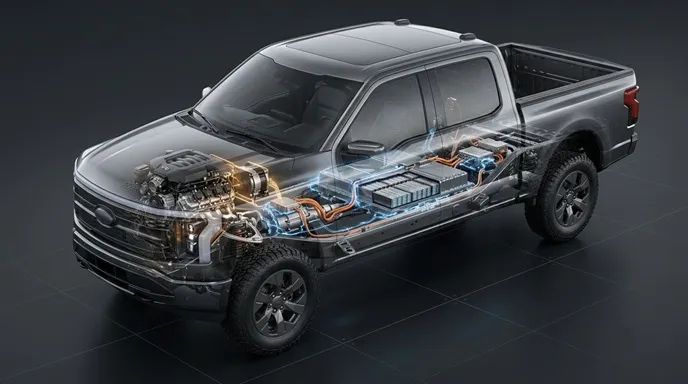
The Ramcharger architecture works in a sequence:
- The battery stores electricity. It can be charged from a home charger or a public charging station.
- Electric motors drive the wheels. The truck is propelled by electricity, not by a mechanical connection to the engine.
- The truck runs on battery power until the stored energy drops to a certain level.
- The gasoline engine turns a generator when additional electricity is needed.
- Electricity from the generator supports the battery and the electric drive system.
This is different from a conventional gas-electric hybrid. In many hybrids, the engine can drive the wheels directly at highway speed, with the electric motor assisting. In a series-style EREV, the engine’s job is to produce electricity.
The benefits are straightforward. Electric motors deliver torque immediately, which helps with launches, merging and towing starts. The truck can run quietly on battery power in town. Gasoline extends travel when the battery is low, which may appeal to buyers who take long trips without reliable charging.
Ramcharger Engine, Electric Motors and Horsepower
The original Ramcharger announcement described a 3.6-liter Pentastar V6 as the range-extender engine, with electric front and rear drive motors and all-wheel-drive capability. Those are the architecture details that Ram described publicly.
Ram has not published verified final production horsepower or torque figures for the extended-range REV in the sources reviewed. Some early coverage cited combined-system output numbers. Treat any such numbers as previously announced targets or unverified reports until they’re confirmed against Ram’s original press materials or a production specification sheet.
Keep these two categories separate:
- Previously announced architecture: 3.6-liter V6 generator, dual electric motors, AWD capability.
- Unconfirmed production output: combined horsepower, torque, acceleration and top speed.
Ramcharger Electric Range, Total Range and MPG
Range is where many buyers will focus, so it’s important to separate three concepts:
- Electric-only range: how far the truck can travel on battery power alone.
- Total range: electric and gasoline driving combined, using fuel to extend the trip.
- Fuel economy while the generator runs: how efficiently the gas engine converts fuel into electricity under various conditions.
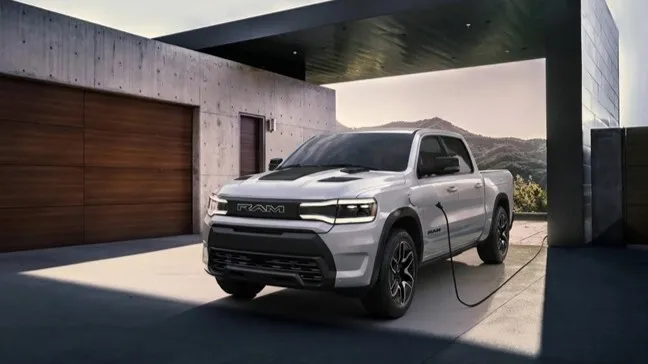
Ram’s original announcements cited targets of up to 145 miles of electric-only driving and up to 690 miles of total range. These were previously announced targets, not EPA-certified ratings. Check whether those numbers still apply to the renamed production REV, and confirm them against EPA data once available on fueleconomy.gov.
EREV fuel economy is hard to summarize with one number. EPA reports electric operation in terms of miles per gallon equivalent (MPGe) and electricity consumption. Gasoline efficiency applies when the engine is running. For that reason, no official MPG figure should be assumed.
Real-world range will vary with:
- Towing: A loaded trailer increases energy use significantly.
- Weather: Cold temperatures reduce battery efficiency, and heating and air conditioning draw additional power.
- Speed: Highway speeds use more energy than city driving.
- Terrain: Hills and grades increase consumption.
- Tires and load: Heavier loads and certain tires affect efficiency.
Electric-only range matters for daily commuting. Total range matters more for highway trips and rural driving. Always compare EPA ratings and real-world tests rather than marketing targets.
Ramcharger Battery Size and Charging Time
Original coverage described a large battery pack, but this article does not state a capacity figure. Verify battery capacity against Ram’s original press kit or the official production specification sheet before citing a number.
- Level 2 AC charging at home: Usually requires a dedicated 240-volt circuit and a charger installed by a licensed electrician. Charging time depends on the charger’s output and the battery’s state of charge.
- Public Level 2 charging: Common at workplaces, shopping centers and hotels.
- DC fast charging: Only if Ram confirms it for the specific production configuration. Charging speed varies by charger, battery temperature and state of charge.
No charging times should be assumed until Ram publishes them. Note that an EREV can keep running on gasoline when its battery is depleted, but regular charging still reduces fuel use and makes electric driving more practical.
Ramcharger Towing Capacity and Payload
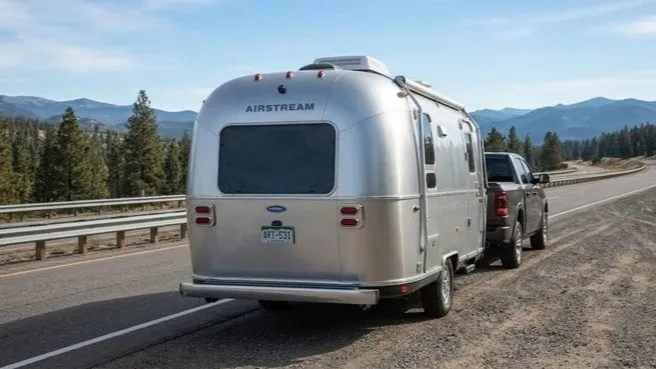
Electric motors deliver strong low-speed torque, which helps with trailer launches. Towing, however, is one of the biggest drains on electric range. A heavy trailer increases energy consumption, and that effect grows on hills, at highway speeds and in wind.
- Compare trailer weight with official ratings. Use Ram’s official towing guide and the door-jamb label for payload.
- Plan charging or fuel stops. Long-distance trailer trips may depend more on gasoline range than electric range.
- Treat concept targets carefully. Original announcements are not final certified towing ratings.
For a direct comparison, use Ram’s official towing and payload charts for each configuration of the gas Ram 1500 and the production REV once published. Do not apply one model’s ratings to another.
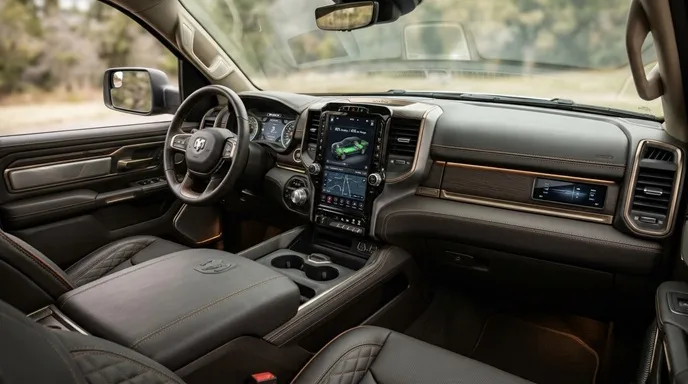
Ramcharger Interior, Technology and Safety Features
Ram has positioned the extended-range REV as a premium full-size pickup. Expect the cabin to emphasize a large display, digital instrumentation, smartphone integration and driver assistance, but confirm the specific equipment for the production model.
- Current Ram 1500 features: Check ramtrucks.com for infotainment, cluster, driver-assistance and towing technology on the gas truck.
- Ram’s announced design direction: Treat cabin concepts from earlier announcements as design intent rather than final equipment.
- Safety ratings: NHTSA and IIHS ratings apply to specific production vehicles. Check nhtsa.gov and iihs.org once the REV is rated.
Premium full-size pickups typically offer rear-seat comfort, cabin storage and towing aids such as trailer-camera or hitch-assist features. Whether the REV includes these items at launch is unconfirmed.
Ramcharger vs. Gas Ram 1500 vs. Ram 1500 REV
| Category | Gas Ram 1500 | Ramcharger / Extended-Range REV | Fully Electric REV Program |
|---|---|---|---|
| Powertrain | Gasoline | Electric drive with gasoline generator | Battery electric |
| Gasoline engine | Yes, drives the wheels | Yes, generates electricity | No |
| Electric traction motors | No | Yes | Yes |
| Plug-in charging | No | Yes | Yes |
| Model status (November 2026) | Available | Renamed; 2027 arrival indicated | Development discontinued |
| Best suited for | Conventional towing and daily use | Electric driving with gas backup | Historical program only |
The extended-range REV may appeal to buyers who want electric propulsion but can’t rely entirely on charging, especially those who tow or drive long distances.
2026 Ramcharger vs. Ford F-150 Lightning
This comparison matters, but model years and availability need careful checking. Ford announced in late 2025 that it would move its Lightning program toward an extended-range version. Verify the current production status of the F-150 Lightning on Ford’s official site before relying on any comparison.
- Electric-only operation: A fully electric truck relies on charging for every trip. An EREV can switch to gasoline generation when needed.
- Charging requirements: A fully electric truck needs more charging planning. An EREV can be charged at home but doesn’t depend on it.
- Long-distance trips: An EREV’s gasoline backup may simplify long drives, while a fully electric truck depends on the charging network.
- Towing: Both lose range while towing. Compare official towing ratings and range data for each specific configuration.
- Daily commuting: Buyers with reliable home charging may find either option convenient.
Neither approach is universally better. The right choice depends on driving patterns, charging access and towing needs.
Ramcharger Home Charging and Ownership Costs
Total cost of ownership depends on local factors, so this article does not provide an annual savings figure. Owners should consider:
- Home Level 2 charger installation: Costs depend on electrical service, panel capacity and labor. Get quotes from licensed electricians.
- Electricity rates: Off-peak rates can lower charging costs, so check your utility’s plans.
- Gasoline expenses: Fuel costs depend on driving habits and local prices.
- Public charging: Convenient but often more expensive than home charging.
- Battery maintenance: Review Ram’s battery warranty and recommended care.
- Generator engine maintenance: Expect routine service for the gasoline engine.
- Tires and brakes: Heavier trucks can wear tires faster, though regenerative braking may reduce brake wear.
- Insurance: Premiums vary by model, location and driver profile.
Total cost depends on electricity prices, gas prices, annual mileage, charging frequency and driving conditions.
Is the Ramcharger Worth Waiting For?
Your answer depends on how you drive.
- Buyers who need a truck now: A conventional gas Ram 1500 is available, and its configurations and pricing can be checked today.
- Buyers interested in the HEMI V8: Check Ram’s official lineup for current engine options before deciding, since the REV uses a different powertrain.
- Heavy towing customers: Wait for official towing ratings for the REV and compare them with the gas Ram 1500’s charts.
- Electric-curious drivers: The REV may suit buyers who want electric driving with gasoline backup.
- Long-distance drivers: The announced range targets are promising, but confirm EPA ratings first.
- Buyers who can wait: Waiting for official production specifications, final pricing, EPA ratings and independent towing tests is the most reliable approach.
Frequently Asked Questions
1. Is the 2026 Ramcharger available?
Not as a confirmed 2026 production vehicle. Ram has indicated a 2027 arrival for the extended-range REV, the Ramcharger’s new name.
2. Is the Ramcharger now called the Ram 1500 REV?
Yes. Stellantis renamed the extended-range model in September 2025.
3. Is the Ramcharger a hybrid or an electric truck?
It is an extended-range electric truck. Electric motors drive the wheels, and a gasoline engine generates electricity.
4. Does the Ramcharger have a gasoline engine?
Yes. Announced plans included a 3.6-liter V6 as a range-extending generator.
5. Can the Ramcharger drive without gasoline?
Yes, under electric operation, as long as the battery has energy. Official range targets are not EPA ratings.
6. How far can the Ramcharger travel on electric power?
Ram’s original announcements cited up to 145 miles. Verify this against production specifications and EPA data.
7. What is the Ramcharger’s total driving range?
Ram’s original announcements cited up to 690 miles combined. This is a previously announced target, not a certified rating.
8. How much does the Ramcharger cost?
Ram has not announced an official production price. Avoid older estimates.
9. Can the Ramcharger tow a trailer?
Towing capability should be confirmed on Ram’s official ratings for the production configuration. Towing reduces electric range significantly.
10. What happened to the fully electric Ram 1500 REV?
Stellantis discontinued development of the separate battery-electric Ram 1500 REV in September 2025 and reassigned the REV name to the extended-range model.
The Ramcharger concept is interesting because it combines electric drive with gasoline range extension. Electric motors offer immediate torque and quiet operation, while the gas engine addresses the biggest practical concern with EVs: running out of charge on a long trip.
The challenges are real. Towing reduces range, the system adds complexity, and Ram has not yet published final pricing or verified production specifications. The model’s delay and renaming also mean buyers should rely on current official information rather than early announcements.
The Ramcharger name still matters because it describes the original idea that Ram introduced, and the Ram 1500 REV is the same extended-range concept under a new name. For gasoline truck buyers, the conventional Ram 1500 remains the practical choice today. For hybrid enthusiasts and EV-curious drivers, the REV could become an important option in 2027, once Ram publishes complete specifications and pricing.
Related Post