
The Chevrolet Cruze nameplate is back — but not in the way many enthusiasts hoped. After global discontinuation by 2024 (following the end of North American sales in 2019 and final production in South America), Chevrolet quietly revived the iconic compact sedan for the 2026 model year exclusively in key Middle Eastern markets. As of May 2026, there is no official 2027 Chevy Cruze announced for the United States, Europe, or most global markets, and no evidence of an all-new ground-up generation.
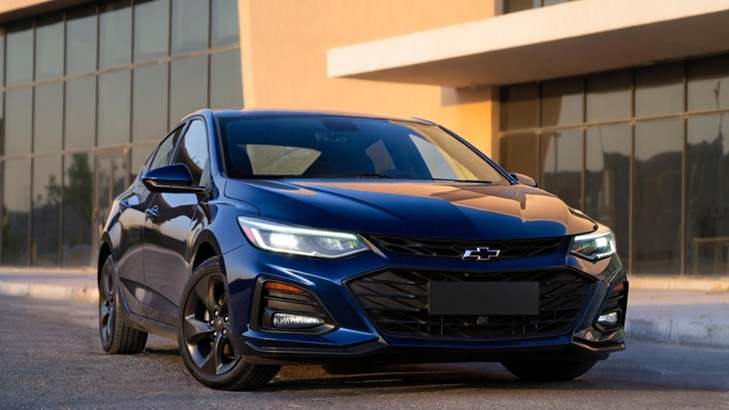
The current model is a rebadged and lightly adapted version of the Chinese-market Chevrolet Monza (built by the SAIC-GM joint venture). It carries the Cruze badge to leverage strong brand recognition in price-sensitive regions where sedans remain popular for daily commuting, families, and fleets. For the 2027 model year, expect a carryover with possible minor refreshes rather than radical changes.
The most comprehensive, original analysis available — going beyond basic specs to explore strategic context, why certain features like hybrid powertrains or AWD are absent, regional market dynamics, and realistic upgrade paths. We draw from official GM statements, dealer information, platform details, and forward-looking industry reasoning.
Exterior Design- Fresh Face
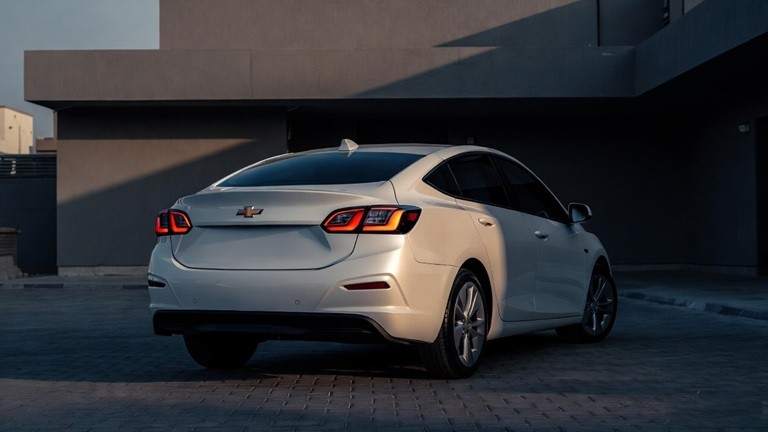
The 2027 Chevy Cruze adopts the current Monza’s contemporary compact sedan silhouette with Chevrolet-specific tuning for Middle Eastern tastes. Key exterior elements include:
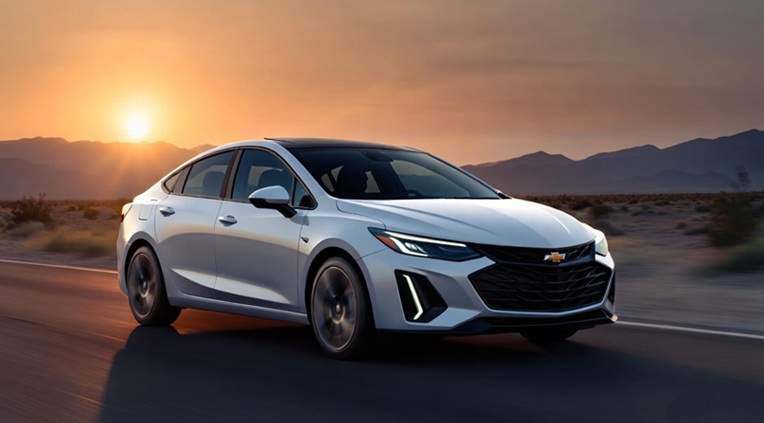
- A bold black honeycomb split grille that gives a sportier, more premium front-end presence than older Cruze generations.
- Signature LED headlights with distinctive daytime running light signatures.
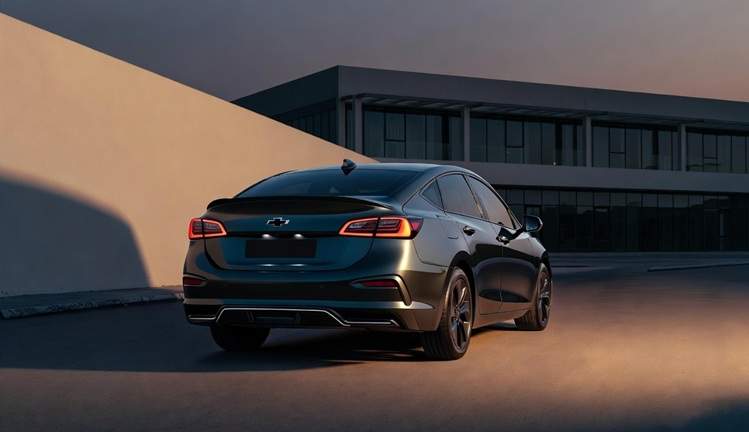
- LED dual-element taillights and a sporty rear spoiler for a lifted, dynamic stance.
- 16-inch aluminum alloy wheels (standard across trims).
- Approximately 4,656 mm long, 1,798 mm wide, 1,465 mm tall, with a 2,640 mm wheelbase. This provides a planted, efficient profile optimized for city streets and highway cruising in hot climates.
Aerodynamics receive attention through smooth body surfacing and subtle underbody treatments, contributing to respectable fuel efficiency. The design avoids flashy aggression, instead projecting approachable confidence — ideal for markets where reliability and low running costs matter more than overt sportiness.
Unlike the previous global Cruze (which had more European-influenced styling in later years), this version leans into a cleaner, more “premium economy” aesthetic that aligns with current Chinese domestic design trends while wearing the Bowtie badge. It differentiates from the sea of lookalike Korean and Japanese compacts without alienating traditional Chevy buyers.
No major exterior overhaul is expected for 2027. Possible updates could include new wheel designs, additional color options (metallic and pearl finishes perform well in desert sun), or subtle grille/trim tweaks.
Interior, Technology & Comfort
Step inside 2027 Chevy Cruze and the biggest surprise is the dual 10.25-inch screens — a digital instrument cluster paired with a central infotainment touchscreen. This setup is genuinely class-competitive at the price point and represents a significant step up from older Cruze models.
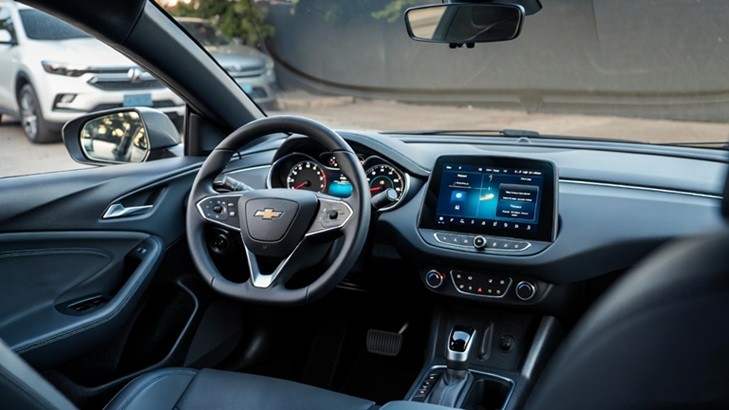
Standard tech features:
- Apple CarPlay and Android Auto (wired or wireless depending on configuration)
- Six-speaker audio system
- Modern climate controls and a clean, driver-focused layout
LT trim upgrades (higher of the two trims — LS and LT):
- Premium leatherette upholstery (notable “Captain Blue” option in some markets)
- Flat-bottom leather-wrapped steering wheel
- Sunroof
- Keyless start
- Heated power-adjustable exterior mirrors
- Six-way manual driver’s seat adjustment
- Enhanced comfort touches
Cargo space stands at approximately 405 liters — practical for a compact sedan and competitive with rivals. The cabin feels spacious for four adults thanks to the wheelbase, with decent rear legroom and headroom for the class.
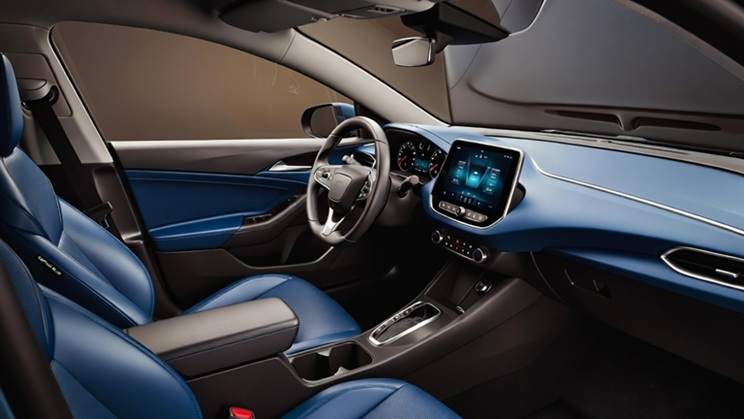
At roughly $11,500–$15,800 USD (depending on market and exchange rates — e.g., ~SAR 59,250 starting in Saudi Arabia), the dual-screen layout and leatherette options deliver perceived value that punches above the powertrain’s modest specs. This tech-forward approach helps Chevy compete on features rather than just price against base Corollas or Elantras. Build quality benefits from SAIC-GM’s experience producing high-volume domestic models.
For 2027 Chevy Cruze, expect possible software refinements to the infotainment (faster boot times, better voice recognition) or the addition of wireless charging and more USB-C ports. A fully digital experience is already here — a notable upgrade path from the analog-heavy previous-generation Cruze.
Powertrain & Performance
The 2027 Chevy Cruze uses a single powertrain:
- 1.5-liter naturally aspirated inline-4 (Ecotec family, L3A variant in related Monza applications)
- 113 horsepower (83 kW) at 6,000 rpm
- 141 Nm (104 lb-ft) of torque at ~4,400 rpm
- 6-speed dual-clutch automatic transmission (DCT)
- Front-wheel drive only
Fuel economy claims hover around 5.9 L/100 km (roughly 40 US mpg) under WLTC testing in related models — respectable for a non-hybrid compact sedan, especially in stop-and-go Middle Eastern traffic and hot conditions.
This engine is deliberately simple: no turbocharger, no hybrid assist, no complex emissions hardware beyond what’s needed for regional standards. It prioritizes low purchase price, easy maintenance, and proven durability in markets where fuel quality and service networks vary.
Why no hybrid powertrain (yet)?
GM has invested heavily in hybrid and PHEV technology for trucks and larger vehicles (e.g., upcoming Silverado updates). For this entry-level export model, adding hybrid hardware would increase cost, complexity, and weight — potentially pricing it out of its core value segment. The current 1.5L + DCT combo already delivers strong efficiency for the class without the premium. A mild-hybrid or full hybrid version could appear in later years (2028+) if regional regulations tighten or if GM wants to differentiate further, but nothing is confirmed.
Performance is adequate rather than exciting: 0-60 mph in the low 12-second range (estimated). It excels at relaxed cruising and daily commuting rather than spirited driving. The DCT provides smooth shifts in normal conditions.
This powertrain choice reflects smart market segmentation. In the Middle East, where many buyers prioritize total cost of ownership over outright performance or electrification badges, the naturally aspirated 1.5L offers peace of mind. It avoids the higher servicing costs sometimes associated with turbos or early hybrid systems in harsh climates.
AWD Features: Not Available
There is no all-wheel-drive option on the expected 2027 Chevy Cruze. It remains strictly front-wheel drive.
Why no AWD?
- Cost: AWD adds significant expense (transfer case, rear differential, extra driveshafts, calibration) that would push pricing out of the ultra-competitive entry-level bracket.
- Market demand: In the target Middle Eastern countries, FWD compact sedans dominate this price segment. Sand, heat, and mostly paved roads reduce the need for AWD compared to SUVs or crossovers.
- Efficiency & simplicity: AWD would hurt fuel economy and increase maintenance — contrary to the model’s value proposition.
- Platform limitations: The underlying GM-PATAC K platform (or Monza architecture) is optimized for FWD efficiency.
If 2027 Chevy Cruze ever expands the nameplate into a crossover or offers a higher trim in other markets, AWD could enter the conversation — but not for the core 2027 model.
2027 Chevy Cruze Specs
| Category | Specification | Notes |
|---|---|---|
| Body Style | 4-door compact sedan | 5-seater |
| Platform | GM-PATAC K (Monza-based) | Rebadged Chinese-market model |
| Production Location | China (SAIC-GM joint venture) | Exported to Middle East |
| Engine | 1.5L Naturally Aspirated Inline-4 (Ecotec) | No turbo |
| Horsepower | 113 hp (83 kW) @ 6,000 rpm | – |
| Torque | 141 Nm (104 lb-ft) @ 4,400 rpm | – |
| Transmission | 6-speed Dual-Clutch Automatic (DCT) | Smooth shifting |
| Drivetrain | Front-Wheel Drive (FWD) | No AWD available |
| Fuel Type | Gasoline (Regular) | Optimized for regional conditions |
| Fuel Economy (Claimed) | ~5.9 L/100 km (WLTC) | Real-world ~6.5–7.5 L/100 km expected |
| Wheelbase | 2,640 mm | Good rear legroom |
| Trunk Capacity | 405 liters | Practical for class |
| Wheels & Tires | 16-inch Alloy Wheels | Standard across trims |
| Suspension | MacPherson Strut (Front) / Torsion Beam or Multi-link (Rear) | Comfort-oriented tuning |
| Brakes | Front Disc / Rear Disc | Standard |
Market Position, Rivals
The revived Cruze slots into the affordable compact sedan segment in the Middle East (Saudi Arabia, Kuwait, Qatar, Oman, Jordan, Lebanon, Iraq, Bahrain — notably excluding the UAE for now). Pricing undercuts or matches base versions of key rivals while offering more modern standard tech in many cases.
Primary rivals:
- Toyota Corolla — More expensive, especially hybrid variants; legendary reliability and resale, but higher entry price.
- Honda Civic / City — Sportier dynamics in Civic; City closer in size/price.
- Hyundai Elantra / Accent and Kia equivalents — Feature-packed and warrantied well; Cruze competes directly on value.
- Mazda3, VW Jetta — More premium feel but higher cost.
- Chinese-brand alternatives (increasingly common) — The Cruze benefits from established Chevy dealer networks and brand trust.
GM is using an existing high-volume Chinese platform to re-enter sedan segments in markets that still value traditional sedans over the crossover wave dominating North America. It reclaims shelf space against Japanese/Korean dominance without the heavy investment of a clean-sheet design. The dual-screen tech and competitive pricing create a “smart value” story that pure price leaders or feature-stripped base models can’t match. Fleet sales (taxis, corporate) could be a quiet strength given durability focus and parts commonality with other GM products.
In the broader Chevrolet portfolio, this model fills a gap left by the Trax and Equinox crossovers in the US — proving GM can still play in affordable ICE sedans where demand persists regionally.
Technology & Features
| Category | Specification | Availability |
|---|---|---|
| Infotainment | Dual 10.25-inch Screens (Digital Cluster + Touchscreen) | Standard (LS & LT) |
| Smartphone Integration | Apple CarPlay & Android Auto | Standard |
| Audio | 6-speaker system | Standard |
| Connectivity | USB ports, Bluetooth | Standard |
| Keyless Entry & Start | Yes | LT trim |
| Sunroof | Panoramic / Sliding | LT trim |
| Seats | Leatherette upholstery | LT trim (LS = cloth) |
| Driver Seat Adjustment | 6-way manual | LT trim |
| Steering Wheel | Flat-bottom, leather-wrapped | LT trim |
| Climate Control | Automatic | Standard |
| Rear Camera | Yes | Standard |
| Parking Sensors | Rear | Higher trims |
Potential 2027 Upgrades
For the 2027 model year, anticipate evolutionary rather than revolutionary changes:
- Expanded color palette and wheel options
- Minor interior material or trim enhancements
- Possible addition of more advanced driver assistance features (basic adaptive cruise or lane guidance if not already present)
- Infotainment software updates and connectivity improvements
- Refinements to NVH (noise, vibration, harshness) or calibration for regional fuel
Longer term (2028+), a mild-hybrid version or even a more efficient powertrain becomes plausible as GM expands electrification strategies globally. A true next-generation Cruze or EV variant remains speculative and unlikely in the near term for these markets.
It demonstrates GM’s pragmatic, market-by-market approach rather than a one-size-fits-all global strategy. The Cruze name still carries positive equity in many regions; reviving it via smart rebadging preserves brand presence cost-effectively.
The 2027 Chevy Cruze won’t set the automotive world on fire with groundbreaking hybrid tech or AWD capability. Instead, it offers a thoughtfully executed, feature-rich compact sedan at an aggressive price point for specific high-potential markets. Its strength lies in the combination of modern dual-screen technology, proven reliable powertrain, strong value, and strategic use of existing production.
For buyers in the Middle East, it represents one of the most compelling new entries in years — modern enough to feel fresh, affordable enough to make financial sense, and backed by Chevrolet’s brand and service network.
Related Post