
The Chevrolet Blazer is entering one of the most interesting chapters in its modern history. After years of steady but unspectacular sales and rumors of discontinuation, GM has reversed course. Production of the gas-powered Blazer is shifting to the Spring Hill, Tennessee plant starting in the first half of 2027. This move coincides with a significant refresh that spy photographers have already captured in testing.
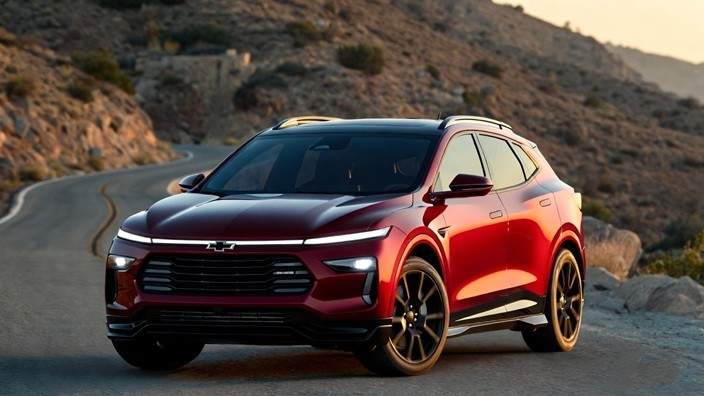
While official details for a strict “2027 model year” ICE Blazer remain limited (most indications point to a carryover or very minor update year as GM transitions production), the real story emerging is a thorough mid-cycle refresh badged for 2028 that brings meaningful changes to design, interior technology, driver assistance, and possibly powertrain components. The Blazer EV, meanwhile, receives a concrete and welcome 2027 update with native NACS charging.
Exterior Design: Sharper Premium Presence
The current-generation Blazer stands out in the midsize crossover segment for its sporty, almost coupe-like proportions and Camaro-inspired cues — a bold grille, sleek LED lighting, and a dynamic stance that many family crossovers lack.
2027 chevy blazer expect the exterior to carry over largely unchanged on the ICE model, with possible new color options and minor package tweaks (similar to how Chevy handles transition years). The bigger visual story arrives with the refreshed model entering production in 2027.
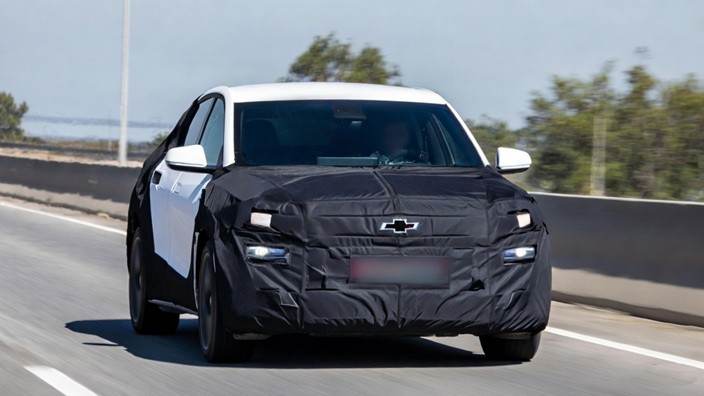
Spy photos of camouflaged prototypes show a significant front- and rear-fascia update while the bodysides and overall architecture carry over. Key visible or inferred changes include:
- New front lighting architecture: Thinner LED headlights with prominent signature daytime running lights positioned higher, and actual headlamps lower in the fascia. This creates a more modern, wider, and technically sophisticated face.
- Revised rear: Thinner taillamps and updated rear fascia. Early prototypes showed prominent exhaust tips that will almost certainly be toned down or integrated more elegantly in production.
- Sportier details preserved and enhanced: The signature kick-up in the rearmost side glass and the option for two-tone roofs (white or black) appear to continue or expand, reinforcing the Blazer’s athletic personality.
- Wheel and trim evolution: Higher trims like RS will likely continue offering 20- and 21-inch wheels with new finishes. Blacked-out accents and RS-specific badging should remain strong differentiators.
This is not a full redesign but a smart, cost-effective refresh that keeps the Blazer’s distinctive “performance crossover” identity while moving it closer to the more premium, tech-forward aesthetic of newer GM products (think recent Traverse or Cadillac XT5 influences). In a segment flooded with safe, blob-like designs, the refreshed Blazer should continue standing out as the stylish choice for buyers who want an SUV that doesn’t look like every other minivan alternative.
Powertrain: Expected Updates
- 2.0L turbocharged inline-4: 228 horsepower and 258 lb-ft of torque. Available with FWD or AWD. Strong low-end pull and respectable efficiency.
- 3.6L V6: 308 horsepower and 270 lb-ft of torque. Typically paired with AWD. Delivers effortless passing power and the segment’s better towing capability.
Both pair with GM’s 9-speed automatic. Towing reaches up to 4,500 lbs when properly equipped with the V6 and Trailering Package. Fuel economy hovers in the low-to-mid 20s combined depending on configuration (roughly 22/29 mpg city/highway for the turbo-4 FWD; lower for V6/AWD).
Expect the same basic architecture initially, with possible calibration tweaks for efficiency or emissions. Spy photos and reporting suggest the refreshed model could adopt updated GM engines seen elsewhere (potentially a more modern turbo-four or revisions to the V6 family). The V6 may eventually be phased or de-emphasized in favor of a stronger turbo-four to meet tightening regulations while preserving performance.
Hybrid powertrain? As of now, no hybrid version of the Blazer has been confirmed or announced. GM has been rolling out hybrids and plug-ins in other nameplates, but the Blazer’s electrification path has been the dedicated Blazer EV. A mild-hybrid or full hybrid could appear later in the refreshed model’s lifecycle to improve CAFE compliance and appeal to efficiency-focused buyers, but nothing is official yet. Watch for updates as GM expands its multi-energy strategy.
Keeping a strong ICE (and potentially future hybrid) Blazer alongside the Blazer EV gives Chevrolet a rare “both paths” offering in the midsize space. Many rivals are forcing buyers into hybrids or EVs prematurely. The Blazer refresh keeps a pure gasoline performance option alive for buyers who tow, drive long distances, or simply prefer traditional power.
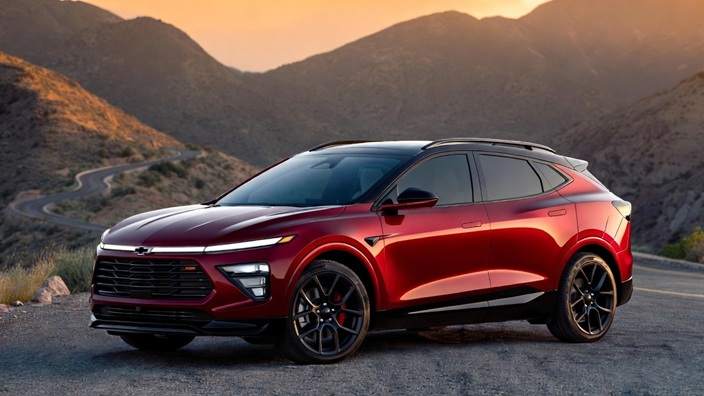
AWD Features and Real-World Capability
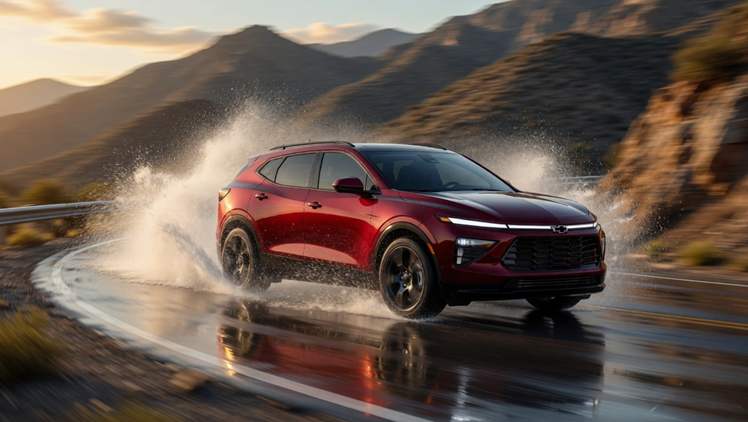
The Blazer’s available Advanced Twin-Clutch AWD (especially prominent on RS models) is one of its under-appreciated strengths. Unlike basic on-demand systems, the twin-clutch setup can actively distribute torque between the rear wheels for better traction, cornering stability, and all-weather confidence.
In snow, rain, or light gravel, it provides composed handling without the fuel-economy penalty of permanent 4WD systems. It pairs well with the available Terrain Mode or drive-mode selectors on higher trims. Ground clearance and approach angles are typical for a unibody crossover — adequate for fire roads, beach access, or snowy driveways, but not a serious off-roader like a Bronco or Wrangler.
For 2027 chevy blazer refresh models, expect the AWD hardware to carry over with possible electronic calibration improvements tied to the new driver-assistance suite. The combination of strong V6 torque and sophisticated AWD remains a compelling formula for families who occasionally venture beyond pavement.
Interior, Comfort & Technology
Current Blazer interiors are functional and sporty, with supportive seats, a driver-focused layout, available leather, heated/ventilated front seats on upper trims, dual-zone climate, and a 10.2-inch touchscreen with wireless Apple CarPlay and Android Auto.
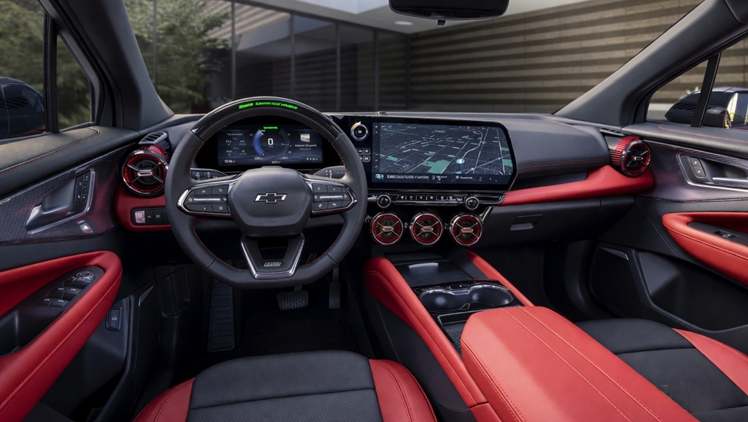
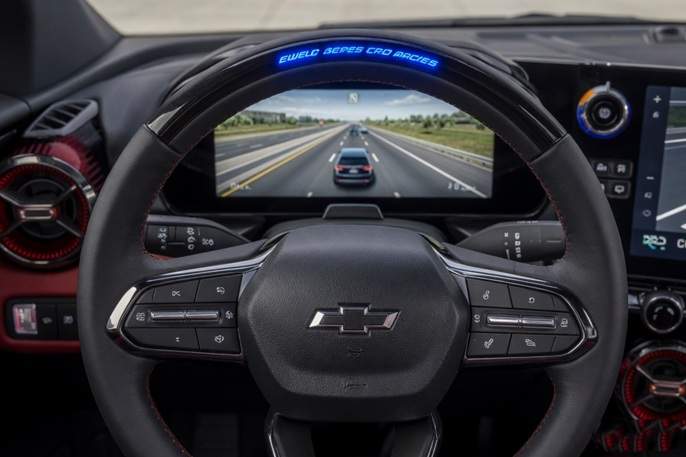
The 2027 chevy blazer refresh brings the most transformative changes here. Spy photos and reporting indicate an all-new cabin with:
- Larger, more modern digital displays (likely a significantly bigger central touchscreen and fully digital instrument cluster, echoing the Blazer EV and newer Traverse).
- Higher-quality materials and a more premium ambiance.
- Super Cruise hands-free driver assistance becoming available (the steering wheel indicator visible on prototypes strongly suggests this). This is GM’s industry-leading Level 2+ system that can handle highway driving with minimal driver input (eyes on road required).
This interior overhaul, combined with Super Cruise, positions the refreshed Blazer as a legitimate step toward near-luxury capability at mainstream prices. In a segment where many competitors still offer small screens or dated interfaces, a large digital cockpit + hands-free highway driving could be a major differentiator — especially for road-tripping families or commuters on long expressways.
Cargo space (up to ~64 cu ft behind front seats) and passenger room should remain competitive. Sliding second-row seats and a power liftgate (higher trims) add everyday versatility.
2027 Chevy Blazer Specs
| Category | Specification | Details / Notes |
|---|---|---|
| Powertrains | 2.0L Turbocharged I4 | 228 hp / 258 lb-ft torque |
| 3.6L V6 | 308 hp / 270 lb-ft torque | |
| Transmission | 9-Speed Automatic | Standard on all models |
| Drivetrain | Front-Wheel Drive (FWD) | Standard on most trims |
| Advanced Twin-Clutch All-Wheel Drive (AWD) | Available / standard on higher trims (especially RS) | |
| Fuel Economy (Est.) | 2.0L Turbo I4 FWD | 22 city / 29 hwy mpg |
| 2.0L Turbo I4 AWD | 22 city / 27 hwy mpg | |
| 3.6L V6 AWD | 18–19 city / 25–26 hwy mpg | |
| Towing Capacity | Max (properly equipped) | Up to 4,500 lbs (V6 + Trailering Package) |
| 2.0L Turbo models | Up to 3,250 lbs | |
| Trims | Available | 2LT, 3LT, RS |
| Starting Price (Est.) | Base (2LT FWD) | ~$34,300 – $36,500 |
| Top (RS AWD) | ~$45,000 – $48,500 |
2027 Chevy Blazer EV Specs
| Category | Specification | Details |
|---|---|---|
| Powertrains | Single Motor (LT FWD) | ~220 hp / 243 lb-ft |
| Dual Motor (RS AWD) | ~300 hp / 355 lb-ft | |
| Dual Motor (SS AWD) | 615 hp / 650 lb-ft | |
| Battery | LT & RS | 85 kWh |
| SS | 102 kWh | |
| EPA-Est. Range | LT FWD | Up to 312 miles |
| RS AWD | Up to 283 miles | |
| SS | Up to 303 miles | |
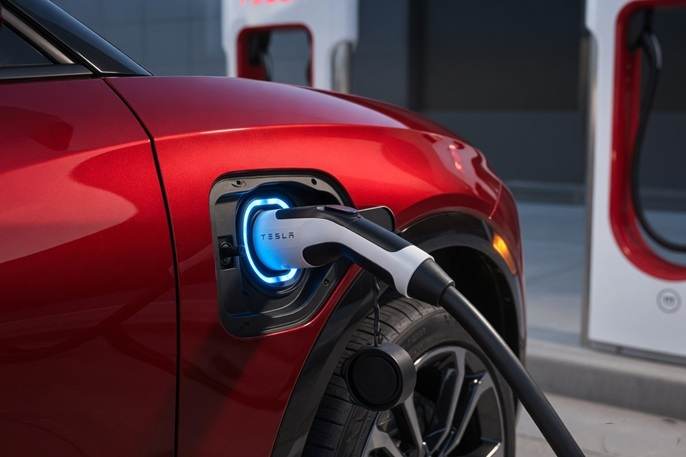
| Charging (2027 Update) | Native NACS port | New for 2027 – Direct Tesla Supercharger access (no adapter needed) |
| DC Fast Charging (LT/RS) | Up to 150 kW | |
| DC Fast Charging (SS) | Up to ~190 kW | |
| Performance | 0–60 mph (SS) | As quick as ~3.3–3.5 seconds (GM-estimated) |
| Seating | Capacity | 5 passengers |
| Trims | Available | LT, RS, SS |
| Starting Price (Est.) | LT | ~$47,000+ |
| SS | ~$60,000+ |
Market Position, Rivals & Strategic Upgrades
The midsize two-row crossover segment is brutally competitive. The Blazer’s core strengths have always been style, available V6 power, and value. Its weaknesses have been slightly less cargo space than some boxier rivals, tech that lagged behind Korean competitors, and sales that never quite matched the Traverse or Equinox.
- Kia Telluride / Hyundai Palisade — Best-in-class features, warranty, and refinement.
- Honda Pilot — Reliable, spacious, strong resale.
- Toyota Highlander (especially hybrid) — Efficiency king.
- Ford Edge / Explorer — More performance-oriented or three-row options.
- Newer entries with strong tech and hybrid powertrains.
The 2027 chevy blazer directly addresses several of these gaps: modern interior tech, Super Cruise, updated styling, and U.S. production (which carries marketing and potential tariff advantages). Pricing will likely start in the mid-$30,000s and climb into the mid-$40,000s for loaded RS models, keeping it competitive.
Moving production to Spring Hill alongside Cadillac models signals GM’s commitment to keeping a desirable ICE midsize crossover alive in the U.S. market for years to come. It hedges against slower-than-expected EV adoption while giving dealers a strong gas/hybrid-adjacent product.
Blazer EV 2027 Updates
For buyers considering the electric side of the family, the 2027 chevy blazer EV brings one of the most requested improvements: native NACS (Tesla-style) charge port. No more adapter needed for Superchargers. Some color adjustments (new options added, others discontinued) round out the changes. Powertrains and range figures carry over (up to ~615 hp in SS trim with strong real-world performance).
Is the 2027 Chevy Blazer Worth Waiting For?
If you need a vehicle right now, the current Blazer (especially a 2LT or RS with the V6 and AWD) remains a stylish, capable, and fun-to-drive choice that undercuts many rivals on personality.
If you can wait, the refreshed model entering production in 2027 (likely as a 2028 model year vehicle) promises the most meaningful upgrades the nameplate has seen since its 2019 rebirth — particularly in interior technology, driver assistance, and overall polish.
The combination of sporty DNA, strong powertrain options (with potential future hybrid evolution), advanced AWD, and a dramatically improved cabin positions the next Blazer as a serious contender once again.
The 2027 Chevy Blazer represents both an end of an era (final days of the current generation) and the beginning of a more competitive chapter. GM’s decision to invest in U.S. production and a thorough refresh shows confidence that the Blazer still has a vital role to play in a market that values choice — gasoline performance today, with a clear path toward more efficient powertrains tomorrow.
Related Post