
Subaru has built its reputation around all-wheel-drive capability, but what happens when you add a high-voltage hybrid battery to the equation? For many shoppers, that question is the deciding factor. Subaru hybrid SUVs promise better fuel economy than comparable gasoline models, standard Symmetrical All-Wheel Drive on the featured models, and electric-motor assistance during everyday driving. The appeal is real, but so is the uncertainty about the battery that makes the hybrid work.
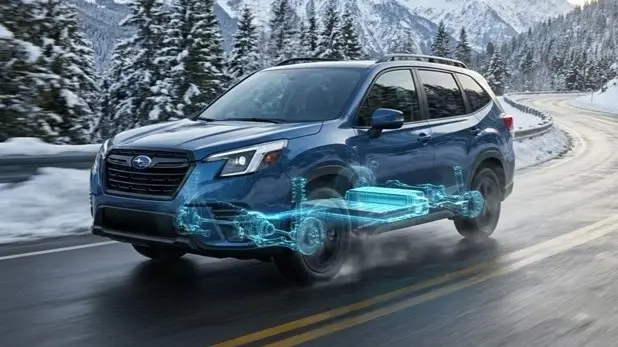
This guide examines how long a Subaru hybrid battery can realistically last in the 2026–2027 model years, what the warranty does and does not cover, what replacement may cost, and how cold weather and snow affect the system. It also compares Subaru’s AWD approach with Toyota’s hybrid AWD systems and reviews the hybrid SUVs Subaru offers. Where a claim lacks official support, I say so.
Hybrid batteries rarely fail the way people fear, but they do age. This guide explains what actually wears them out (heat, state-of-charge habits, battery management, driving pattern), It includes calculators you can use with your own numbers.
How to Read This Page
There is no published long-term degradation dataset for 2026-2027 Subaru hybrids yet, so every claim is labeled.
General battery science and industry practice that applies to lithium-ion and nickel-metal-hydride hybrid packs.
Model-specific facts (warranty, capacity, cooling layout, prices). Confirm in Subaru’s documents.
Illustrative ranges and the calculator model. Not Subaru data.
Quick Answer: How Long Does It Last?
For a conventional (non-plug-in) hybrid, the pack usually outlasts most owners’ ownership period if it is kept cool and the car is serviced.
Why hybrids last longer than EVs per cell
- The BMS keeps the pack in a narrow middle state-of-charge window, so cells see less stress Established
- Many small, shallow charge and discharge pulses cause less wear than deep cycles Established
- The engine is always available as a backup, so reduced capacity is less noticeable Established
What can still shorten it
- Repeated high heat, such as hot climates or poor cooling Established
- Weak cells or imbalance, which often matter more than average capacity Established
- Neglected 12V battery, cooling airflow or software updates Established
Subaru Hybrid Context for 2026–2027
Which vehicles this guide applies to, and what is and isn’t known.
| Vehicle | Type | Battery-life relevance | Status |
|---|---|---|---|
| 2026 Forester Hybrid | Self-charging hybrid (no plug) | Main current Subaru hybrid. Mid-window SoC operation applies. Pack capacity and cooling details: check Subaru’s documents. | Verify |
| Crosstrek Hybrid (2019–2021) | Plug-in hybrid | Older plug-in model. Charging habits (full charges, heat while parked) matter much more here. | Established |
| Solterra | Battery-electric | Not a hybrid. EV battery rules differ (deeper cycling, DC fast charging). | Established |
| 2027 Subaru hybrids | Unannounced | No confirmed 2027 battery spec. Treat any “2027 hybrid battery” figure as speculation. | Estimate |
Technical Factors Affecting Battery Life
Four forces decide how quickly a pack loses capacity and power.
Relative Impact on Battery Aging (editorial estimate)
Estimate These weights are illustrative rankings from general battery science, not measured Subaru data.
1. Thermal Management Established
- Lithium-ion cells age fastest above roughly 35–40 °C (95–105 °F). Cooling quality is critical.
- Packs use air cooling, liquid cooling or a refrigerant-assisted loop. Verify which design your Subaru uses.
- Blocked vents, failed fans or low coolant reduce heat removal and speed up wear.
- Very cold weather doesn’t usually kill cells but limits power until the pack warms up.
2. Battery Management System (BMS) Established
- Measures cell voltage, temperature and current, and balances cells.
- Limits charge and discharge power to protect the cells.
- Estimates SoC and SoH. Imperfect estimates can make a healthy pack seem weak, or the reverse.
- Software updates sometimes improve balancing and estimation.
3. Driving Patterns Established
- Smooth driving means gentler current spikes and less heat.
- Hard acceleration, repeated steep climbs and towing push high current through the pack.
- Frequent short trips may keep the car in warm-up modes and stress the 12V system.
- Long idle periods in heat add calendar aging.
4. Environmental Conditions Established
- Hot, sunny regions (Arizona, Texas, Florida, the Gulf Coast) are hardest on packs.
- Parking in sun raises cabin and pack temperature, especially for air-cooled designs.
- Cold regions: reduced winter mpg and power, but usually slower long-term capacity loss than heat.
- Dust, pet hair and debris can clog intake vents.
Why Heat Matters So Much (illustrative aging rate by average pack temperature)
Estimate The multipliers are simplified from the general rule that chemical aging roughly doubles for every 10 °C rise. Real cells vary.
Maintenance & Care
Little of this costs money. Most of it is attention.
Cooling System Upkeep Established
- Check your owner’s manual for the battery cooling method and any intake vent or filter location.
- Keep vents clear of bags, pet hair, spills and cargo.
- Clean or replace any battery-cooling filter on schedule, if your model has one. Verify
- Follow the coolant service interval, including any hybrid-system coolant loop.
- Listen for a loud or constantly running battery fan.
Avoid Extreme State of Charge Established
- Non-plug-in hybrid: the BMS handles this. You can’t set limits, so don’t try workarounds.
- Plug-in hybrid: avoid leaving the pack at 100% in heat for days. Use scheduled charging or a charge limit if the car offers one.
- For long storage, leave a moderate charge and keep the 12V battery maintained.
- Don’t repeatedly run a plug-in pack down to zero.
Regular BMS Diagnostics Established
- Ask the dealer to scan hybrid-system codes and check software updates at routine service.
- Request a battery-health report before your warranty ends.
- Have an independent hybrid specialist check cell-group balance if mpg falls or warnings appear.
- Keep scan reports. They help in warranty claims and resale.
Driving Habits Established
- Accelerate smoothly and anticipate stops, so regenerative braking recovers more energy.
- Avoid prolonged full-throttle climbs and heavy towing beyond the rating.
- Park in shade or a garage in hot climates.
- Take an occasional longer drive so the system fully cycles and warms up.
Suggested Care Timeline
How Much Each Habit Helps (editorial estimate)
Warranty & Replacement
Know what is covered before you need to use it.
Typical Coverage
| Coverage | Typical term | Notes |
|---|---|---|
| Hybrid battery, most U.S. states | 8 years / 100,000 miles | Common industry baseline. Verify in Subaru’s 2026 warranty booklet. |
| Hybrid battery, California and other CARB states | 10 years / 150,000 miles | Longer coverage applies where California emissions rules are adopted. Verify |
| Capacity-loss guarantee | Often not specified for hybrids | Many hybrid warranties cover failure, not a percentage of capacity loss. Read the exact wording. Verify |
| Used or transferred vehicle | Usually remains with the vehicle | Check whether coverage transfers to second owners. |
| Maintenance records | May be required for a claim | Keep service receipts and scan reports. |
Replacement Cost Ranges (illustrative, installed)
End-of-Life: What It Actually Means
Capacity end-of-life
- Often defined as 70–80% of original capacity Established
- The car can still drive normally. Range and assist lessen.
Functional end-of-life
- Weak cell group, high internal resistance or imbalance
- Triggers warning lights and reduced power
Economic end-of-life
- Repair cost exceeds a sensible share of vehicle value
- Use the decision tool below
Spent hybrid packs are usually recycled or reused for stationary storage by the manufacturer or certified recyclers, so ask the shop how the old pack is handled.
Monitoring & Diagnostics
Catch problems early, ideally while the warranty still applies.
SoH Tracking Methods
| Method | What you get | Accuracy | Cost |
|---|---|---|---|
| Dealer hybrid-battery evaluation | Official scan, cell-group voltage and balance, pass/fail result | High | Often free or low during warranty, otherwise a diagnostic fee |
| Independent hybrid specialist | Detailed cell-block data, load test, balancing advice | High | ≈ $100–$300 Estimate |
| OBD-II dongle plus app | Live voltages and temperatures. Compatibility with Subaru hybrids isn’t guaranteed. | Medium | ≈ $20–$100 Estimate |
| Own tracking (mpg, EV-assist behavior) | Trend over time, not an exact SoH | Low | Free |
For plug-in hybrids, record the full-charge electric range at the same temperature each season. A slow decline is normal. A sudden drop is a reason to get tested.
Signs of Degradation
Early signs
- Gradual mpg drop of 10–15% with no other cause
- Engine runs more often at low speeds or while stopped
- Battery gauge swings faster than before
- Cooling fan louder or running more often
Serious signs
- Hybrid-system or check-engine warning lights
- Noticeable loss of power or no electric assist
- Frequent system restarts or limp mode
- Failed emissions or inspection codes
Try the symptom checker and the SoH projection tool below. They give a rough guide only, so a diagnostic scan is what settles the question.
Battery Health (SoH) Projection Calculator
An illustrative model that turns your age, mileage, climate and habits into an estimated SoH curve with an optimistic-to-conservative band.
Estimate Model: base ≈ 0.9% fade per year plus ≈ 0.4% per 10,000 miles, scaled by your multipliers, with faster fade after 20% loss. The band shows optimistic (×0.75) and conservative (×1.35) cases. It is not Subaru data and cannot replace a real battery scan.
Replacement Decision Tool
Is replacing or repairing the pack worth it for your car?
Rule of thumb: under ~25% of value is usually worth fixing, 25–50% depends on condition and plans, and over 50% deserves a hard look at selling or a cheaper used or refurbished pack. Always get a second quote.
Symptom Checker
Tick anything you’ve noticed. This is a rough risk indicator, not a diagnosis.
Frequently Asked Questions
How long does a Subaru hybrid battery last?
Will the battery fail suddenly?
Does the hybrid battery warranty cover capacity loss?
Should I keep a hybrid battery at a certain charge level?
How much does replacement cost?
Is a used Subaru hybrid risky?
Will 2027 Subaru hybrids have better batteries?
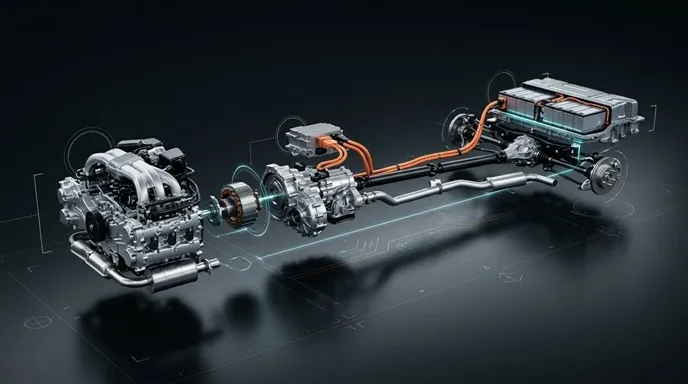
How Long Does a Subaru Hybrid Battery Really Last?
No manufacturer can promise a specific lifespan for a hybrid battery, and Subaru does not publish one. What it publishes is a warranty, which is a promise to repair or replace covered parts that fail within defined limits. Those are different things. A warranty tells you what the manufacturer will pay for if something goes wrong during the coverage period. It does not tell you when the battery will wear out.
What Affects Lithium-Ion Battery Life
Hybrid batteries are usually lithium-ion packs. Over time, every lithium-ion battery loses some capacity, a process called degradation. Several factors speed or slow that process:
- Temperature: Sustained high heat is the most damaging factor for lithium-ion chemistry. Extreme cold reduces output temporarily, but its long-term effect is generally smaller than heat exposure.
- State of charge: Hybrid systems typically keep the battery within a middle range of charge, which is generally gentler on the cells than running them near full or empty.
- Cycle count: Each charge and discharge cycle adds some wear. Hybrids cycle more often than gasoline cars cycle anything, but their cycles are shallow.
- Calendar age: Batteries age even when parked. Time, temperature, and state of charge all contribute.
- Thermal management: Most hybrid packs use a cooling system, often with air ducts or fans, to keep cells within a safe range. Blocked intakes or failed cooling components can accelerate wear.
Mileage Versus Calendar Age
A hybrid battery that has covered 100,000 miles over eight years has experienced different conditions than one that has covered the same distance in three years. Heat exposure, frequency of use, and the number of cycles matter as much as the odometer reading. A low-mileage vehicle parked in a hot garage for years may age differently than a high-mileage vehicle driven daily in a moderate climate.
This is why a hybrid does not automatically need replacement at 100,000 miles. Many hybrid batteries are designed to keep operating well beyond that point, and the usable life depends on how the battery’s health actually changes over time. The vehicle’s battery monitoring system tracks health, and a qualified technician can test it.
Driving Habits and Inactivity
Repeated short trips can limit how fully the system warms up, which affects battery temperature management and fuel economy. Long periods of inactivity can also leave the battery at a charge level or temperature that the manufacturer’s maintenance guidance addresses. Check the owner’s manual for guidance on extended parking, and follow it.
| Battery ownership factor | Possible effect |
|---|---|
| Extreme heat | Can accelerate battery aging |
| Very cold temperatures | Can temporarily reduce performance and efficiency |
| Regular driving | Helps the vehicle operate within its designed conditions |
| Battery cooling system maintenance | Helps preserve proper thermal management |
| High mileage | Increases total battery operating cycles |
| Long-term inactivity | Can create additional maintenance considerations |
No Subaru-specific data I could verify supports a claim that a particular hybrid battery will last 10, 15, or 20 years. Anyone making that claim without Subaru or independent test data is guessing.
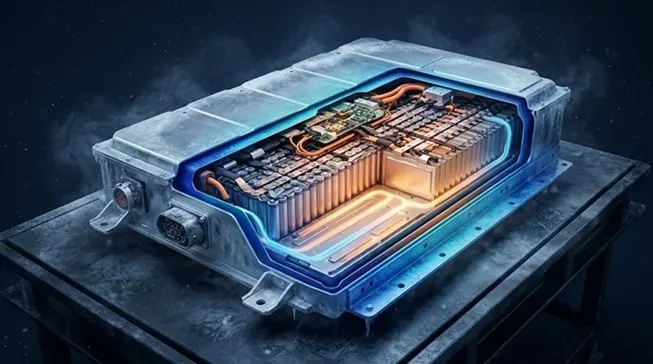
Subaru Hybrid Battery Warranty
Subaru’s warranty structure includes several coverage types, and they apply to different parts of the vehicle for different periods. The brief lists a hybrid-system warranty of 8 years or 100,000 miles, whichever comes first, where applicable. Confirm this figure in the warranty booklet for the specific model year and market before publishing it.
Hybrid-System Coverage
The hybrid-system warranty typically covers high-voltage components that are specific to the hybrid system. Based on the brief, these may include:
- The high-voltage battery pack
- The battery control unit
- The power control unit and inverter/converter
- The hybrid control system
Coverage lists differ by model year and market, so confirm the exact components and any exclusions in the booklet.
How the Hybrid Warranty Differs From the Powertrain Warranty
The powertrain warranty covers the engine, transmission, and drive components, usually for a shorter period than the hybrid-system warranty. The hybrid-system warranty focuses on electric components. Some hybrid components may fall under one warranty, others under another, so read the booklet carefully rather than assuming full coverage.
| Coverage type | Typical focus |
|---|---|
| New vehicle limited warranty | Broad coverage for defects in materials and workmanship |
| Powertrain warranty | Engine, transmission, and drive components |
| Hybrid-system warranty | High-voltage battery, battery control unit, power control unit, inverter/converter, and hybrid control system |
| EV high-voltage battery warranty | Traction battery in a battery-electric vehicle such as the Solterra |
Federal rules also require some minimum emissions-related warranty coverage for hybrid and electric batteries, and California has its own requirements. Those rules set minimums, and manufacturers can offer more. Check the EPA and California Air Resources Board guidance if you need the regulatory background.
Warranty Is Not a Lifespan
A warranty protects you during a defined period against covered failures. After that period, you may still have a working battery, or you may face repair costs. Do not read an 8-year, 100,000-mile warranty as a guarantee that the battery will last that long, and do not read it as a scheduled replacement interval.
How to Check Your Warranty Status
Start with the warranty booklet that came with the vehicle, and confirm the in-service date, which is often the date the vehicle was first sold or put into service. Subaru dealers can review coverage using your VIN. You can also contact Subaru’s customer service line listed on subaru.com. Keep records of maintenance, because some warranty claims depend on documented service.
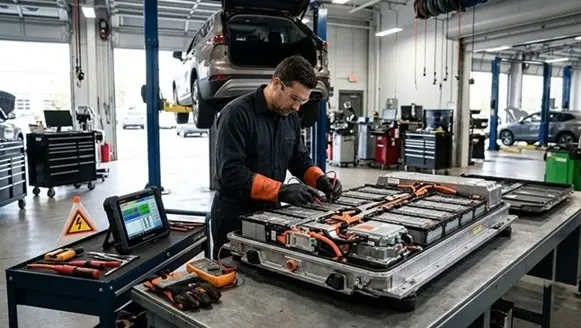
How Much Does It Cost to Replace a Subaru Hybrid Battery?
I could not verify current replacement prices for any Subaru hybrid battery, and I have not included a dollar figure. Replacement costs vary by model, model year, parts availability, labor rates, diagnostic work, and whether a dealer or an independent shop performs the repair.
- Battery pack size and chemistry: Larger packs and different cell designs cost more to produce.
- Model year: Parts can change between model years, so the correct part number matters.
- Parts availability: Genuine parts may take longer to source, which can affect the timeline.
- Labor: High-voltage work requires trained technicians, and labor rates vary by region.
- Diagnostics: A proper diagnosis can cost money before any repair begins. Ask whether it is included in the quote.
- Dealer versus independent shop: Dealers use Subaru-trained technicians and genuine parts, while qualified independent shops may offer different pricing and parts options.
- New versus remanufactured components: Availability and warranty terms differ, so ask what the shop is installing.
What to Do Before Paying for Repairs
- Check warranty eligibility first. The battery may be covered, and a warranty repair may cost you nothing.
- Request a written diagnostic report. The report should identify the fault, the test results, and the recommended repair.
- Compare repair estimates. Ask each shop whether the quote covers parts only or the full installed repair, including labor, fluids, and disposal.
- Ask about genuine Subaru replacement components. Confirm the part number and whether it is new, remanufactured, or used.
- parts warranty. Get the warranty terms in writing, including duration and mileage limits.
If a shop offers a price range, confirm whether it includes labor, diagnostics, and taxes. A quote that looks lower may exclude items that you will pay for later.
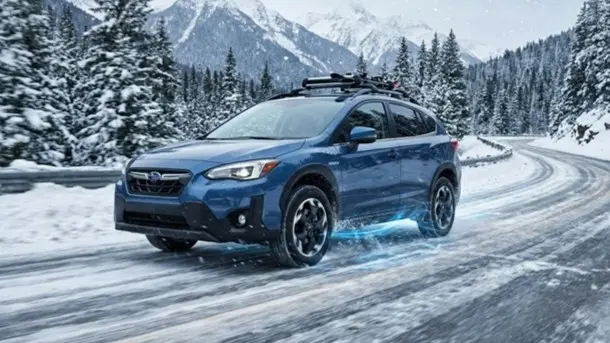
Subaru Hybrid Winter Driving
Yes, a Subaru hybrid battery can operate in snow, but cold weather changes how the system behaves. Those changes are usually temporary. They are not evidence that the battery is damaged.
What Happens to Hybrid Performance in Cold Weather
Lithium-ion batteries have less available power and accept charge less readily at low temperatures. In practice, several things may happen during a cold start or a very cold drive:
- Reduced electric assistance: The electric motor may provide less help until the battery warms up.
- More engine operation: The gasoline engine may run more often to warm the battery, the cabin, and the engine itself.
- Lower fuel economy: A cold engine runs less efficiently, and the system’s heating demands add load.
- Changes in regenerative braking: A cold battery may accept less energy during deceleration, so the system may rely more on friction brakes.
Cabin heating also matters. In a conventional gasoline car, the engine’s waste heat warms the cabin. In a hybrid, the engine may run less often, so the system may need to use additional energy or run the engine more to provide heat and defrosting. Heated seats and a heated steering wheel add demand as well.
Temporary Changes Versus Permanent Degradation
Temporary cold-weather performance changes usually reverse as the battery and vehicle warm up. Permanent degradation is a gradual loss of capacity over the battery’s life, and it is measured through battery health testing, not by the feeling of a cold morning.
A reduced-power reading on a frigid morning does not prove the battery is failing. Compare the vehicle’s behavior after it warms up. If the performance problem continues in mild weather, or a warning appears, have the vehicle inspected.
How Subaru’s AWD Helps in Snow
Symmetrical AWD sends power to all four wheels, which can improve traction when pulling away on snow, ice, or gravel. It can also help with stability when a vehicle accelerates or climbs an incline on slippery surfaces. Subaru’s AWD is standard on the hybrid SUVs discussed here.
X-MODE is Subaru’s traction-management system, available on some models. It adjusts throttle response, transmission behavior, and braking for different surfaces. Confirm the settings available on your model, such as snow, deep snow, or slippery surface, and read how X-MODE works in the owner’s manual.
What AWD Cannot Do
AWD does not shorten braking distances, improve cornering grip beyond what the tires can provide, or prevent a vehicle from sliding on ice. Stopping distance depends mainly on tires, road conditions, and speed. AWD does not replace winter tires. Winter-rated tires make a larger difference than AWD in many snow and ice conditions, so buy them for cold-weather driving.
| Winter condition | What drivers may notice |
|---|---|
| Freezing temperatures | Reduced hybrid efficiency and temporarily lower electric assistance |
| Snow-covered roads | AWD helps distribute traction across all four wheels |
| Short cold-weather trips | Gas engine may run more frequently |
| Cabin heating and defrosting | Increased energy demand, which can lower fuel economy |
| Slippery downhill roads | Appropriate speed and tire choice remain essential |
Does a Subaru Hybrid Battery Hold Up in Snow?
Yes, in the sense that the system is designed to operate in cold conditions, and cold weather does not automatically damage the battery. The practical effects are reduced efficiency and sometimes reduced electric assistance until the system warms up. Proper maintenance, appropriate tires, and following the owner’s manual matter more than any single winter drive.
Does Cold Weather Reduce Subaru Hybrid Battery Life?
Cold weather affects a hybrid battery’s performance more than its long-term health. A cold morning temporarily limits the battery’s available power, and that limit lifts as the pack warms. Permanent capacity loss is driven mainly by long-term exposure to high heat and by how the battery is used over years.
That said, extended exposure to extreme temperatures in either direction can matter over time. Heat is the more serious concern, but a vehicle that sits for long periods in extreme cold without proper care may also need maintenance attention. Parking in a garage or shaded area, when possible, reduces exposure to temperature extremes. Follow the owner’s manual for guidance on storage and extended inactivity.
Battery cooling and monitoring systems help manage these conditions. Keeping cooling intakes clear and having warnings checked promptly support the system’s ability to protect the battery. Do not assume normal winter driving will destroy a hybrid battery. Subaru’s maintenance and operating recommendations are the best guide to protecting it.
Is a Subaru Hybrid Better Than a Toyota Hybrid for AWD?
The answer depends on which models you compare and what you value. Subaru and Toyota approach all-wheel drive differently, and neither approach is universally better.
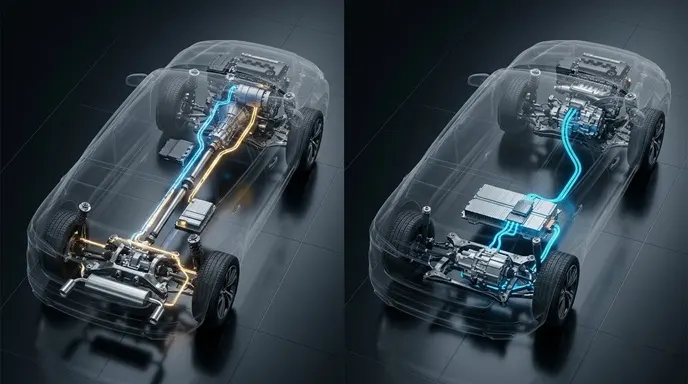
Subaru’s Symmetrical All-Wheel Drive uses a mechanical design in which the engine, transmission, and drivetrain are arranged to send power to all four wheels. The system is standard on the featured hybrid SUVs in this guide. Subaru also emphasizes ground clearance and balance, and its X-MODE system is available on some models for slippery-surface driving.
Subaru’s hybrid models use the hybrid system alongside this AWD architecture. Confirm how the electric motor interacts with the drivetrain on each model, including whether it assists the rear axle.
Toyota’s Approach
Toyota offers AWD on several hybrid models, and the configurations vary. On some hybrid SUVs, such as the RAV4 Hybrid, Toyota uses an electronic on-demand system with a rear electric motor that can drive the rear wheels when needed. Toyota’s AWD availability depends on the model and trim. Not every Toyota hybrid is offered with AWD.
A fair comparison pairs AWD configurations with AWD configurations. Comparing a standard-AWD Subaru with a two-wheel-drive Toyota tells you about drivetrain choice, not about system capability. Likewise, compare ground clearance, tire size, and winter-tire use across both vehicles.
| Comparison | Subaru hybrid | Toyota hybrid |
|---|---|---|
| AWD availability | Standard on featured Subaru hybrid SUVs | Depends on model and trim |
| AWD technology | Symmetrical AWD system | Varies by hybrid model; some use an electronic rear-motor system |
| Winter capability | Depends on tires, ground clearance, and system | Depends on tires, ground clearance, and system |
| Fuel economy | Model-specific | Model-specific |
| Battery warranty | Verify the applicable Subaru warranty | Verify the applicable Toyota warranty |
| Best use case | Buyers prioritizing Subaru’s AWD character | Buyers prioritizing a specific Toyota model’s efficiency and features |
Forester Hybrid Versus RAV4 Hybrid
The Forester Hybrid and RAV4 Hybrid are both midsize-to-compact SUVs with hybrid powertrains and AWD options. Compare their current EPA ratings on fueleconomy.gov, their cargo volumes, their ground clearance, and their AWD configurations on the official model pages. Neither is automatically better. The Forester emphasizes Subaru’s AWD character, while the RAV4 is known for its hybrid efficiency and Toyota’s broad lineup.
Crosstrek Hybrid Versus a Compact Toyota Hybrid
Compare the Crosstrek Hybrid against the closest Toyota compact hybrid SUV available in the same model year, and confirm that both are offered with AWD. Check size, cargo, price, and warranty terms side by side.
Subaru does not win every snow comparison, and Toyota does not win every efficiency comparison. The best AWD system depends on the vehicle, its tires, the terrain, and your priorities. Test both on roads you drive in winter, if possible.
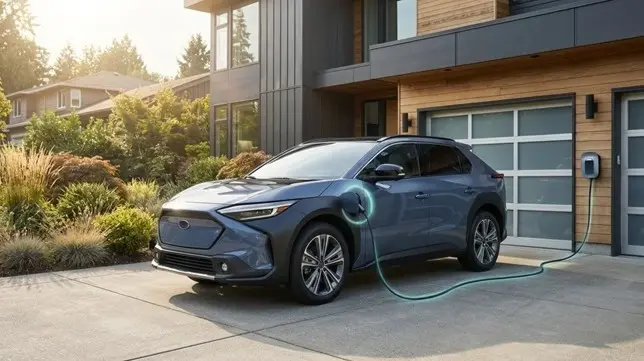
2026–2027 Subaru Hybrid SUV Lineup
Subaru’s U.S. hybrid SUVs are the models to focus on for 2026–2027. Confirm each model’s availability, trims, and specifications for the exact model year on Subaru’s official pages before buying.
2026 Subaru Crosstrek Hybrid
The Crosstrek Hybrid is Subaru’s compact hybrid SUV. It pairs a 2.5-liter BOXER gasoline engine with an electric motor and a lithium-ion battery. Its standard Symmetrical AWD and ground clearance make it appealing for buyers who want a small vehicle for winter driving.
Check the Crosstrek Hybrid’s EPA ratings on fueleconomy.gov, along with its driving range, trim structure, and pricing. The hybrid-system warranty should be confirmed in the booklet for the model year. This model suits commuters and small households who want better fuel economy than the gasoline Crosstrek without plugging in. It is compact, so buyers who need maximum cargo space may prefer a larger model.
2026 Subaru Forester Hybrid
The Forester Hybrid is a larger hybrid option with more passenger and cargo space than the Crosstrek. its engine, motor, AWD system, and fuel economy on Subaru’s official pages. Compare its EPA rating with the gasoline Forester for the same trim, not with a different class of vehicle.
For families in cold-weather states, the Forester Hybrid can be a practical choice because of its AWD system, cargo room, and ground clearance. It still requires winter tires for snow and ice, and families should confirm the car seat fit before buying.
2027 Subaru Forester Wilderness Hybrid
I could not verify the existence, availability, or specifications of a 2027 Forester Wilderness Hybrid. Do not treat it as officially available until Subaru confirms the model, trim, powertrain, ground clearance, pricing, and release timing. If Subaru announces it, confirm the battery warranty, hybrid components, and off-road features on the official model page.
Other 2027 Subaru Hybrid Announcements
Do not assume that every gasoline Subaru SUV will receive a hybrid version in 2027. Include a model only after Subaru’s official announcement, and check Subaru’s newsroom at media.subaru.com for current information.
Who Should Consider a Subaru Hybrid SUV
A Subaru hybrid makes the most sense for buyers who want better fuel economy, standard AWD, and a conventional hybrid that does not require charging. Buyers who drive mostly in town and need winter traction may find them especially useful. Buyers who need maximum cargo space, towing, or a fully electric vehicle should compare other options.
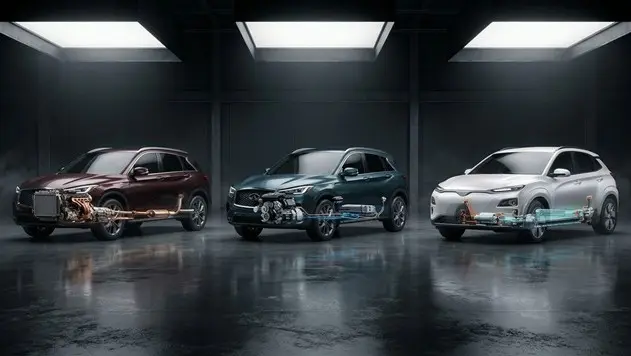
Subaru Hybrid vs. Gasoline vs. Electric
The right powertrain depends on how you drive, where you charge or refuel, and how long you keep the vehicle.
Gasoline Subaru SUVs
Gasoline models use a conventional engine and have the simplest powertrain of the three. They refuel quickly at almost any station, and they are available with standard or optional AWD depending on the model. Routine engine and transmission maintenance follows the owner’s manual. Fuel costs depend on your local gas prices and the vehicle’s EPA rating.
Subaru Hybrid SUVs
Hybrids combine a gasoline engine with one or more electric motors and a battery that charges through regenerative braking and the engine. You refuel with gasoline and never plug in. Hybrids often improve city fuel economy because the electric motor handles more low-speed driving. The hybrid battery is typically smaller than a full EV traction battery, and its warranty terms should be confirmed for the model year.
Subaru Electric SUVs
The Subaru Solterra is a battery-electric SUV. It has no gasoline engine, and it uses a large high-voltage traction battery that powers the drive motors. It requires charging, and its range depends on temperature, speed, load, and battery size. Its battery warranty is separate from the hybrid warranty and should be checked in its own booklet.
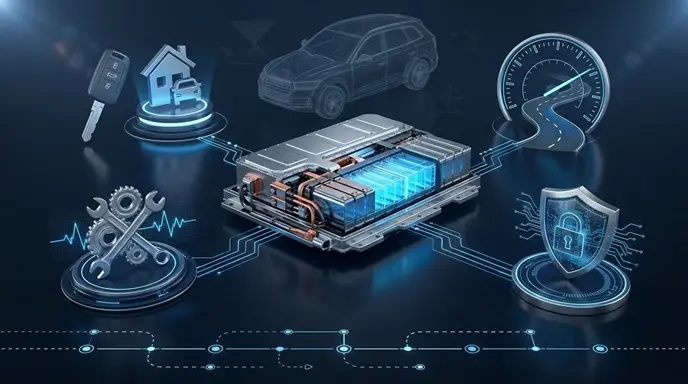
Hybrid Battery Versus EV Traction Battery
A hybrid battery is smaller and supports electric assistance. It charges from the engine and regenerative braking, and it does not power the vehicle alone for long distances. An EV traction battery is much larger, is charged from an outside power source, and powers the vehicle for every mile. Its warranty, cost, and degradation characteristics differ from those of a hybrid battery.
| Factor | Gasoline Subaru SUV | Subaru Hybrid SUV | Subaru Solterra (EV) |
|---|---|---|---|
| Fuel source | Gasoline | Gasoline plus battery charged by the system | Electricity only |
| Refueling or charging | Gas stations | Gas stations; no plug-in | Home or public charging |
| Long-distance travel | Easiest | Easy | Requires charging planning |
| Cold-weather efficiency | Engine heat warms the cabin efficiently | Reduced efficiency in cold weather | Reduced range in cold weather |
| Maintenance considerations | Oil, filters, spark plugs, transmission service | Engine service plus hybrid-system inspections | Tires, brakes, cabin filter, coolant, and battery checks as specified |
| Best buyer type | Buyers wanting simplicity and wide refueling access | Buyers wanting better fuel economy without charging | Buyers with reliable home charging and mostly local driving |
Do not assume hybrids or EVs are always cheaper to own. Purchase price, electricity or fuel rates, incentives, insurance, maintenance, and resale value all affect total cost. Incentive eligibility changes over time, so verify any credit on irs.gov and your state’s official resources before counting on it.
Subaru Hybrid Battery Maintenance: 7 Practical Ways to Protect Battery Health
Battery health depends on routine care as much as on design. These steps follow common manufacturer guidance, but always confirm them in your owner’s manual.
- Follow the maintenance schedule in the owner’s manual. Routine service keeps the engine, cooling, and electrical systems operating as designed.
- Keep the battery cooling intake and ventilation area clear. Remove debris and check for obstructions where applicable.
- Avoid prolonged exposure to extreme heat. Park in shade or a garage when possible.
- Drive the vehicle regularly. Follow the manufacturer’s guidance on use and extended parking.
- Respond to dashboard warnings promptly. Do not ignore hybrid-system or battery-related messages.
- Have unusual battery behavior diagnosed by a qualified Subaru technician. Do not guess based on symptoms alone.
- Keep up with hybrid-system inspections and software updates. Ask the dealer whether any updates apply to your vehicle.
Never open or repair the high-voltage battery system yourself. High-voltage components can cause serious injury or death, and repairs should be performed only by trained technicians.
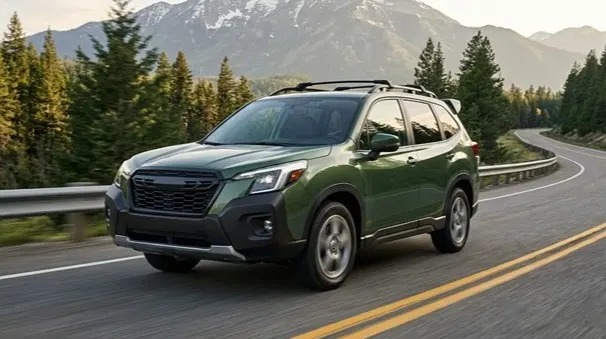
Signs Your Subaru Hybrid Battery May Need Inspection
Several warning signs may point to a hybrid-system issue. None of them automatically confirms battery failure, and some may have simpler causes.
- Hybrid-system warning lights: A dashboard message should be checked, even if the car still drives.
- Fuel economy changes that persist: A short-term drop in cold weather is normal. A lasting decline in mild weather deserves inspection.
- Unusual engine operation: Frequent, unexpected engine starts or unusual sounds should be reviewed.
- Changes in electric assistance: Noticeably reduced or inconsistent electric help may indicate a problem.
- Battery temperature warnings: Overheating messages should be taken seriously.
- Diagnostic trouble codes: A technician can read stored codes and determine whether they relate to the battery or another system.
- Reduced system performance: The vehicle may limit power in some conditions.
Do not replace a battery based on a dashboard message alone. Ask for a professional diagnostic inspection, a written report, and the test results before approving any repair. Subaru hybrids combine gasoline-engine convenience with electric assistance and, on the featured models, standard AWD. That combination can suit drivers who want better fuel economy without plugging in, especially in mixed driving and in regions that need traction.
Battery longevity depends on operating conditions, maintenance, and how the vehicle is used. The hybrid-system warranty offers useful protection, but it is not a guaranteed battery lifespan. Read the booklet for your model year and confirm what it covers. Compare the Crosstrek Hybrid, Forester Hybrid, gasoline models, and the Solterra EV against your budget, climate, and driving habits. Test-drive the models you are considering, and ask a dealer for the warranty terms in writing before you buy.
Related Post