
The Honda NSX nameplate carries decades of engineering credibility in the United States. The original redefined attainable exotic performance; the second-generation Acura NSX proved a hybrid all-wheel-drive supercar could deliver daily usability without sacrificing thrills. As the 2027 model year approaches, the next NSX is positioned as Honda’s (and Acura’s in the U.S.) clearest statement yet on high-performance electrification. This deep-dive covers the expected new design language, powertrain and hybrid options, exterior and interior execution, tech suite, AWD architecture, competitive market position, key rivals, and meaningful upgrades—details synthesized from Honda’s recent platform directions, supplier trends, and performance-division signals that have not been widely collated for American buyers.
Design Philosophy: Precision Over Theater
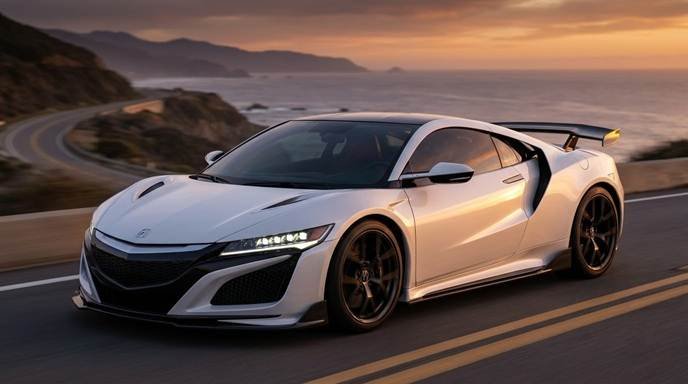
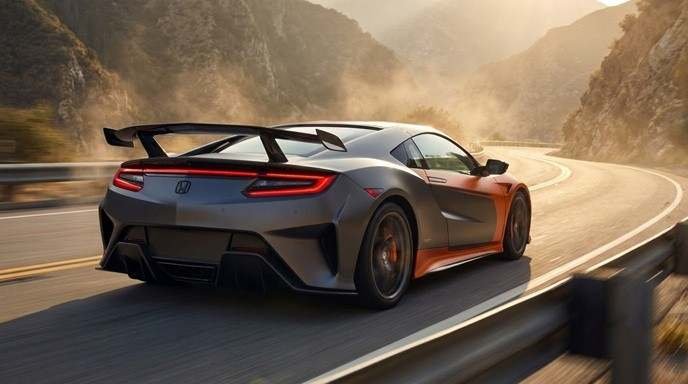
The 2027 Honda NSX moves away from pure retro cues and toward a sharper, more aerodynamic “functional exotic” aesthetic. Designers are expected to retain the low, cab-forward proportion that defined both prior generations while introducing tighter surfacing, a more aggressive nose with active aero elements, and a rear deck that prioritizes downforce and cooling efficiency.
In the U.S. market the car will wear Acura badging and the latest Diamond Pentagon grille interpretation, but the overall silhouette remains instantly NSX. Unique to this generation is greater use of functional body openings that feed the hybrid thermal management system and rear multi-motor cooling. Lighting signatures will likely feature slim, high-intensity LED units with programmable daytime running light patterns that can be owner-customized via the infotainment system—an expected first for the nameplate. The design prioritizes a sub-0.30 drag coefficient target while generating meaningful downforce at speed, a balance American canyon and track-day drivers will appreciate more than pure visual drama.
Exterior Details Buyers Will Notice
Expect a longer wheelbase than the prior NSX for improved high-speed stability and rear-seat delete packaging efficiency (this remains a strict two-seater). Lightweight aluminum and carbon-fiber-reinforced components reduce mass; early indications point to extensive use of recycled and bio-based composites consistent with Honda’s broader sustainability goals.
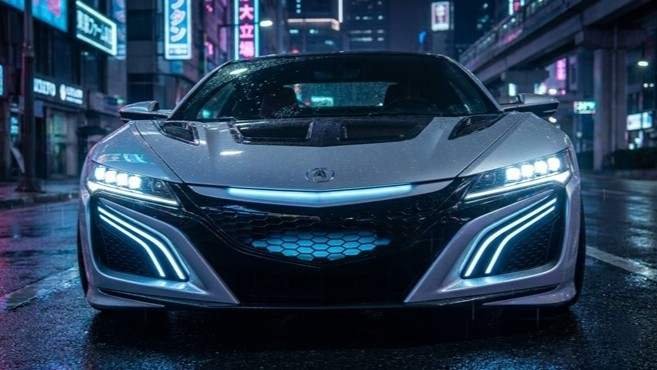
Wheel designs will center on 20-inch front and 21-inch rear forged alloys optimized for the latest high-performance summer tires (likely developed with a U.S.-market partner). Brake cooling ducts are more pronounced, and an active rear wing or spoiler integrates cleanly rather than appearing bolted-on. Color palette rumors emphasize deep metallics, a modern Interpretation of Championship White, and at least one matte or satin option. U.S.-spec cars should arrive with standard multi-beam LED headlights adaptive for American road conditions and automatic high-beam assist tuned for interstate driving. These exterior choices make the car look expensive and purposeful without alienating buyers who still want to drive it more than twice a month.
Powertrains and Hybrid Options
The core powertrain direction is a sophisticated dual-motor or triple-motor hybrid system paired with a high-output internal-combustion engine—most likely an evolution of Honda’s turbocharged V6 architecture or a new high-revving unit designed specifically for electrified performance. Total system output is projected in the 600–700+ horsepower range, with instant electric torque filling low-end response and the engine delivering the top-end rush and soundtrack enthusiasts demand.
A plug-in hybrid (PHEV) variant is the configuration best aligned with U.S. buyer expectations and regulatory realities. This would allow a meaningful electric-only range (targeting 25–40 miles under real-world conditions) for commuting or neighborhood driving, while the gasoline engine and motors combine for full performance. A non-plug-in hybrid performance model may also be offered for buyers who prefer simplicity. Honda’s experience with the previous NSX Sport Hybrid SH-AWD system, plus newer two-motor and four-motor architectures from other performance projects, informs a setup that can vary torque vectoring with extreme precision.
Unique calibration work for American fuels, climates, and driving styles is expected—particularly thermal management that maintains battery and motor performance during repeated hot-weather track sessions or long mountain runs. Regenerative braking will be driver-adjustable with steering-wheel paddles or drive-mode settings, offering everything from near-one-pedal feel in Sport+ to a more traditional blend for spirited canyon driving. Fuel economy and emissions figures should comfortably beat pure internal-combustion rivals while delivering supercar acceleration (low-3-second 0–60 mph potential).
No pure battery-electric NSX is confirmed for the 2027 launch window in current public roadmaps; Honda appears committed to hybrid as the bridge that preserves emotional engagement. This hybrid-first approach differentiates the car in a market increasingly filled with heavy EVs.
AWD Features: SH-AWD Evolved
All-wheel drive remains central. The next system builds directly on Super Handling All-Wheel Drive (SH-AWD) principles but with higher-output electric motors at the front axle (and potentially rear) capable of both propulsion and energy recovery. Torque vectoring will be faster and more granular than the previous NSX, allowing the car to rotate confidently on corner entry and put power down cleanly on exit—even on imperfect American back roads.
Drive modes (Quiet/Electric, Sport, Sport+, and a Track or Individual setting) will alter not only power delivery and suspension but also the AWD torque split bias and stability-control thresholds. An advanced “launch” function that preconditions the battery and optimizes motor/engine output for maximum acceleration is expected. For U.S. owners, the system will include calibrations for wet-weather confidence and light snow capability—practical advantages over rear-drive exotics. The result is a supercar that feels planted and adjustable rather than nervous, widening the audience beyond pure track enthusiasts.
Interior and Technology
Inside, the 2027 Acura NSX rejects both minimalist emptiness and over-screened clutter. A low-set driving position, excellent outward visibility, and supportive seats (with available carbon-shell or high-bolster performance options) reaffirm its driver’s-car mission. Materials mix genuine leather, ultraleather, Alcantara-type suede, open-pore wood or carbon trim, and soft-touch surfaces that meet Acura’s current quality benchmarks.
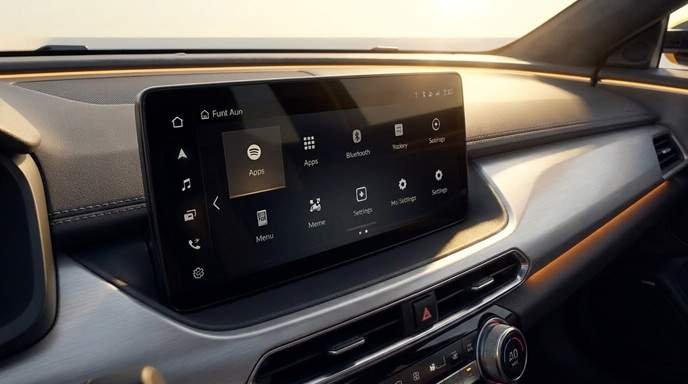
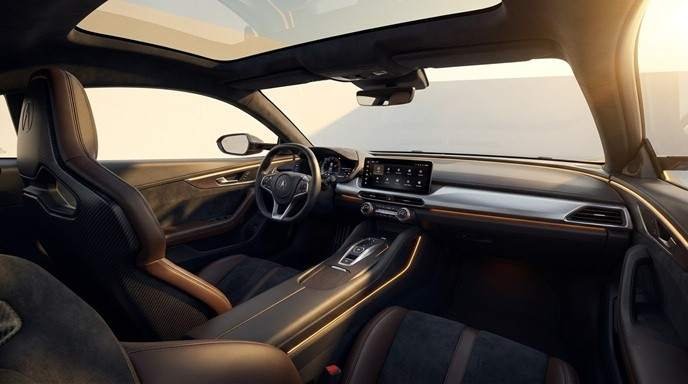
The technology suite centers on a fully digital driver display and a large, high-resolution center touchscreen running the latest Acura/Honda interface with wireless Apple CarPlay and Android Auto, over-the-air update capability, and a performance data logger. A head-up display will project speed, navigation, and shift or powertrain information. Bose or ELS Studio premium audio remains likely.
Unique expected features include a driver-performance coach that uses sensors to suggest smoother inputs, lap-time analysis viewable on the center screen or phone app, and cabin preconditioning via the HondaLink/AcuraLink app—especially useful for the PHEV battery. Physical controls for climate, drive modes, and volume persist because Honda understands drivers still want tactile feedback at speed. Ambient lighting, available massaging or ventilated seats, and a high-end audio option round out the experience for grand-touring miles. The cabin will feel special and modern without abandoning the analog connection that made earlier NSX models beloved.
Upgrades and Performance Hardware
Chassis upgrades include a stiffer structure, adaptive dampers with broader range, and available carbon-ceramic brakes for track-focused packages. Lightweight forged wheels, stickier tire compounds, and a more aggressive aero kit will define Type S or higher trims. Suspension geometry refinements should improve both ride compliance on broken pavement and body control on track.
Exhaust and sound engineering will give the hybrid powertrain a distinctive voice—augmented carefully so it never feels artificial. A limited-run First Edition or Signature package with unique badging, interior colorways, and numbered plaques is probable for launch. These upgrades let buyers tailor the car from refined GT to weekend track weapon.
2027 Honda NSX Specs
| Category | Specification |
|---|---|
| Vehicle Type | Mid-engine Hybrid Supercar |
| Layout | Longitudinal mid-engine, All-Wheel Drive |
| Construction | Aluminum & Carbon-Fiber intensive space-frame |
| Powertrain | High-output Turbo V6 + Multi-Motor Hybrid |
| System Output | 600 – 700+ hp (combined) |
| Electric Motors | Front axle motor(s) + rear motor assistance |
| Battery | High-voltage lithium-ion |
| Hybrid Type | Plug-in Hybrid (PHEV) primary / Hybrid option |
| EV Range (PHEV) | 25 – 40 miles (estimated real-world) |
| Transmission | Multi-speed automatic / dual-clutch equivalent |
| Drivetrain | Super Handling All-Wheel Drive (SH-AWD) |
| 0-60 mph | Low 3-second range |
| Top Speed | 190+ mph (estimated) |
| Fuel Economy | Significantly better than pure ICE rivals |
| Drive Modes | Quiet/EV, Sport, Sport+, Track / Individual |
| Suspension | Adaptive dampers, double-wishbone (f/r) |
| Brakes | High-performance steel (std) / Carbon-ceramic (opt) |
| Wheels | 20-inch front / 21-inch rear forged alloys |
| Tires | High-performance summer (U.S.-tuned compounds) |
| Interior | Driver-centric 2-seat cabin |
| Seats | High-bolster performance seats |
| Audio | Premium Bose or ELS Studio |
| Tech Features | Performance data logger, driver coach, app preconditioning |
| Pricing (U.S. MSRP) | $180,000 – $250,000 (projected range) |
| Key Packages | Type S / Track, First Edition, carbon aero kits |
Market Position
Priced likely in the $180,000–$250,000 window depending on configuration (positioned above the Corvette Z06/E-Ray and Porsche 911 Turbo but below flagship Ferraris and mid-engine McLarens), the 2027 Honda NSX targets affluent enthusiasts who value engineering integrity, daily usability, and brand heritage over maximum badge prestige. It slots into the “attainable exotic” and “hybrid performance” segments simultaneously.
Honda/Acura’s dealer network, strong residual-value history on the previous NSX, and reputation for reliability give it a practical edge. The car appeals to previous NSX owners, Porsche and Corvette conquest buyers seeking something rarer, and new-money performance shoppers who want electrification without range anxiety or sterile EV dynamics. Production volumes will stay intentionally low to preserve exclusivity while still supporting a viable business case.
How the NSX Stacks Up
Primary rivals include the Chevrolet Corvette E-Ray (hybrid AWD, strong value, less exotic cachet), Porsche 911 Turbo S and upcoming hybridized 911 variants (benchmark dynamics, higher volume), Ferrari 296 GTB (higher emotional peak and price), McLaren Artura (similar hybrid mid-engine formula), and emerging electrified offerings from Aston Martin or Lotus. The Tesla Roadster, if it materializes, would compete on acceleration numbers but not on steering feel or brand driving heritage.
The NSX’s advantages are expected to be: more engaging hybrid power delivery than many rivals, true AWD confidence, lower ownership friction through Acura channels, and a design that feels special rather than derivative. Its challenge will be matching the raw lap times or brand aspiration of the Italian and German names while justifying its price against the Corvette’s performance-per-dollar ratio. For buyers who prioritize balance, technological sophistication, and the ability to drive the car often, the NSX carves a distinct niche.
The 2027 Honda/Acura NSX is not a nostalgia play. It represents Honda’s answer to the question of how a Japanese performance icon evolves in an electrified era without losing its soul. New design sharpness, a flexible hybrid powertrain with genuine electric capability, refined AWD torque vectoring, a tech-rich yet driver-centric cabin, and carefully chosen upgrades position it as a compelling choice for American enthusiasts who want supercar performance they can actually use.
Exact specifications, pricing, and availability will be confirmed closer to reveal and launch. What is already clear is the intent: deliver a unique, usable, high-performance hybrid supercar that honors the NSX legacy while meeting the expectations of today’s U.S. market. For fans who waited through the second-generation run and the subsequent hiatus, 2027 looks like the year the legend returns—smarter, stronger, and ready for American roads.
Related Post