
The subcompact sedan segment in the United States just got a lot lonelier. While Nissan has rolled out a significantly refreshed 2027 Nissan Versa with sharper styling, upgraded technology, and modern features in markets like Mexico, American buyers will not get this updated model. Production of the Versa for the U.S. ended in late 2025, closing the book on one of the last genuinely affordable new cars in America.
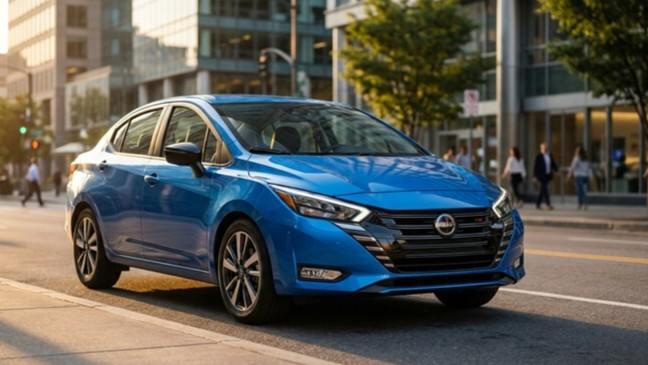
This in-depth guide covers everything about the 2027 Nissan Versa — its new exterior design language, powertrain details (including the absence of hybrid or AWD options), interior and technology upgrades, safety features, market positioning, and direct rivals. We also explore why Nissan made the strategic decision to pull it from the U.S. and what realistic alternatives exist for budget-conscious American drivers in 2026 and beyond.
Nissan officially confirmed that Versa production for the U.S. market ceased in December 2025. The 2025 model year was the final one sold stateside. This move eliminated the cheapest new vehicle regularly available in America (previously starting around $17,000–$18,000 before destination).
Several factors drove the decision:
- Shifting consumer preferences toward crossovers and SUVs (even small ones like the Nissan Kicks outsold the Versa significantly).
- Thin profit margins on a high-volume, low-price vehicle.
- Plant consolidation and global production cuts at Nissan.
- A strategic focus on higher-transaction-price vehicles and electrified SUVs (such as the all-new 2027 Rogue Hybrid e-POWER with AWD).
The result? The U.S. no longer has a new subcompact sedan priced under $20,000. The redesigned 2027 Nissan Versa lives on for export markets — particularly Mexico, where it has long been a segment leader — but American shoppers must now look at used examples, step up to the Nissan Kicks or Sentra, or explore other brands.
Exterior Design- A Sharper Premium Look
The 2027 Nissan Versa receives its most substantial visual update in years. While it rides on the same basic platform and shares the same greenhouse and roof structure as the previous generation, nearly all exterior body panels are new.
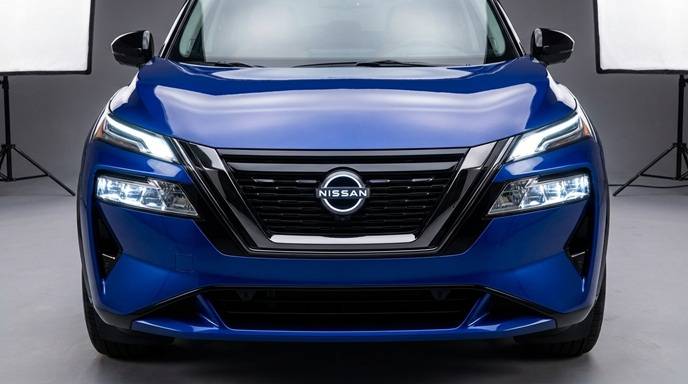
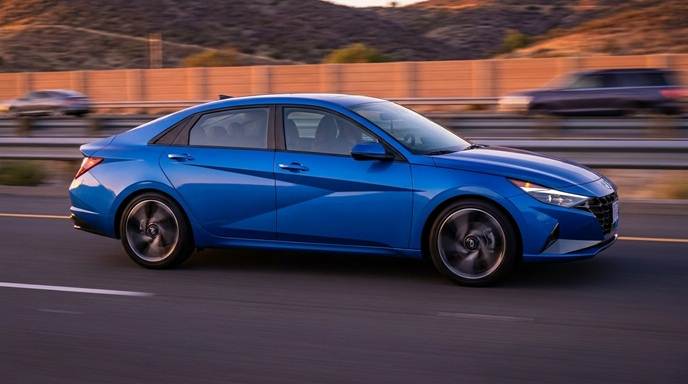
- A bolder front fascia with split-level daytime running lights (DRLs) and a more prominent, contrasting grille treatment.
- Sharper character lines and cleaner surfacing that replace some of the previous generation’s softer curves.
- More pronounced wheel arch flares and a wider stance appearance.
- Revised rear styling with updated taillights and a trunk lid featuring an integrated lip spoiler.
- Aerodynamic refinements, including a more squared-off lower bumper.
- Larger alloy wheels (up to 17 inches on top trims) with diamond-cut finishes.
The overall effect is a more mature, contemporary appearance that borrows design cues from Nissan’s recent Sentra and Murano updates. It no longer looks like the basic, apologetic economy car of the past. In higher trims with dark wheels and the right color (such as the bright blue shown in official images), the new Versa actually projects a surprising amount of presence for its size and price point.
This is not a full clean-sheet redesign, but it is a very effective facelift that modernizes the car without inflating costs dramatically.
Powertrain- Proven 1.6L Engine, No Hybrid or AWD
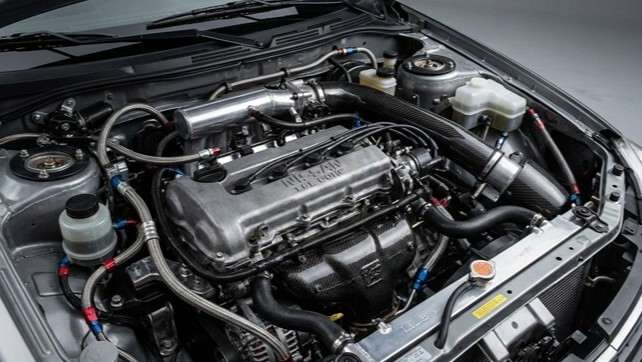
Under the hood, the 2027 Nissan Versa continues with a version of Nissan’s familiar 1.6-liter inline-four (HR16DE family). Output sits in the 118–122 horsepower range with approximately 110–114 lb-ft of torque, depending on exact market tuning.
Power is sent exclusively to the front wheels through Nissan’s Xtronic CVT (a 5-speed manual may still be offered in base trims in certain export markets).
Fuel economy remains a strong point. Expect figures very close to the previous generation’s EPA ratings of up to 32 city / 40 highway mpg with the CVT — excellent for a non-hybrid subcompact sedan.
Nissan deliberately kept the Versa simple and inexpensive. Adding e-Power hybrid technology (like the one coming to the 2027 Rogue) or a conventional hybrid system would raise the price and complexity, pushing it out of its core affordability mission. The target buyer in markets like Mexico prioritizes low purchase price and straightforward ownership over electrification.
Why no AWD?
All-wheel drive adds cost, weight, and complexity that would hurt both the sticker price and fuel economy. For the urban and highway-focused buyers this car targets, front-wheel drive with good tires and available stability control is sufficient. Nissan reserves its new e-Power AWD hybrid systems for higher-volume, higher-margin vehicles like the Rogue.
The powertrain is not exciting on paper, but it is proven, efficient, and cheap to maintain — exactly what budget buyers need.
Interior and Technology
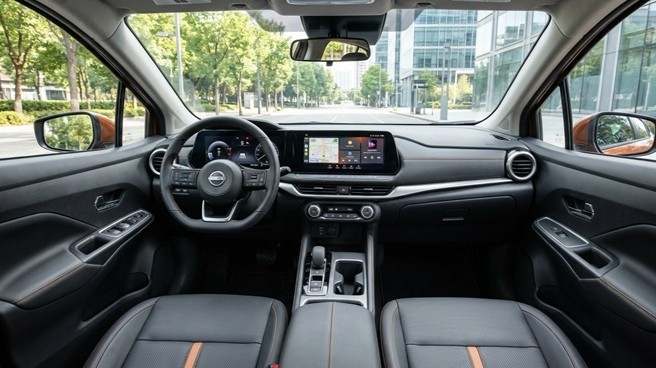
The cabin receives meaningful improvements, especially in mid- and top-level trims.
Notable interior and tech features in the 2027 Nissan Versa (Mexico-market specs):
- Base “Sense” trim: 9-inch touchscreen with wireless Apple CarPlay and Android Auto, basic audio, and forward collision warning with automatic emergency braking and pedestrian detection.
- Mid-level “Advance”: 7-inch digital instrument cluster, around-view monitor (360° camera), passive entry, and upgraded audio.
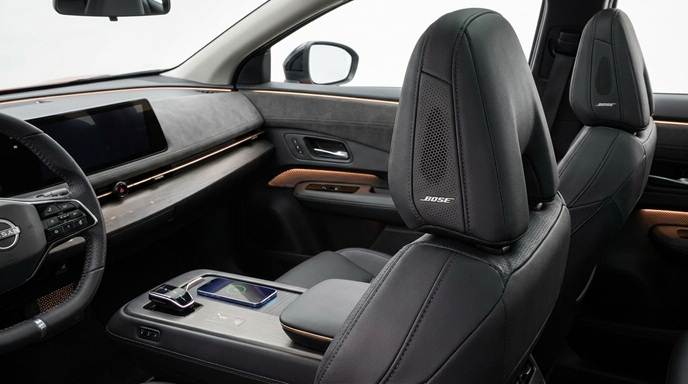
- Top “Exclusive” trim: Large 12.3-inch infotainment touchscreen, 7-inch or larger digital driver display, Bose premium audio system with eight speakers including headrest speakers (Personal Bose technology), wireless smartphone charger, soft-touch dashboard materials with contrast stitching, lane departure prevention, and blind-spot intervention.
Nissan Safety Shield 360 (or equivalent suite) is widely available or standard across trims, bringing automatic emergency braking, blind-spot warning, rear cross-traffic alert, and lane departure warning/prevention.
Higher trims feel noticeably more upscale than the previous generation, with better materials and a more modern layout. The addition of a large touchscreen and premium audio in the top trim is particularly impressive for this price segment — features that used to be reserved for cars costing thousands more.
Space remains typical subcompact: comfortable for four adults on longer trips and adequate for five in a pinch. The trunk offers competitive capacity for the class.
2027 Nissan Versa Specs
| Specification | Details |
|---|---|
| Engine | 1.6-liter DOHC 16-valve Inline-4 |
| Horsepower | 122 hp @ 6,300 rpm |
| Torque | 114 lb-ft @ 4,000 rpm |
| Transmission | Xtronic Continuously Variable Transmission (CVT) |
| Drivetrain | Front-Wheel Drive (FWD) only |
| Fuel Economy (CVT) | 32 city / 40 highway / 35 combined mpg |
| Width | 68.5 inches |
| Height | 57.3 – 57.7 inches |
| Seating Capacity | 5 passengers |
| Wheels | 15-inch steel (base) to 17-inch alloy (top trim) |
Trim Levels and Feature Breakdown
The 2027 Versa is offered in three main trims in Mexico:
- Sense — Entry point with essential safety tech and the 9-inch screen.
- Advance — Adds digital cluster, 360° camera, and nicer wheels.
- Exclusive — Top spec with the largest screen, Bose audio, wireless charging, and the most advanced driver aids. CVT-only.
This tiered approach allows Nissan to offer meaningful upgrades without pricing the base car out of reach.
Market Position and Global Rivals
In Mexico and other Latin American markets, the refreshed Versa continues as a volume leader in the subcompact sedan segment. It competes against the Toyota Yaris sedan, Volkswagen Virtus, Hyundai Accent/Verna equivalents, and various Chinese-brand offerings.
Its strengths remain low purchase price, strong fuel economy, proven reliability, and now more stylish design plus better tech in higher trims. Weaknesses include the lack of hybrid efficiency and the CVT’s sometimes rubber-band feel under hard acceleration.
In the broader global context, the Versa represents Nissan’s commitment to affordable mobility in emerging markets. The design and feature upgrades help the brand maintain relevance against increasingly sophisticated low-cost competitors.
Why the 2027 Versa Isn’t Coming to America
Nissan’s decision reflects broader industry trends. American buyers have largely abandoned traditional subcompact sedans in favor of small crossovers that offer higher seating positions, more versatility, and better resale. The Kicks, while more expensive, outsold the Versa and aligns better with current demand.
Bringing the updated Versa to the U.S. would have required meeting stricter regulatory and content expectations while still trying to hit a very low price point — a difficult equation given tariffs, transportation costs, and desired margins.
For American drivers, this means:
- The new-car affordability floor has risen.
- Smart used-car shopping (especially recent low-mileage Versas or similar subcompacts) becomes even more attractive.
- Entry-level crossovers like the Nissan Kicks or Hyundai Venue/Kia Soul equivalents become the realistic “cheap new car” option.
- Long-term ownership costs matter more than ever — the simple, non-hybrid Versa powertrain was excellent in this regard.
Realistic Alternatives for U.S. Buyers in 2026–2027
If you’re looking for affordable, reliable transportation:
- Used 2020–2025 Nissan Versa — Still one of the best values on the used market.
- Nissan Kicks — More practical crossover alternative with similar efficiency.
- Nissan Sentra — Steps up in size, refinement, and features while remaining relatively affordable.
- Certified pre-owned or well-maintained used examples from Toyota, Honda, or Hyundai in the same class.
- Watch for deals on outgoing 2025–2026 inventory if any remains.
The 2027 Nissan Versa proves that an affordable car doesn’t have to look or feel cheap. The new exterior design, significantly upgraded technology in higher trims, and continued focus on efficiency and low ownership costs make it a stronger proposition than ever in the markets where it’s sold.
For U.S. buyers, however, it represents the end of an era. The days of walking into a dealership and driving home in a brand-new car for under $18,000–$20,000 are over — at least for now.
Nissan has chosen to focus its U.S. resources on vehicles with stronger margins and better alignment with current buyer preferences. The redesigned Versa will continue serving budget-conscious buyers elsewhere, but Americans will need to adapt their expectations or shop smarter in the used market.
What do you think about the disappearance of cheap new sedans in America? Would you consider a used Versa, step up to a Kicks, or look elsewhere? Let us know in the comments.
Related Post