
The Hyundai Elantra has quietly become one of the strongest values in the U.S. compact sedan segment. It offers bold styling, excellent fuel economy, a spacious interior, advanced safety tech, and a fun-to-drive N Line variant—all at a price that undercuts many rivals. As the 2027 Hyundai Elantra model year approaches, Hyundai is preparing a meaningful evolution of the current seventh-generation Elantra that refines the already striking design, upgrades the hybrid powertrain, elevates interior technology, improves driving dynamics, and strengthens its position against both traditional and electrified competitors.
This in-depth, USA-focused guide covers the latest projected details on the new design language, powertrain and hybrid advancements, exterior execution, interior and tech suite, AWD features, market positioning, key rivals, and owner upgrades—insights drawn from Hyundai’s latest platform strategy, hybrid roadmap, U.S. buyer feedback, and segment trends that have not been widely compiled elsewhere.
Design Philosophy
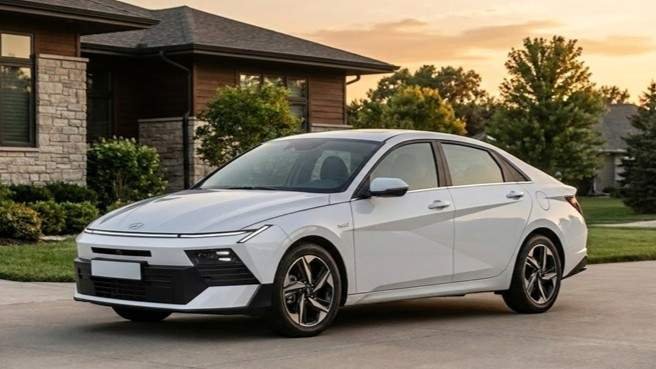
The 2027 Hyundai Elantra builds on the polarizing yet highly successful “Parametric Dynamics” design language that made the current generation a standout. Designers have refined the sharp creases, light signatures, and overall proportions to create a more mature, aerodynamic, and premium appearance while keeping the car instantly recognizable.
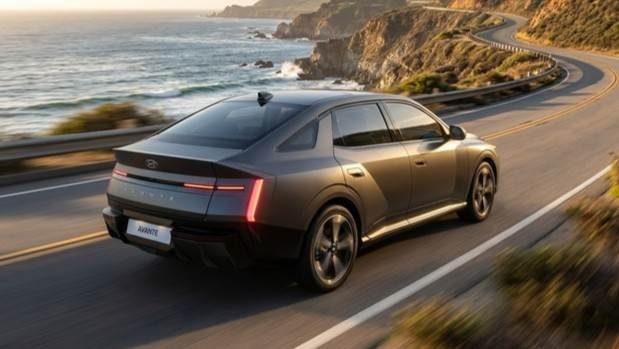
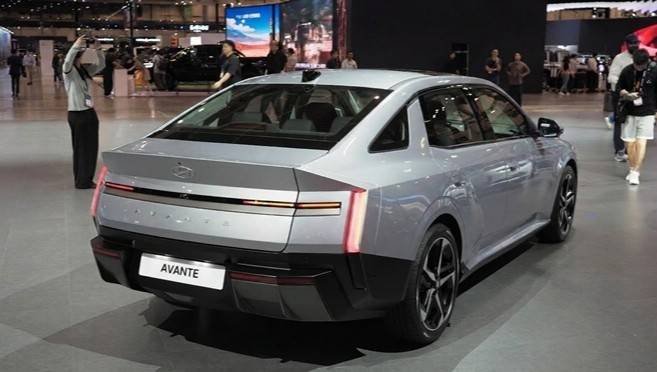
The front end features a more sophisticated interpretation of the cascading grille (now mostly closed for better aero on hybrid models) with sharper LED headlights and a distinctive daytime running light signature that can be customized via the Bluelink app. The side profile retains the strong character line that runs from the front fender to the rear quarter, but with tighter surfacing and a slightly lower stance for improved presence. The rear gets a cleaner full-width LED taillight design and a more integrated diffuser. In the U.S. market the Elantra will continue to offer high-impact colors, new matte options, and available two-tone roofs on higher trims. The result is a compact sedan that looks more expensive and athletic than its price suggests—perfect for younger buyers and style-conscious families alike.
Exterior Details
Built on Hyundai’s proven front-wheel-drive architecture with extensive high-strength steel, the 2027 Hyundai Elantra receives aerodynamic improvements including active grille shutters, a flatter underbody, optimized mirrors, and revised rear spoiler elements. These changes contribute to better highway efficiency and lower wind noise—important for long American commutes and road trips.
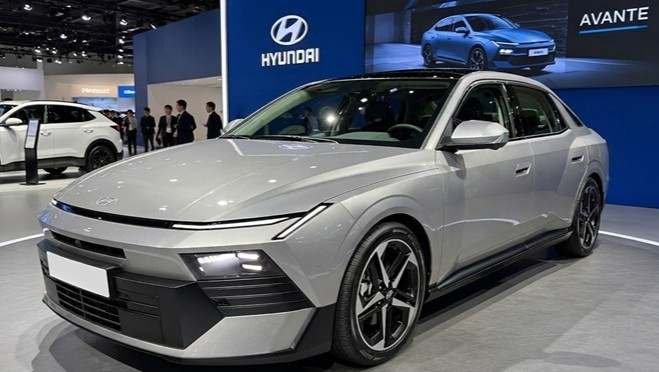
Full LED lighting becomes standard across more of the lineup, with available adaptive or sequential turn signals. Wheel designs range from 16-inch aero-efficient covers on hybrid models to 18- or 19-inch dark alloys on N Line and Limited trims, wrapped in low-rolling-resistance all-season tires tuned for U.S. conditions. Available features include a power sunroof, hands-free smart trunk, and new exterior lighting animations.
A projected “Night Edition” or dark-appearance package adds blacked-out badges, unique wheels, and darker trim, while the N Line continues to offer sportier bumpers, a rear spoiler, dual exhaust tips, and unique badging. These exterior updates make the Elantra look fresher and more premium in suburban driveways and city streets without losing the dramatic flair that sets it apart from conservative rivals.
Powertrains and Hybrid Options
The 2027 Hyundai Elantra expands Hyundai’s hybrid-first strategy for the U.S. market. The standard powertrain remains a refined 2.0-liter naturally aspirated four-cylinder paired with a CVT, delivering adequate power and excellent reliability. The star of the lineup, however, is the updated hybrid system.
The Elantra Hybrid pairs a 1.6-liter Atkinson-cycle engine with a new electric motor and a higher-capacity lithium-ion battery, targeting combined output of around 145–160 horsepower with significantly improved real-world efficiency. Hyundai is expected to push EPA estimates into the mid-50s mpg combined on front-wheel-drive hybrid models—class-leading numbers that translate into major fuel savings for high-mileage American drivers. A more powerful hybrid variant or performance-oriented tune for the N Line Hybrid is also under consideration.
The fun-to-drive Elantra N Line continues with its 1.6-liter turbocharged engine (around 200+ horsepower), now potentially offered with mild-hybrid assistance for better response and efficiency. The full-// Elantra N may receive power and chassis upgrades to stay competitive. No plug-in hybrid is expected for 2027 (Hyundai reserves PHEV tech for larger models), keeping the regular hybrid simple, lightweight, and affordable. Drive modes (Eco, Normal, Sport, and Smart) adjust throttle, transmission, and steering feel. These powertrain choices give U.S. buyers outstanding efficiency without sacrificing the engaging character that has won the Elantra so many fans.
AWD Features
Unlike some crossovers, the Elantra remains front-wheel-drive only for 2027. Hyundai has chosen to prioritize efficiency, lower weight, and cost over all-wheel drive in this compact sedan segment. However, the car receives significant improvements in traction and stability systems.
An enhanced all-weather traction mode, smarter electronic stability control, and available snow/wet driving logic help the Elantra feel more secure in rain and light snow common across much of the United States. The hybrid system’s instant electric torque actually improves low-speed traction compared with the pure gas model. While true AWD is unavailable, the refined chassis, available wider tires on N Line models, and advanced driver aids make the Elantra surprisingly capable in daily American driving conditions. Buyers who absolutely need AWD will still look to the Tucson or Kona, but most Elantra shoppers will appreciate the efficiency and handling benefits of the lighter FWD layout.
Interior and Technology
Inside, the 2027 Hyundai Elantra takes a clear step up in perceived quality and technology. Higher-grade soft-touch materials, improved sound insulation, available contrasting stitching, and more sophisticated ambient lighting create a cabin that feels closer to more expensive cars. Seating is more supportive for long drives, with available heating, ventilation, and power adjustments. Rear-seat space remains one of the best in the class— a major advantage for families and ride-share drivers.
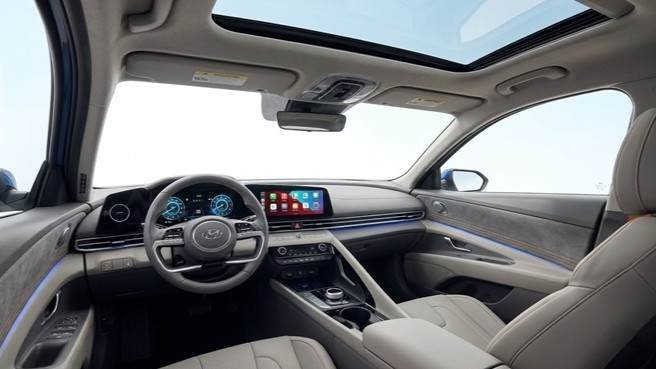
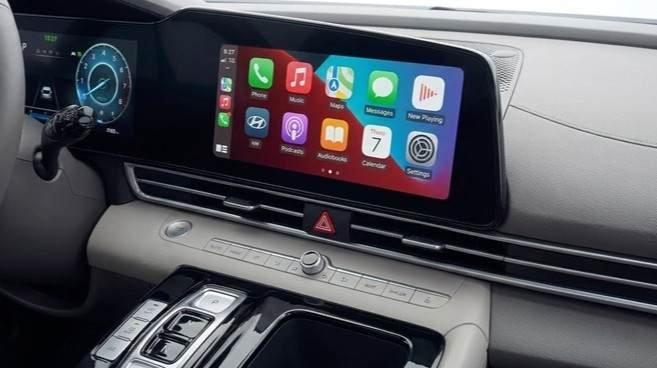
The technology suite is anchored by dual wide screens: a fully digital instrument cluster and a larger center touchscreen (projected 10.25 to 12.3 inches) running Hyundai’s latest ccOS-based system. Wireless Apple CarPlay and Android Auto, faster processors, over-the-air updates, and a cleaner interface come standard on most trims. A Bose premium audio option, multiple USB-C ports, a Wi-Fi hotspot, and an available head-up display address modern connectivity needs.
Unique projected U.S.-focused features include enhanced Bluelink remote services with better cabin preconditioning, Digital Key 2.0 smartphone access, a clearer 360-degree camera system, and expanded voice recognition. Highway Driving Assist 2 and remote smart parking improve convenience. Physical controls for climate and volume remain alongside the touchscreen because Hyundai understands real-world usability. The result is a cabin that feels more premium, quieter, and more user-friendly for daily commuting and road trips.
Upgrades and Package Strategy
Hyundai is expected to keep a clear trim structure—SE, SEL, Limited, N Line, and the high-performance N—while offering value-packed packages. Popular options will include a Convenience package, a Technology package (larger screens, Bose audio, advanced driver aids), a Cold Weather package (heated seats, heated steering wheel, dual-zone climate), and appearance packages such as the Night Edition.
The N Line receives sport seats, unique interior trim, paddle shifters, and a firmer suspension, while the full Elantra N adds even more aggressive seats, a limited-slip differential, and track-focused calibration. These factory upgrades allow buyers to tailor the Elantra for maximum efficiency, daily comfort, or weekend fun while preserving Hyundai’s excellent warranty coverage.
2027 Hyundai Elantra Specs
| Category | Specification |
|---|---|
| Platform | Hyundai front-wheel-drive architecture |
| Powertrains | 2.0L Inline-4 / 1.6L Turbo / Hybrid |
| Hybrid System | 1.6L Atkinson-cycle + Electric Motor |
| Hybrid Output | 145 – 160 hp combined (estimated) |
| 2.0L Gas Output | Approx. 147 hp |
| 1.6L Turbo (N Line) | 200+ hp (estimated) |
| Elantra N (Performance) | 280 – 300+ hp (estimated) |
| Transmission | IVT (CVT) / 7-speed DCT / 6-speed manual (N) |
| Drivetrain | Front-Wheel Drive |
| Drive Modes | Eco, Normal, Sport, Smart |
| 0-60 mph | High-7s (Hybrid) / mid-6s (N Line) / low-5s (N) |
| Fuel Economy (Hybrid est.) | Mid-50s mpg combined |
| Fuel Economy (Gas est.) | Mid-to-high 30s mpg combined |
| Suspension | Independent MacPherson strut front / torsion beam or multi-link rear |
| Brakes | Four-wheel disc |
| Wheels & Tires | 16-inch (Hybrid aero) to 18–19-inch alloys |
| Tech Features | Digital Key 2.0, Bluelink remote services & preconditioning, 360° camera, Highway Driving Assist 2, remote smart parking |
| Safety | Hyundai SmartSense (latest generation) |
| Cargo Space | Competitive trunk volume |
| Pricing (U.S. MSRP projected) | $22,000 – $35,000+ |
| Key Trims / Packages | SE, SEL, Limited, N Line, N |
| Target On-Sale | 2027 model year |
Market Position
Projected pricing for the 2027 Hyundai Elantra is expected to start in the low $20,000 range and climb to the mid-$30,000s for loaded N Line or Limited hybrid models (before incentives). It targets young professionals, first-time new-car buyers, small families, and anyone seeking maximum style, tech, and efficiency per dollar.
Hyundai’s strong warranty (5-year/60,000-mile basic and 10-year/100,000-mile powertrain), improving residual values, expanding dealer network, and high owner satisfaction scores give the Elantra a practical edge. It sits as a more stylish and better-equipped alternative to the Toyota Corolla and Honda Civic while remaining more affordable than many European compact cars. In a segment increasingly challenged by crossovers, the Elantra continues to prove that a well-executed sedan still has strong appeal.
Key Rivals
Primary rivals include the Toyota Corolla (legendary reliability and hybrid efficiency, more conservative design), Honda Civic (excellent driving dynamics and resale, higher price), Mazda3 (premium interior and handling, less rear space), Nissan Sentra (value pricing, less refinement), Kia K4 (sibling with different styling), and the Volkswagen Jetta (spacious and comfortable, less tech and style).
The Elantra’s expected advantages are bolder design, class-leading hybrid fuel economy, more standard tech and safety features, a roomier back seat, and stronger value. Its challenges include matching Toyota’s long-term reliability perception and the Civic’s engaging driving experience. For buyers who prioritize style, features, efficiency, and warranty coverage, the 2027 Hyundai Elantra remains one of the smartest choices in the segment.
The 2027 Hyundai Elantra is not a radical redesign—it is a carefully evolved compact sedan that fixes remaining owner pain points while amplifying what already made it a standout. Sharper design, a more efficient and refined hybrid system, a quieter and more tech-rich interior, improved dynamics, and thoughtful upgrade paths position it as America’s most well-rounded and desirable compact sedan.
Exact horsepower figures, fuel-economy ratings, dimensions, features, and pricing will be confirmed closer to Hyundai’s official reveal. What is already clear is the intent: keep the Elantra as the stylish, efficient, feature-packed sedan that delivers outstanding value for U.S. buyers. For drivers who still prefer a car over a crossover and refuse to sacrifice design or technology, the 2027 Hyundai Elantra looks ready to continue its winning streak.
Related Post