
Toyota is pushing back hard against fresh reports that its first three-row electric SUV, the Highlander EV, has been delayed again. According to a September 2 report from Nikkei Asia, production at the Georgetown, Kentucky plant — Toyota’s first U.S.-built EV — has slipped several months, pushing the launch into “2027 or later.”
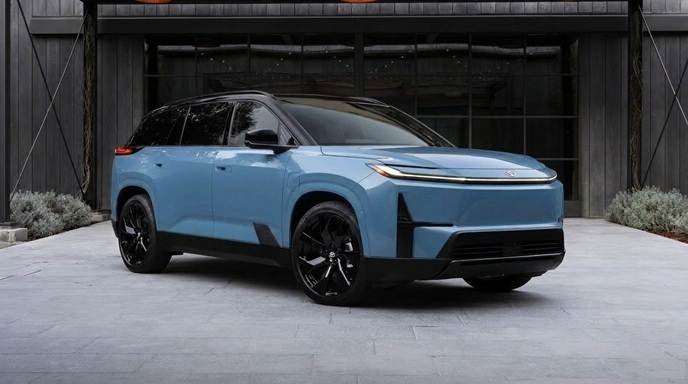
A Toyota spokesperson quickly moved to clarify the situation, telling media outlets that the company is not announcing any new postponement beyond the adjustments already disclosed earlier this summer. The denial comes as U.S. buyers wait to see whether Toyota’s cautious approach to electrification will finally deliver a practical, family-friendly electric three-row SUV — or keep kicking the can down the road.
The 2027 Toyota Highlander EV was originally slated for late 2026 deliveries as the brand’s first battery-electric three-row model built on American soil. It shares a modified TNGA-K platform with the upcoming Lexus TZ and Subaru Getaway. Expected specs include a choice of 77 kWh or 95.8 kWh battery packs, up to 320 miles of range in certain configurations, and standard features like a 14-inch touchscreen with wireless Apple CarPlay/Android Auto.
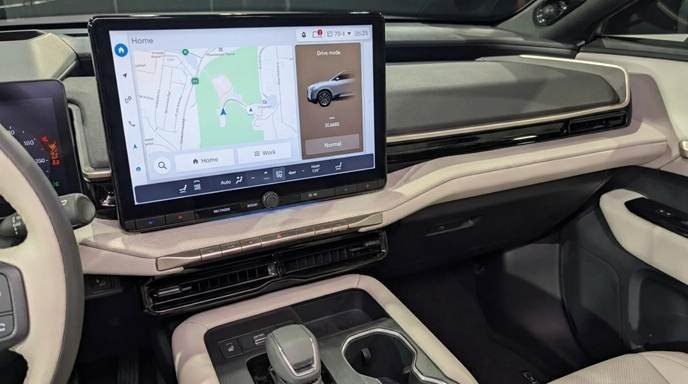
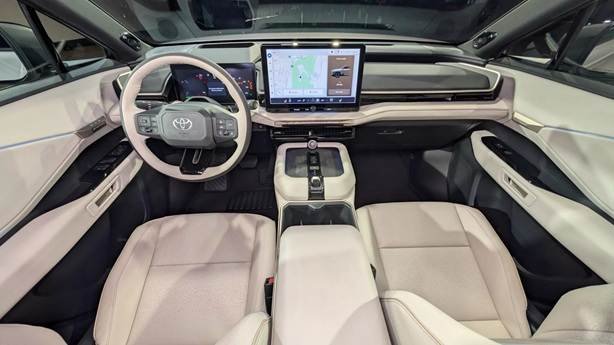
In July 2026, Toyota confirmed an initial delay of at least eight weeks for “additional adjustments” before launch. That pushed the earliest realistic arrival into early 2027 while allowing the current gas and hybrid Highlanders to continue production through the end of 2026.
The latest Nikkei reporting suggests the slippage is more significant than previously acknowledged, with production now expected to start several months later than the revised plan. Toyota’s denial aims to reassure dealers and customers that no further formal delay has been declared, but it hasn’t provided a firm new on-sale window either.
For U.S. buyers, the Highlander name carries serious weight. The current gas and hybrid versions remain strong sellers, with hybrid demand especially robust as families seek efficiency without range anxiety. The EV version was supposed to offer the same three-row practicality — seating for six or seven, generous cargo space, and a familiar driving experience — but in fully electric form with bidirectional charging and up to 320 miles of range.
The delay leaves a gap in Toyota’s lineup at a time when competitors are moving faster. The Kia EV9, Hyundai Ioniq 9, and upcoming models from Chevrolet, Volkswagen, and others are already staking claims in the three-row EV segment. Toyota’s slower rollout risks ceding ground in a category where American families are increasingly open to electric options, provided the vehicle feels like a “real” SUV rather than a compromised experiment.
Toyota has been refreshingly candid about its strategy: hybrids are still the volume play in the U.S. Through mid-2026, the company sold more Highlanders and Grand Highlanders in the first half of the year than its entire EV lineup combined. The brand’s updated bZ models have shown stronger sales traction lately, but the three-row EV space remains a higher-risk bet.
The Georgetown plant delay also highlights the challenges of scaling new EV production in the U.S. This is Toyota’s first time building a battery-electric vehicle domestically, and the same line will eventually support the Lexus and Subaru variants. Any hiccup in supplier readiness, battery integration, or quality validation ripples across multiple brands.
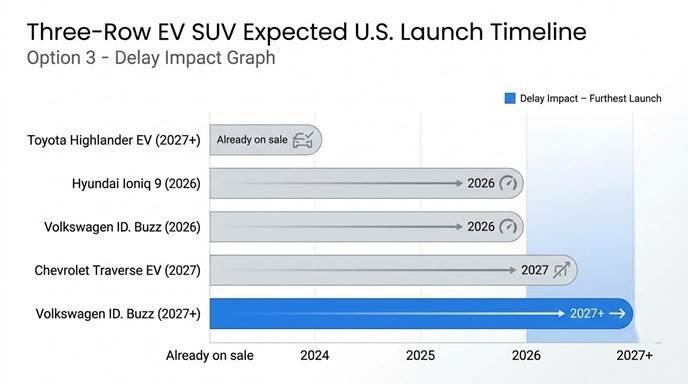
If you’re in the market for a three-row Toyota, the gas or hybrid Highlander remains the safe, immediate choice. Production of those models continues, and strong inventory should keep deals competitive well into 2027. For those specifically waiting on the EV version, the latest denial buys a little breathing room — but don’t expect firm 2027 timing announcements anytime soon. Toyota is clearly prioritizing getting this one right over rushing it to market, especially with its reputation for reliability on the line.
The Highlander EV story is a microcosm of the broader U.S. EV transition: big promises, cautious execution, and a healthy respect for what American buyers actually want right now — practical vehicles that don’t force major compromises. Toyota’s denial may calm nerves in the short term, but the longer the wait stretches, the more the competition benefits.
Toyota has said it will provide updated timing once production start is confirmed. For now, the hybrid Highlander looks like the smartest play for most U.S. families who need three rows today.
Related Post