
The 2027 Ford Explorer arrives as a refined carryover model rather than a revolutionary redesign. While YouTube thumbnails and AI-generated renders promise dramatic new styling, hybrid powertrains, and futuristic tech, reputable sources confirm minimal changes for the 2027 model year.
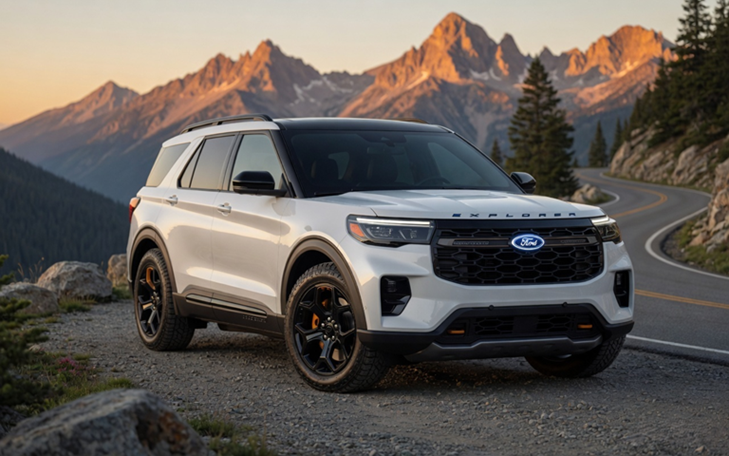
Ford is delivering a highly polished version of its popular three-row midsize SUV on the current platform. This approach gives buyers a dependable, powerful, and feature-rich family hauler before a more significant redesign expected around 2029.
With estimated starting prices around $41,000 and top trims reaching the mid-to-high $50,000s, the Explorer continues to appeal to those who want strong performance, solid towing, available all-weather capability, and modern tech without waiting for the next generation.
Order banks have opened, with production ramping up later in 2026 for early 2027 deliveries. This makes the 2027 Explorer an excellent choice for buyers seeking immediate availability and proven reliability.
What’s New for the 2027 Ford Explorer?
According to Car and Driver and other automotive analysts, there are no significant mechanical or structural updates for 2027. It carries over the refinements introduced in recent model years, including updated interior materials, available Tremor off-road package, and enhanced driver assistance features.
Minor adjustments may include packaging tweaks (such as sunroof or audio options) and trim-specific equipment, but the core vehicle remains consistent. This stability is actually a strength—Ford has had years to iron out any early issues on this generation, resulting in a mature product.
Ford Authority has noted that hybrid rumors for 2027 are unfounded, and a full redesign (potentially with new powertrains) is slated for later. Buyers get a battle-tested SUV with strong real-world performance data behind it. The platform’s durability is further proven by its popularity with police departments as the Police Interceptor Utility.
Exterior Design and Details
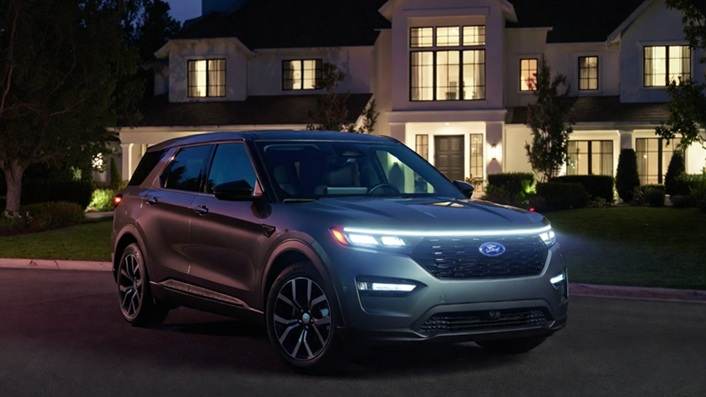
The 2027 Explorer retains its bold, modern stance with a prominent grille, sleek LED headlights, and sculpted body lines that give it a commanding road presence. Higher trims add sporty or rugged accents.
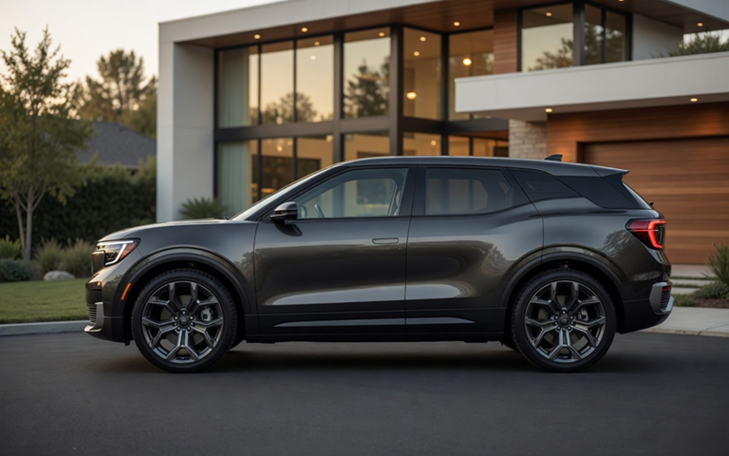
- Active and ST-Line: Clean, family-oriented styling with available 18- to 20-inch wheels.
- Tremor: Rugged appearance with unique badging, all-terrain tires, increased ground clearance, and protective cladding for light off-road use.
- ST and Platinum: More aggressive wheels, dark accents, and premium details.
LED lighting is standard across the lineup for better visibility and a modern look. A power liftgate is widely available, and panoramic roof options enhance the open-air feel. Aerodynamics support respectable highway efficiency for a vehicle of its size.
Overall, the exterior strikes a balance between family practicality and visual appeal without drastic changes. It continues to turn heads while remaining functional for daily driving and weekend adventures.
Powertrain Options: Strong Gas Engines
The 2027 Explorer offers two potent gasoline powertrains paired with a smooth 10-speed automatic transmission. Rear-wheel drive is standard, with all-wheel drive available.
Standard Engine (most trims): 2.3-liter turbocharged inline-four
- 300 horsepower and 310 lb-ft of torque
- Strong low-end pull for merging and passing
- EPA estimates up to 20 city / 29 highway mpg (RWD); real-world highway testing has shown strong results around 28 mpg at steady speeds
Performance Option (standard on ST, available on others): 3.0-liter twin-turbo V6
- 400 horsepower and 415 lb-ft of torque
- Quick acceleration (0-60 mph in about 5.1 seconds in tested ST models)
- More engaging character, especially in the ST
Both engines deliver confident performance. The V6 transforms the Explorer into a legitimate performance SUV while maintaining the same 5,000-pound towing capacity when properly equipped with the Class III Trailer Tow Package (included or available across trims).
There is no hybrid powertrain offered for the 2027 Explorer. Despite widespread online speculation, Ford has no plans to introduce one this year. The company is focusing hybrid and electrification efforts elsewhere for now, with potential future powertrain advancements (including possible EREV/range-extender concepts mentioned by leadership) likely tied to the next-generation model.
Fuel economy is respectable for the class and power levels but trails dedicated hybrids like the Toyota Grand Highlander Hybrid. Real-world owners often report good highway efficiency, making it suitable for road trips when combined with the comfortable cabin.
Interior, Comfort, and Technology Features
The Explorer’s cabin prioritizes space and functionality for families. The first and second rows offer generous room for adults, with supportive seats ideal for long drives. A second-row bench is available in some configurations for maximum seating (up to 7 passengers), though captain’s chairs are common.
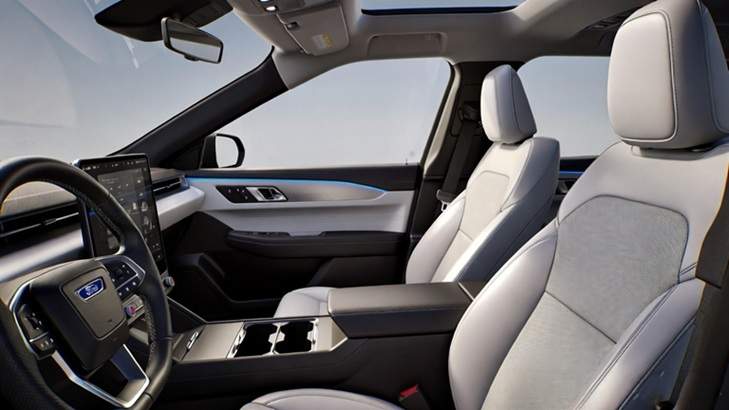
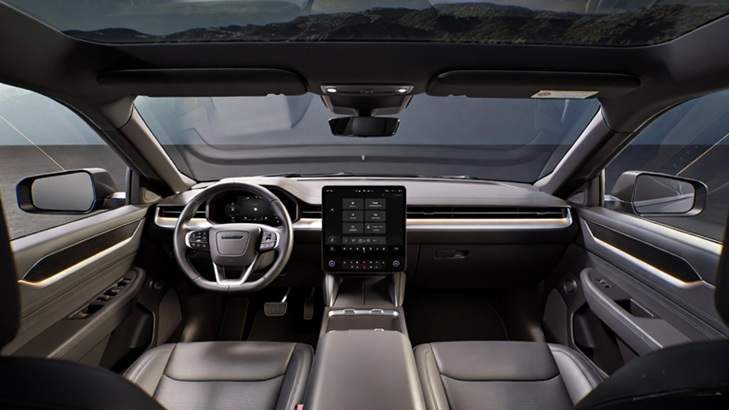
The third row is best suited for children or shorter trips—taller passengers will find it tight, a common trait in this segment. Easy-access mechanisms help with entry/exit.
Cargo space is practical: expect around 16–18 cubic feet behind the third row and up to roughly 85 cubic feet with rear seats folded. It easily accommodates strollers, luggage, or gear for family outings.
- Large 13.2-inch touchscreen with wireless Apple CarPlay and Android Auto
- Available Bang & Olufsen premium audio (up to 14 speakers)
- Multiple USB ports (including rear) and 12-volt outlets
- Driver assistance suite with standard automatic emergency braking, lane-keeping assist, and adaptive cruise control
- Optional hands-free highway driving capability for reduced fatigue on long trips
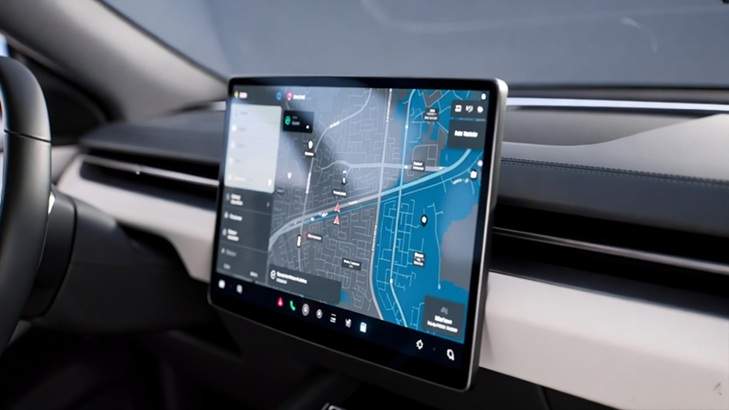
Interior materials have improved with more soft-touch surfaces in recent updates. Higher trims add nicer stitching, available massaging seats (on some packages), and premium color schemes. While it doesn’t feel as overtly luxurious as some Korean rivals, it’s comfortable, well-equipped, and driver-focused.
Wireless charging is notably absent in current configurations—a minor miss for some buyers.
AWD Details and Capability
The available Intelligent 4WD (often referred to as Intelligent AWD) is a sophisticated on-demand system. It primarily sends power to the rear wheels (or maintains efficient bias) under normal conditions and automatically distributes torque to the wheels with the best grip.
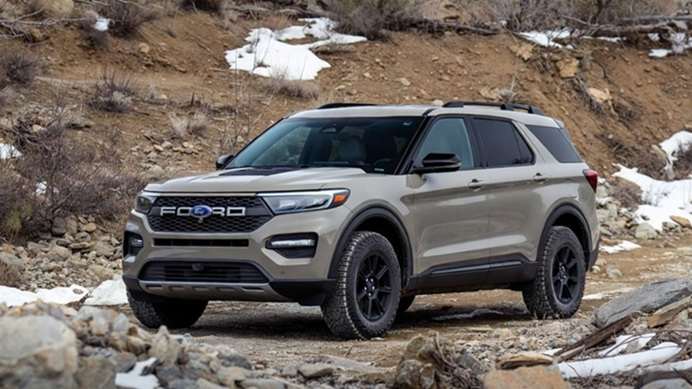
The system constantly monitors wheel speed, steering angle, throttle input, and other data to proactively manage traction—helping prevent slip before it happens. This makes it excellent for rain, snow, light gravel, or highway stability.
It pairs well with available Terrain Management System modes (Normal, Sport, Eco, Slippery, etc.) on equipped models. The Tremor package adds further capability with off-road-tuned suspension, all-terrain tires, and protective elements for trails, campsites, or snowy driveways.
While not a body-on-frame off-roader with low-range gearing, the Explorer with Intelligent 4WD and Tremor offers more versatility than many crossover rivals. It’s a capable all-weather family SUV that can handle occasional adventures without sacrificing on-road manners.
2027 Ford Explorer Specs
| Category | Details |
|---|---|
| Model Year | 2027 (Carryover model – no major redesign) |
| Body Style | 3-row midsize SUV |
| Seating Capacity | 6–7 passengers (2nd-row captain’s chairs standard; bench available) |
| Engines | 2.3L Turbo I4 (standard): 300 hp / 310 lb-ft 3.0L Twin-Turbo V6 (ST & optional): 400 hp / 415 lb-ft |
| Transmission | 10-speed automatic |
| Drivetrain | Rear-Wheel Drive (standard) Intelligent 4WD / AWD (available) |
| Towing Capacity | Up to 5,000 lbs (Class III package) |
| Fuel Economy (EPA est.) | Up to 20 city / 29 hwy / 24 combined mpg (RWD 2.3L) Lower with V6 or AWD |
| Infotainment | 13.2-inch touchscreen |
| Hybrid | Not available for 2027 |
| Estimated Pricing | $41,000 Top trims (ST) up to ~$57,000 |
| Next Redesign | Expected around 2029 |
Rivals: Advantages and Disadvantages
The 2027 Explorer competes in a crowded midsize three-row SUV segment against strong players like the Kia Telluride, Hyundai Palisade, Toyota Highlander/Grand Highlander, Chevrolet Traverse, and Volkswagen Atlas.
Explorer Advantages:
- More powerful engine options (especially the 400-hp V6 ST) for quicker acceleration and confident passing/towing.
- Strong 5,000-lb towing capacity across powertrains.
- Engaging driving dynamics, particularly in ST and Tremor variants.
- Good value with strong standard equipment and performance.
- Proven platform with real-world durability data (including police use).
Explorer Disadvantages:
- No hybrid option, so fuel economy lags behind Toyota hybrids.
- Third-row space is tighter than in the Traverse or Atlas for adults.
- Interior materials and overall luxury feel trail the Telluride/Palisade in top trims.
- Average warranty compared to Kia/Hyundai’s industry-leading coverage.
- Some rivals offer more refined rides or upscale cabins.
Telluride/Palisade: Often win on interior quality, ride comfort, warranty, and styling. They feel more premium but offer less outright power in base form. Highlander/Grand Highlander: Excel in reliability reputation and hybrid efficiency. Less exciting to drive and generally less powerful. Traverse/Atlas: Prioritize maximum interior space and third-row comfort.
The Explorer stands out for buyers who prioritize performance, towing, and all-weather capability over maximum refinement or efficiency.
| Trim | Engine | Est. Starting Price |
|---|---|---|
| Active | 2.3L I4 | ~$41,000 |
| ST-Line | 2.3L I4 | Mid $40Ks |
| Tremor | 2.3L or 3.0L V6 | ~$51,000 |
| Platinum | 2.3L or 3.0L V6 | ~$53,000 |
| ST | 3.0L V6 (std) | ~$57,000 |
Who Is the 2027 Ford Explorer For?
This SUV is ideal for:
- Growing families needing three rows and versatile cargo space.
- Drivers who tow trailers, boats, or campers (up to 5,000 lbs).
- Those in regions with snow, rain, or varied weather who want capable AWD.
- Performance enthusiasts who appreciate the ST’s power and handling.
- Ford loyalists or buyers who value strong acceleration and a commanding driving position.
- Shoppers wanting immediate availability of a refined, proven model rather than waiting for future redesigns.
It’s less ideal for buyers prioritizing class-leading fuel economy, the most spacious third row, or top-tier luxury appointments.
Competition and Market Position
The Explorer holds a strong position in the U.S. midsize three-row SUV market thanks to its combination of power, capability, and brand heritage. It appeals to buyers who want more than basic transportation—offering genuine performance and versatility in a segment where many competitors emphasize comfort and efficiency.
As the automotive industry navigates shifting consumer preferences toward hybrids and electrification, the Explorer’s robust gas powertrains provide a compelling alternative for those who need capability today. Its carryover status for 2027 positions it as a low-risk choice with years of refinement behind it.
Ford continues to support the nameplate strongly, and the upcoming redesign will likely bring new powertrains and design language. For now, the 2027 model delivers excellent real-world value and capability.
FAQ /Frequently Asked Questions
Q.1.Is there a hybrid version of the 2027 Ford Explorer?
No. Despite online rumors, Ford has confirmed no hybrid powertrain for 2027. A redesign with potential new powertrains is expected later.
Q.2. What is the towing capacity?
Up to 5,000 pounds when properly equipped with the Class III Trailer Tow Package.
Q.3. How much does the 2027 Explorer cost?
Estimated starting MSRP around $41,000 for base Active models, rising to approximately $57,000 for the ST, depending on options and location.
Q.4. Is the third row comfortable for adults?
It’s best for children or shorter trips. Adults will find it snug compared to some rivals like the Traverse or Atlas.
Q.5. Does it have hands-free driving?
Yes, higher trims or packages offer advanced driver assistance with hands-free highway driving capability.
Q.6. What’s the fuel economy like?
Up to 20 city / 29 highway mpg (RWD 2.3L). Real-world highway figures are often strong. The V6 and AWD models are less efficient.
Q.7. When will the next Ford Explorer redesign arrive?
A full redesign is currently expected around 2029.
The 2027 Ford Explorer may not deliver the flashy redesign many speculated about, but it offers something arguably better: a mature, capable, and powerful three-row SUV that’s ready to work for families right now. With strong engines, versatile capability, modern tech, and competitive pricing, it remains a top contender in its class.
If you need performance, towing ability, or all-weather confidence without compromise, the Explorer deserves a close look. Test drive one—especially the ST or Tremor—to experience its strengths firsthand. As the current generation winds down before the next big leap, the 2027 model represents excellent value for buyers who want proven capability today.
For the latest pricing, incentives, and availability, check with your local Ford dealer or Ford’s official configurator. The Explorer continues to prove why it’s been a family favorite for decades.
Related Post