
Six hundred horsepower still stops the scroll. Say 2027 Dodge Charger Super Bee out loud and that number does most of the marketing work before anyone mentions chassis tuning, thermal capacity, or how the car puts power down exiting a corner. It is a clean, brutal headline in a segment that has always sold emotion first.
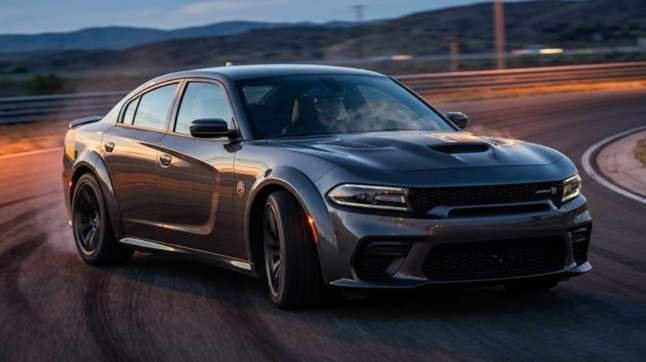
The more important story around the 2027 Dodge Charger Super Bee is everything Dodge had to engineer around those 600 horses so a driver can actually use them—repeatedly, confidently, and without the car falling apart thermally, tractionally, or compositionally the moment the road stops being straight. Peak output gets you into the conversation. Cooling, drivetrain logic, tire grip, brake capacity, and chassis balance decide whether the car remains interesting after the first full-throttle pull. That is the real Super Bee argument: 600 hp is impressive, yet it is not necessarily the most important upgrade.
The 2027 Dodge Charger Super Bee Is About More Than a Horsepower Number
Within the new-generation Charger family, the Super Bee sits above everyday performance variants and below pure specialty halo thinking. It is Dodge’s way of saying the gasoline Charger still matters in a lineup that also includes electric Daytona models. The Super Bee name carries heritage weight—bold graphics, serious intent, street-and-strip credibility—but heritage alone does not make a modern performance car work.
Dodge’s decision to push a higher-output gasoline Charger makes strategic sense. Enthusiasts still want combustion character, turbine surge, and a mechanical relationship with the powertrain. At the same time, simply raising boost and celebrating a bigger number is how manufacturers create cars that feel fast in a straight line and messy everywhere else.
Additional power creates immediate demands:
- Cooling must reject more heat from engine, oil, intake charge, and transmission.
- Drivetrain components must survive higher torque loads and repeated launches.
- Traction systems and tire compounds have to convert power into motion instead of smoke.
- Brakes must absorb and dissipate energy that rises with speed and mass.
- Suspension has to control weight transfer when the chassis is working harder.
- Tires become the final bottleneck between engineering ambition and usable grip.
A serious performance Charger is therefore not defined by the press-release horsepower figure alone. It is defined by whether the rest of the car was redesigned to live with that figure. The Super Bee’s relevance depends on that systems-level approach.
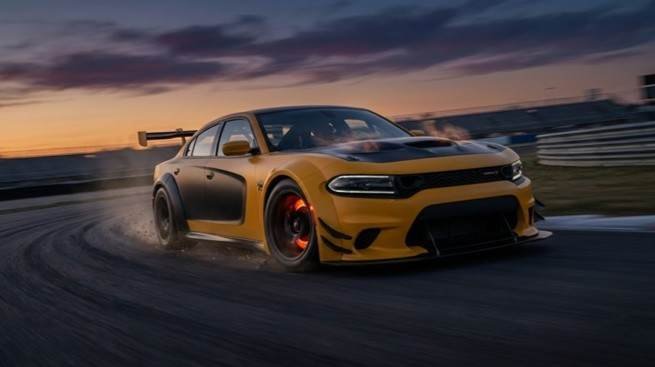
Where the 600 HP Comes From
How much horsepower does the 2027 Dodge Charger Super Bee have?
Dodge has positioned the Super Bee around a 600-horsepower output, placing it at the top of the gasoline Charger performance conversation. That figure is the headline specification enthusiasts immediately compare against Scat Pack and R/T models.
What engine does the 2027 Dodge Charger Super Bee use?
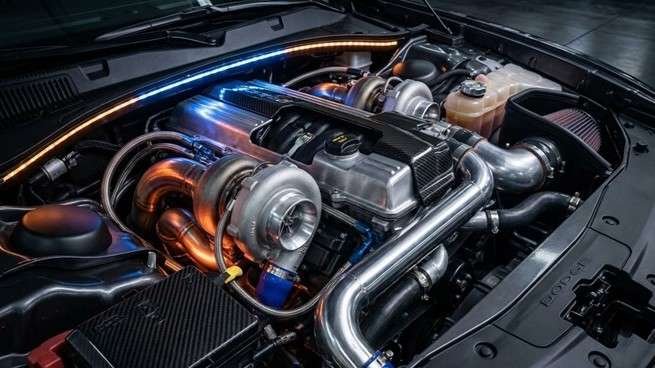
The Super Bee is tied to Dodge’s twin-turbocharged 3.0-liter inline-six Hurricane engine family, marketed in performance form under the Sixpack identity. It is a compact, modern six-cylinder architecture designed to deliver substantial output through boost, calibration, and thermal control rather than old-school displacement.
That last point matters. Previous-generation Charger and Challenger performance models built their reputations on large V8s. The new formula is different: fewer cylinders, forced induction, high specific output, and carefully managed airflow. Turbocharging allows a relatively compact engine to produce power once reserved for bigger naturally aspirated V8s, while also shaping torque delivery across a broad rev range.
In driver terms, that usually means strong midrange response when the turbos are in their effective operating window, with power that builds as shaft speeds rise and charge air remains under control. The transmission and final-drive calibration then determine whether that power feels explosive, progressive, or traction-limited.
Official public materials have emphasized the Hurricane’s role as the combustion heart of the new gas Charger range, with output tiers separating mainstream performance from higher-output variants. Where Dodge has confirmed Super Bee-specific hardware beyond the output target—exact torque, final drive ratios, or unique internal engine components—those details should be treated as model-specific and verified against the latest official order guides as they are released. As of the latest broadly published information, buyers should expect the Super Bee to represent the sharper edge of Sixpack performance rather than a mild calibration bump.
The practical takeaway is simple: 600 hp from a twin-turbo inline-six is not magic. It is airflow, fueling, ignition control, boost management, and heat rejection working together. The driver experiences that package as throttle response, boost consistency, and the car’s willingness to repeat hard runs without falling on its face.
The Bigger Story Is What Happens After the Engine Makes 600 HP
Producing 600 hp is only half the engineering problem. The other half is surviving it.
Once the engine can generate that output, the car becomes a heat machine, a traction puzzle, and a chassis-balance challenge. Power raises the stakes in every subsystem:
Heat accumulates quickly in turbocharged engines during repeated acceleration. Intake temperatures climb. Oil temperatures climb. Transmission fluid temperatures climb. If thermal management is inadequate, the car protects itself by reducing boost or retarding response—exactly when a driver wants consistency.
Traction becomes a negotiation between torque, tire contact patch, suspension geometry, and road surface. A rear-drive car with excess torque and street tires can become busy. An all-wheel-drive system can mask that, but only if the hardware and software are calibrated to distribute torque without dulling the car’s character.
Drivetrain loads rise with torque. Axles, differentials, clutch packs, and mounts all see greater stress during launches and aggressive shifts. Durability is not a brochure feature; it is what keeps a fast car feeling healthy after months of real use.
Braking forces scale with speed and kinetic energy. A car that accelerates harder must stop with equal seriousness, especially if track use is part of the mission. Fade resistance, pedal consistency, and cooling airflow matter more than a single big horsepower number.
Chassis balance determines whether the car feels planted or nervous when power meets corner exit. Suspension rates, damping, roll control, and tire sidewall behavior shape confidence more than peak dyno figures.
Tire grip remains the permanent governor. Without sufficient compound, width, and temperature control, 600 hp is partly theater.
This is why a powerful engine can make a vehicle harder to drive if the rest of the car is not engineered around it. The Super Bee’s credibility depends less on whether Dodge can advertise 600 hp and more on whether the car can deliver that output with composure. Enthusiasts eventually judge performance cars by repeatability: Can it do the run again? Can it brake with the same pedal? Can it put power down without drama? Does it still feel sharp after heat soaks in?
Those questions separate a horsepower special from a complete performance car.
AWD-to-RWD
Is the 2027 Dodge Charger Super Bee AWD or RWD?
The new-generation Charger performance story has heavily featured all-wheel-drive capability with rear-drive character as a configurable experience. Dodge has communicated AWD architecture with the ability to emphasize rear-drive behavior depending on mode and calibration. Buyers should confirm final Super Bee driveline configuration in official trim documentation, because availability can vary by package and market.
If the Super Bee follows the broader Charger performance logic, the interesting trick is not merely “AWD for grip.” It is the dual personality:
- AWD helps launches and traction by reducing wasted torque at the rear tires, improving exit stability, and making power more accessible in imperfect conditions.
- RWD changes the character of the car by altering how yaw builds, how the rear axle accepts throttle, and how much the driver is involved in balancing the chassis.
- Enthusiasts care about rear-wheel drive because it preserves a traditional muscle-car relationship between right pedal and rear grip—less filtration, more feedback, more responsibility.
- Drivetrain configuration affects handling through torque distribution, understeer/oversteer balance, and the timing of power delivery across axles.
- Mode switching increases versatility, letting one car serve as a foul-weather GT, a street performer, and a more playful driver-focused machine.
What should not be exaggerated is the idea that a mode button transforms the car into two completely different vehicles. Software and clutch-based systems can shift emphasis, improve launch effectiveness, and change throttle-to-yaw behavior, but tire compound, suspension setup, and mass distribution still dominate the driving experience. Dodge’s official descriptions should be read as traction-and-character management, not magic.
For the Super Bee specifically, AWD-to-RWD flexibility—if equipped as broadly described for the new Charger performance family—may matter as much as the horsepower figure because it determines how often a driver can actually use the engine. A 600-hp car that hooks up is faster in real life than a 600-hp car that constantly negotiates wheelspin.
The Track Package Could Matter More Than the 600 HP
What is the Track Package on the Super Bee?
A Track Package, in Dodge performance tradition, typically concentrates the hardware that makes power usable on a closed course: higher-capacity braking components, stickier tires, suspension revisions, enhanced cooling where specified, and driver-facing performance tools. Confirmed Super Bee Track Package content should be verified against Dodge’s official package list at release, since bundle contents can differ by model year.
Why might that package matter more than another 20 or 30 horsepower?
Because a performance car is defined by how effectively it can use its power—not simply by how much power it produces.
Consider what enthusiasts actually feel on a back road or track day:
- Upgraded braking hardware improves confidence on corner entry and resistance to fade over repeated stops.
- Performance tires raise the grip ceiling and sharpen response, often transforming the car more than a modest power increase.
- Suspension changes control pitch and roll, keeping the contact patches working.
- Cooling support protects output consistency when sessions stack up.
- Launch control (where equipped) standardizes grip-limited acceleration and reduces variability.
- Performance displays and drive recording tools, when offered, help drivers review behavior and extract more from the car.
In other words, Track Package equipment often determines whether the Super Bee is a straight-line statement or a repeatable performance machine. Horsepower creates speed potential. Track hardware creates trust.
If a buyer’s fantasy is one dramatic acceleration run, the engine number may dominate the decision. If the fantasy includes canyon roads, autocross, or open track lapping, the package that supports brakes, tires, and thermal stability can easily become the smarter headline.
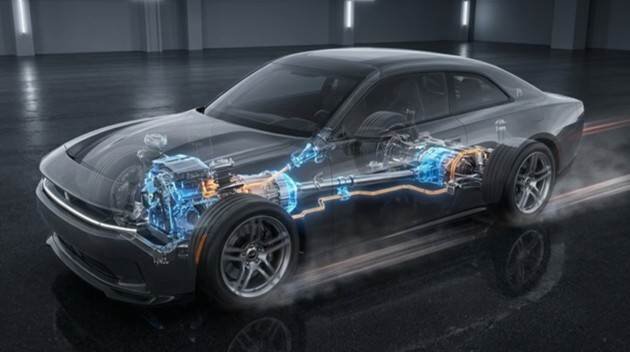
Why Cooling Becomes Critical at 600 HP
Thermal management is where brochure power meets physics.
When a turbocharged performance engine is pushed hard, several heat sources stack on top of each other. Combustion temperatures rise. Turbochargers add heat to the intake path. Oil absorbs load from bearings and turbo systems. The transmission converts repeated high-torque shifts into fluid temperature. Brakes convert kinetic energy into rotor and pad heat. Even the differential and tire carcasses become thermal participants.
For the driver, the symptoms of inadequate cooling are not abstract:
- boost becomes less consistent
- throttle response softens as protections engage
- oil temperature warnings appear
- brake pedal travel grows
- lap times stretch for reasons that have nothing to do with talent
Intercooling matters because intake air density affects power. Engine and oil cooling matter because component protection eventually overrides performance. Transmission heat matters because shift quality and durability depend on stable fluid temperatures. On repeated track sessions, these systems are not accessories; they are the difference between a car that stays fast and a car that survives in limp-home conservatism.
Only cooling hardware officially confirmed for the Super Bee should be described as Super Bee equipment. Broadly, however, any 600-hp twin-turbo performance sedan needs a serious thermal strategy. Casual buyers overlook this because a single street pull rarely reveals heat soak. Enthusiasts care because they buy cars for the fifth run, not the first.
If the Super Bee is meant to be more than a dyno champion, cooling is not a footnote. It is core architecture.
2027 Dodge Charger Super Bee vs R/T vs Scat Pack
The Super Bee is intended as the higher-intensity gasoline performance expression, with stronger output emphasis and a more track-capable mission than the Scat Pack’s already assertive positioning. The Scat Pack typically serves buyers who want serious pace without necessarily needing the top combustion tier. Exact feature breaks should be confirmed in official trim comparisons at launch.
| Feature | Charger R/T | Charger Scat Pack | Charger Super Bee |
|---|---|---|---|
| Engine | 3.0L twin-turbo I6 Hurricane / Sixpack family | Higher-output Sixpack Hurricane I6 | Top-tier Sixpack Hurricane performance calibration |
| Horsepower | Lower-output gas Charger tier (official R/T rating per Dodge) | Mid/high performance gas tier (official Scat Pack rating per Dodge) | 600 hp Super Bee positioning |
| Drivetrain | New Charger performance AWD architecture as equipped | Performance-oriented driveline as equipped | AWD-focused performance configuration with rear-drive character depending on final calibration |
| Performance focus | Accessible muscle, daily pace | Strong street performance | High-output street/track intent |
| Track equipment | Available performance options vary | Elevated performance hardware vs R/T | Track Package relevance highest here |
| Intended buyer | Drivers wanting gas Charger character without max intensity | Enthusiasts wanting major pace and presence | Buyers prioritizing usable top-end combustion performance |
Only include final published numbers from Dodge when completing a shopping decision. Output tiers and standard equipment can shift between announcement and production order guides.
Which buyer each version fits
The R/T makes the most sense for drivers who want the new Charger’s presence, combustion sound/character, and strong real-world pace without paying for the outermost performance envelope.
The Scat Pack fits buyers who want a clearly aggressive gas Charger—more authority, more hardware intent, and a stronger emotional punch—while still landing short of the Super Bee’s maximum combustion pitch.
The Super Bee fits the buyer who cares about the top gasoline statement and the supporting systems that make high output usable. It is not automatically “best.” It is best when the buyer’s priorities are high power, stronger performance hardware, and a more serious chassis mission.
Is 600 HP Actually Enough for the Modern Muscle-Car Era?
Horsepower inflation is real. Modern performance cars routinely advertise figures that would have been exotic special-edition territory a generation ago. All-wheel drive, better tires, faster-shifting transmissions, launch control, and improved chassis rigidity have also raised baseline expectation.
So is 600 hp “enough”?
It depends on what the number is asked to do.
Peak horsepower does not equal drama by itself. Acceleration is shaped by torque curve shape, gearing, launch traction, mass, aerodynamic drag, and shift strategy. A heavier car with weaker tires can make a big number feel ordinary. A well-geared car with superior grip can make a slightly lower number feel violent.
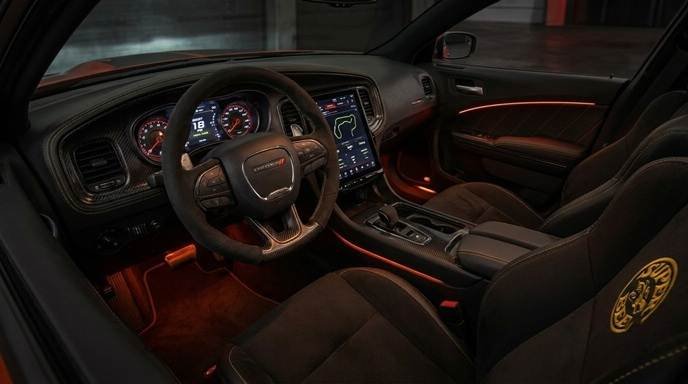
In the modern muscle-car era, the meaningful question is less “Does it have 600?” and more “Can the driver access a high percentage of that power in ordinary conditions, and does the car remain trustworthy when used hard?” That is where the Super Bee’s broader engineering matters. Dodge does not need to win a brochure war with every competitor if the Charger delivers authentic character, strong response, and hardware that supports repeated use.
Unsupported claims about exact acceleration times have no place here. Until Dodge publishes final tested figures, any 0–60 discussion remains incomplete. What can be said responsibly is that 600 hp is still a serious output level for a street car, especially when paired with modern traction systems and performance tires.
2027 Dodge Charger Super Bee vs the Daytona EV
The new Charger generation’s most interesting cultural tension is gasoline versus electric: Super Bee combustion intensity on one side, Daytona EV thrust on the other.
This is less a simple race of specifications and more a clash of philosophies.
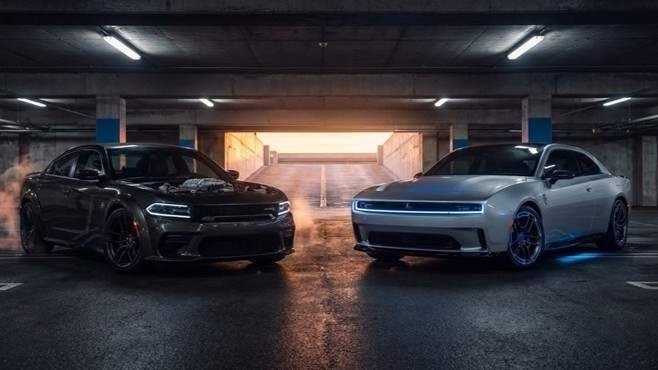
Gasoline power delivery in a twin-turbo Sixpack Charger is tied to boost build, exhaust note, mechanical vibration, and a rising powerband. The emotional signature includes sound, shift feel, and the sense of an engine working through air and fuel.
Electric torque delivery in the Daytona path is immediate, often more linear at low speed, and less dependent on traditional mechanical theater. Instant response can make a car feel devastatingly quick in everyday traffic without the same auditory drama.
Sound and character remain decisive for many muscle-car buyers. Some drivers want turbines, overrun, and combustion presence. Others are ready for a new soundtrack and synthetic reinforcement.
Weight is a structural issue in EV performance cars because battery mass changes suspension demands, brake energy, and handling inertia. Gas cars have their own mass challenges, but the distribution and total weight profile differ.
Charging versus refueling affects real trip behavior. Refueling remains faster and more familiar for long-distance combustion travel. Home charging can reverse that advantage in daily commuting for EV owners with reliable access.
Range considerations influence weekend usability and spontaneous route changes. Official range figures should only be discussed from published EPA values for specific Daytona variants.
Enthusiast appeal splits by values: mechanical romance versus technological thrust.
Everyday usability may favor whichever powertrain better matches the owner’s infrastructure and patience for thermal or charging constraints.
Some buyers will still prefer the Sixpack-powered Charger precisely because it preserves combustion ritual in an electrified performance market. The Super Bee’s job is to make that preference feel modern rather than nostalgic—high output, current chassis thinking, and drivability that does not require excuses.
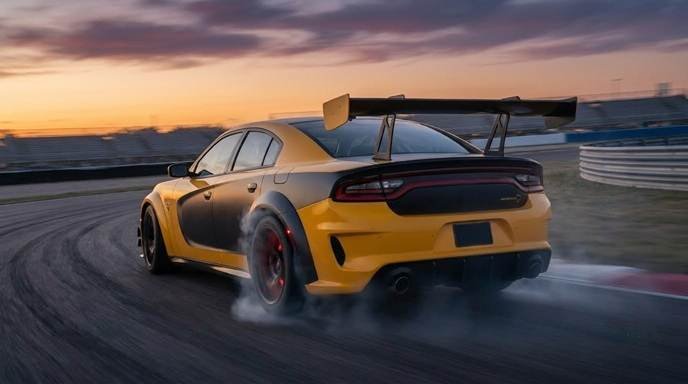
What Makes the Super Bee Different From a Normal High-Output Charger?
A normal high-output Charger can be created with more boost and a louder exhaust. A Super Bee-level variant has to bring multiple systems together.
The difference is philosophical:
- output is paired with thermal capacity
- traction strategy is treated as part of performance, not an afterthought
- brakes and tires are considered pace equipment
- chassis tuning is expected to manage higher forces
- driver modes are used to shape character without hiding fundamental hardware limits
- package options exist to push the car toward track competence
The Super Bee is not merely an engine with more boost. It is a claim that Dodge still understands performance as an integrated product. Whether that claim lands will depend on final production execution—ride quality versus control, software calibration, and the honesty of its track-oriented equipment.
Conceptually compared with previous-generation Charger/Challenger performance models, the new formula trades classic V8 displacement culture for twin-turbo six-cylinder specific output and a more advanced driveline brief. The emotional continuity is attitude. The technical continuity is not identical, and buyers should not expect the old car in a new skin.
Yes, 600 hp matters. It signals intent. It tells the audience that Dodge is unwilling to let the gasoline Charger become a midpack afterthought. It gives the Super Bee immediate identity in search results, conversations, and parking-lot debates.
But the number’s deeper value is indirect. A manufacturer that commits to 600 hp must also confront the consequences of 600 hp. That pressure can force better cooling, more serious brake options, smarter traction logic, and package content that enthusiasts can feel. The headline creates obligation.
This is why the Super Bee story should not end at the dyno graph. If the supporting hardware is thorough, the horsepower figure becomes a gateway to a broader performance experience. If the supporting hardware is thin, the figure becomes a short-term marketing spike. Analytical bottom line: 600 hp is a promise. The chassis, cooling, drivetrain, and Track Package content are the proof.
Is the 2027 Dodge Charger Super Bee Worth Waiting For?
The Super Bee is worth close attention if you are:
- a muscle-car enthusiast who still wants gasoline character
- a performance driver who cares about usable output, not just peak claims
- a buyer specifically shopping a combustion 2027 Dodge Charger rather than an EV path
- someone intrigued by AWD traction with rear-drive attitude
- a track-day participant who values brakes, tires, and cooling as much as thrust
It may not be the right wait if you primarily want effortless daily EV torque, maximum efficiency, or a lower-intensity Charger that still feels quick. In those cases, an R/T, Scat Pack, or Daytona EV can be the more rational match depending on priorities and infrastructure.
Dodge has not fully locked every public-facing commercial detail for every market in a single permanent consumer sheet at all times, so price and availability should be treated carefully. Dodge has not yet made a final widely published MSRP and in-market arrival window that should be treated as permanently fixed for every configuration in this article’s shopping advice. When official pricing and retail timing are posted for the Super Bee specifically, those figures should guide purchase timing more than speculation.
The headline is 600 hp. The real story is everything Dodge had to engineer around those 600 horses. In the new Charger generation, the Super Bee matters if it proves that modern muscle can be more than a number boarded onto a familiar shape. Power attracts attention. Thermal discipline, driveline intelligence, tire grip, braking confidence, and track-ready hardware decide whether attention turns into respect.
For drivers hunting a gasoline statement inside the 2027 Dodge Charger lineup, the Super Bee’s promise is not simply that it makes 600 horsepower—but that it is built to live with them.
FAQ/Frequently Asked Questions
1) How much horsepower does the 2027 Dodge Charger Super Bee have?
The Super Bee is positioned around 600 horsepower, making it the headline gasoline high-output Charger in current performance discussion. Always confirm the final SAE-certified rating on official Dodge specifications at retail release.
2) What engine does the 2027 Dodge Charger Super Bee use?
It uses Dodge’s twin-turbo 3.0-liter inline-six Hurricane engine family in Sixpack performance form. The architecture relies on forced induction and calibration to produce high output from a compact six-cylinder package.
3) Is the 2027 Dodge Charger Super Bee AWD?
The new Charger performance family emphasizes advanced all-wheel-drive capability. Final standard-versus-optional status for every Super Bee configuration should be verified in official trim data.
4) Can the Super Bee switch to RWD?
Dodge’s broader Charger performance messaging has highlighted rear-drive character through mode logic and torque management. Confirm Super Bee-specific mode behavior in the final owner materials rather than assuming every market configuration is identical.
5) What is the Dodge Charger Super Bee Track Package?
It is expected to bundle track-relevant hardware such as stronger braking components, performance tires, suspension enhancements, and related driver tools where packaged by Dodge. Use the official package content list for exact inclusions.
6) How does the Super Bee compare with the Scat Pack?
The Super Bee targets a higher-output, more hardcore combustion role, while the Scat Pack generally serves buyers seeking aggressive performance without necessarily needing the top gas tier. Feature-by-feature differences belong in the official comparison chart at launch.
7) Is the 2027 Dodge Charger Super Bee gas-powered?
Yes. The Super Bee is part of the gasoline Sixpack Charger story, distinct from the electric Daytona models.
8) How is the Super Bee different from the Daytona EV?
The Super Bee emphasizes combustion power delivery, engine character, and traditional performance theater. The Daytona EV emphasizes electric torque delivery, electrified performance packaging, and a different daily-energy routine.
9) How much will the 2027 Dodge Charger Super Bee cost?
Dodge has not permanently fixed a single final public MSRP in this article’s reference set that should be treated as immutable for all configurations. Check current official pricing tools and dealer order guides for the latest number.
10) When will the 2027 Dodge Charger Super Bee be available?
Retail timing can shift between announcement and customer delivery. Dodge has not provided a single immutable nationwide customer-delivery date that should be treated as final in all regions here. Follow official Dodge channels for confirmed availability.
Related Post