
The idea of a Caterpillar pickup truck might have once sounded like a concept reserved for industrial showcases, but the 2027 Caterpillar Pickup is quickly becoming one of the most talked-about potential entries in the work-focused vehicle segment. Known globally for heavy machinery, Caterpillar (CAT) brings unmatched credibility in durability, engineering, and jobsite performance. If brought to market as expected, the 2027 Caterpillar Pickup could redefine what a work truck truly is.
We explores everything about the 2027 Caterpillar Pickup, including exterior design, interior functionality, advanced technology, powertrain innovations like the diesel-electric jobsite hybrid, predictive maintenance systems, modular chassis concepts, and how it compares to traditional pickup trucks. We’ll also examine its market position, target audience, and answer frequently asked questions.
2027 Caterpillar Pickup Exterior Design
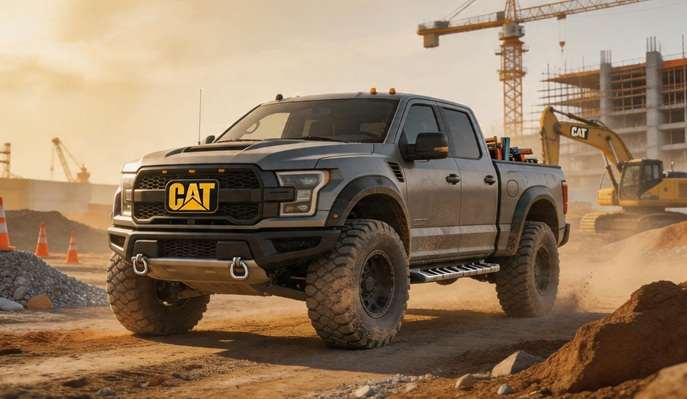
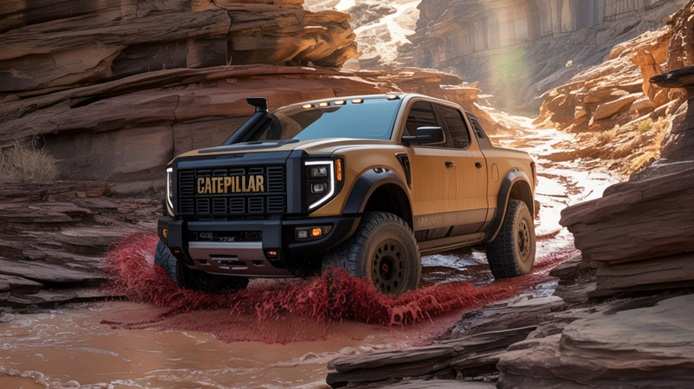
The 2027 Caterpillar Pickup is expected to feature a bold, industrial-inspired design that prioritizes function over flash. Unlike traditional consumer pickups that blend lifestyle aesthetics with utility, the CAT pickup leans heavily into its construction-grade DNA.
The front fascia is likely to feature a massive grille with integrated cooling channels designed for heavy-duty performance. CAT branding would be prominent, possibly illuminated, and paired with rugged LED lighting systems optimized for low-visibility environments like construction sites or mining operations.
The body is expected to use reinforced steel and possibly composite materials to withstand harsh conditions. High ground clearance, skid plates, and heavy-duty bumpers will likely come standard. The truck may also include integrated tool mounts and external tie-down systems directly built into the body.
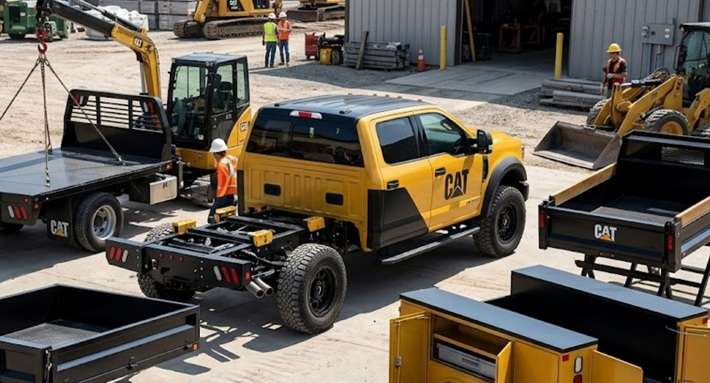
A key highlight is the modular rear chassis. Instead of a traditional fixed bed, the 2027 Caterpillar Pickup may feature a configurable rear platform that allows users to swap between different modules such as flatbeds, utility boxes, dump beds, or specialized equipment carriers.
Large all-terrain tires, beadlock-capable wheels, and reinforced suspension components complete the exterior, making it clear this truck is built for serious work environments.
Interior: Built for Work, Designed for Durability
Inside, the 2027 Caterpillar Pickup is expected to prioritize durability, practicality, and smart ergonomics over luxury, though higher trims may still offer premium touches.
The cabin will likely feature heavy-duty materials such as rubberized flooring, water-resistant surfaces, and scratch-resistant panels. Seats could be designed for long workdays, offering ergonomic support and easy-clean materials.
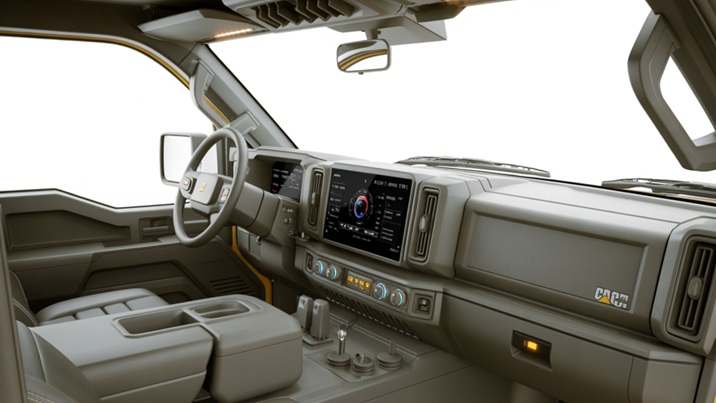
The layout is expected to be functional and intuitive, with large physical controls that can be operated with gloves. Storage solutions will be abundant, including lockable compartments for tools, equipment, and personal items.
Digital displays will be present but designed for clarity and usability rather than flashy graphics. The focus is on delivering essential information quickly and reliably.
Higher-end versions may include leather seating, climate control, and enhanced infotainment, but the core philosophy remains centered on work-first usability.
Technology and Smart Jobsite Integration
The 2027 Caterpillar Pickup is expected to introduce advanced technology tailored specifically for industrial and commercial use.
One of the standout innovations is Predictive Maintenance for a Pickup. Leveraging Caterpillar’s expertise in heavy machinery, the truck could use sensors and AI-driven diagnostics to monitor components in real time. This system would alert owners to potential failures before they occur, reducing downtime and maintenance costs.
The infotainment system will likely include fleet management integration, GPS tracking, and jobsite coordination tools. Connectivity features could allow managers to monitor vehicle health, location, and usage remotely.
Advanced driver-assistance systems will also be included, such as adaptive cruise control, collision avoidance, and 360-degree cameras, all optimized for both highway and off-road environments.
Additionally, the truck may support over-the-air updates, ensuring that software and diagnostic systems remain up to date.
Powertrain: Diesel-Electric Jobsite Hybrid
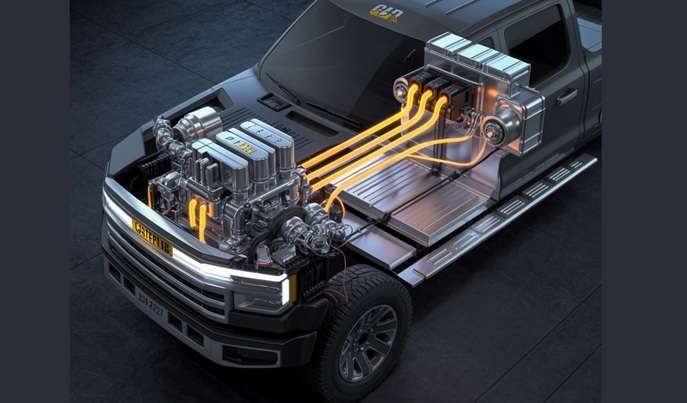
One of the most exciting aspects of the 2027 Caterpillar Pickup is its expected diesel-electric “jobsite hybrid” powertrain.
This system would combine a robust diesel engine with electric motors to deliver high torque, improved fuel efficiency, and lower emissions. Unlike traditional hybrids designed primarily for efficiency, this setup would focus on performance and utility.
The electric component could enable silent operation in certain environments, which is valuable for urban construction sites or noise-sensitive areas. It may also provide instant torque for heavy loads and off-road conditions.
Another major advantage is onboard power generation. The truck could function as a mobile generator, supplying electricity to tools, equipment, or even entire job sites.
This hybrid system aligns with global trends toward electrification while maintaining the reliability and power that diesel engines are known for.
Modular Rear Chassis
The modular rear chassis is one of the most innovative features of the 2027 Caterpillar Pickup. Instead of being limited to a single bed configuration, users can swap out rear modules based on their needs. Options could include:
- Flatbed for transporting materials
- Utility box with integrated storage
- Dump bed for construction work
- Crane attachment for lifting tasks
- Service module for maintenance operations
This flexibility transforms the truck into a multi-purpose platform, reducing the need for multiple specialized vehicles.
Standardized Attachment Ecosystem
Building on the modular concept, Caterpillar is expected to introduce a standardized attachment ecosystem.
This system would allow users to easily attach and detach tools and equipment using a universal interface. Similar to how CAT machinery uses interchangeable attachments, the pickup could support a wide range of add-ons, from snowplows to drilling equipment.
This approach not only increases versatility but also creates a new ecosystem of compatible tools and accessories, potentially opening up additional revenue streams for Caterpillar.
Specifications and Key Features
While official specs are still speculative, expected highlights of the 2027 Caterpillar Pickup include:
- Diesel-electric hybrid powertrain
- Torque exceeding traditional pickups
- High towing capacity (likely 12,000 lbs)
- Modular rear chassis system
- Advanced predictive maintenance technology
- All-wheel drive with off-road modes
- Industrial-grade suspension system
- Integrated power generation capability
- Durable, work-focused interior
2027 Caterpillar Pickup specs
| Category | 2027 Caterpillar Pickup (Concept) |
|---|---|
| Cab/bed | Crew cab; modular bed system (swap: pickup bed / service body / flatbed / fuel & tool pod) |
| Frame | Body-on-frame, heavy-duty crossmembers, upfit-ready mounting points |
| Powertrain A (diesel) | CAT-branded turbo-diesel (size TBD; concept target: 300–380 hp, 600–800 lb-ft) |
| Powertrain B (diesel-electric “Uptime Hybrid”) | Diesel + e-motor for launch/low-speed torque; export power-focused hybrid system |
| Transmission | Heavy-duty automatic (10-speed target) |
| Drivetrain | RWD or 4WD; 2-speed transfer case (4WD) |
| Axles/diffs | Locking rear diff standard target; front locker optional (off-road package) |
| Payload target | 3,500–5,500 lb (depends on GVWR/upfit) |
| Towing target (conventional) | 14,000–18,000 lb (depends on cooling/axle ratio/config) |
| Export power (onboard) | Standard inverter 2–7 kW target; Hybrid model 15–30 kW jobsite power target (240V capability) |
| PTO / hydraulics | Optional hydraulic PTO ports for service bodies (crane, compressor, etc.) |
| Suspension | Heavy-duty coils/leafs; optional “jobsite comfort” dampers; off-road package available |
| Tires | Work tires standard; optional all-terrain (33–35″) |
| Ground clearance target | 10–12 in (off-road package higher) |
Old vs New
Compared to conventional pickups like the Ford F-150 or Chevrolet Silverado, the 2027 Caterpillar Pickup represents a shift in philosophy. Traditional pickups balance work and lifestyle needs, often emphasizing comfort and design. The CAT pickup, on the other hand, is purpose-built for heavy-duty applications.
Key differences include the modular chassis, jobsite hybrid powertrain, and predictive maintenance system. These features are rarely found in standard consumer trucks. While older pickups rely on fixed designs and reactive maintenance, the Caterpillar Pickup introduces adaptability and proactive system monitoring.
| Category | CAT Pickup (Concept) | Ford Super Duty F-250 | Ram 2500 |
|---|---|---|---|
| Market reality | Not real (concept) | Real | Real |
| Size/class | Class 2b–3 target | Class 3 (varies by GVWR) | Class 3 |
| Core value prop | Uptime/telematics + modular upfits + export power | Broad config range + towing | Diesel torque + ride comfort |
| Engine theme | Turbo-diesel / diesel-hybrid | Gas + diesel options | Gas + diesel options |
| Torque focus | Very high (target 600–800 lb-ft) | High (diesel configs) | High (diesel configs) |
Who Is This For?
The 2027 Caterpillar Pickup is not designed for the average commuter. It is ideal for construction companies, contractors, mining operations, and industrial users who require a reliable and versatile work vehicle.
Fleet operators will benefit from predictive maintenance and remote monitoring capabilities, while small business owners can take advantage of the modular design to handle multiple tasks with a single vehicle. It may also appeal to off-road enthusiasts and professionals working in extreme environments.
Competition and Market Position
The 2027 Caterpillar Pickup would enter a competitive market dominated by models like the Ford Super Duty, Ram Heavy Duty, Chevrolet Silverado HD, and GMC Sierra HD.
However, it occupies a unique niche. Instead of competing directly on comfort or brand loyalty, it differentiates itself through innovation, durability, and jobsite integration.
If priced competitively, it could disrupt the commercial vehicle segment and attract buyers looking for more than just a traditional pickup.
A Realistic Business Case
From a business perspective, the 2027 Caterpillar Pickup makes strategic sense. Caterpillar already has a strong presence in construction and industrial sectors. Expanding into pickup trucks allows the company to offer a complete ecosystem of equipment and vehicles.
The modular design and attachment ecosystem could create recurring revenue through accessories and upgrades. Additionally, fleet-focused features like predictive maintenance add value for commercial customers. The main challenge will be pricing and scalability, as advanced features may increase production costs.
Frequently Asked Questions
Q.1. Is the 2027 Caterpillar Pickup real?
It is currently a concept and highly anticipated project, but strong industry interest suggests it could become a reality.
Q.2. What is a diesel-electric jobsite hybrid?
It is a powertrain that combines a diesel engine with electric motors to deliver power, efficiency, and onboard energy generation.
Q.3. What is predictive maintenance?
It is a system that uses sensors and data analysis to detect potential issues before they lead to failures.
Q.4. How is it different from other pickups?
It features a modular chassis, advanced hybrid system, and industrial-grade design focused on work environments.
Q.5. Who should buy this truck?
It is best suited for professionals, businesses, and industries that require high capability and versatility.
The 2027 Caterpillar Pickup has the potential to redefine the pickup truck segment by focusing on capability, adaptability, and intelligent design. With features like a diesel-electric jobsite hybrid, predictive maintenance, and a modular rear chassis, it goes far beyond what traditional trucks offer.
If Caterpillar successfully brings this concept to market, it could become a game-changer for industries that rely on powerful, reliable, and flexible vehicles.
Related Post