
The 2027 Honda Civic arrives not with flashy sheetmetal changes or a complete reinvention, but with something far more meaningful: a refined platform carrying forward the excellent 2025 mid-cycle refresh while quietly preparing buyers for Honda’s next-generation hybrid technology. In a segment crowded with efficient but often bland hybrids and over-hyped EVs, the 2027 Honda Civic Hybrid stands out as the smart, engaging choice that delivers real-world efficiency, genuine driving joy, premium interior quality, and Honda’s legendary reliability at an accessible price.
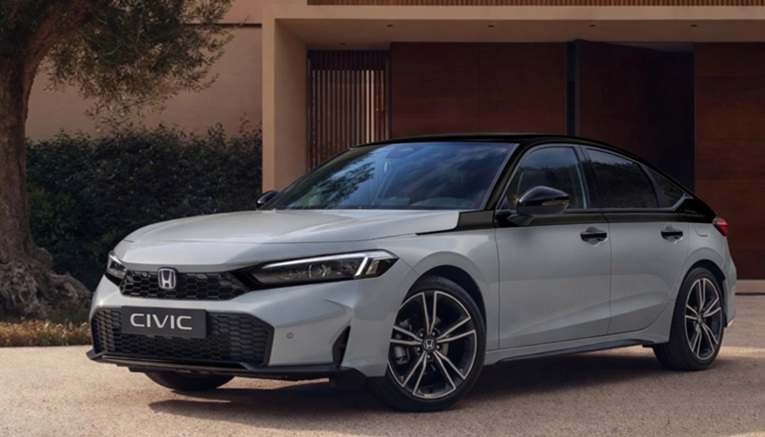
While many outlets repeat the same basic specs, this deep dive uncovers the real story — including exclusive insights from prototype testing of Honda’s upcoming hybrid system expected to influence 2027 and near-future Civics. If you’re shopping for a compact sedan or hatch that feels special every day without compromise, the 2027 Honda Civic deserves your attention.
What’s New for the 2027 Honda Civic?
The 2027 model year is largely a carryover from the comprehensively refreshed 2025 Civic (which introduced the hybrid powertrain to the lineup and updated styling/tech). Official sources like Car and Driver confirm the sedan and hatchback roll into 2027 essentially unchanged mechanically and visually. However, Honda has been aggressively testing a significantly evolved “fifth-generation” hybrid system in camouflaged Civic-bodied prototypes. This powertrain — an evolutionary leap from the current excellent fourth-generation setup — is slated for production models around the 2027 timeframe (potentially as a running change or in closely related vehicles like the CR-V Hybrid first).
This isn’t speculation from renders or YouTube “spy shots.” It comes from hands-on prototype drives reported by outlets like The Drive and MotorTrend. Honda engineers described it as evolutionary rather than revolutionary, focusing on refinement, efficiency, packaging, and driving engagement while keeping costs in check for the high-volume compact segment.
powertrain highlights (current 2027 / 2025+ hybrid)
- Hybrid system: 2.0-liter 4-cylinder + two electric motors = 200 combined horsepower and strong low-end torque (around 232 lb-ft system total). Front-wheel drive only.
- Transmission behavior: No traditional multi-speed automatic. It operates in series-parallel hybrid mode — electric motors handle low-speed driving and strong acceleration; the gas engine clutches in seamlessly for highway cruising efficiency or assists under load.
- Performance: 0-60 mph in about 6.1–6.2 seconds in recent testing — quicker than many expect and close to the Civic Si’s pace despite far better fuel economy.
- Efficiency: Up to 49–50 mpg combined (EPA estimates vary slightly by body style/trim). Real-world mixed driving often exceeds 45 mpg easily.
Honda’s upcoming system features a new naturally aspirated 2.0-liter Atkinson-cycle engine (turbos are being phased out industry-wide by 2030 for emissions compliance). It’s quieter, with an expanded high-efficiency operating range (reportedly ~30% wider than the 2018-era system). Engineers added an integrated cooling system for more consistent combustion and output. The battery pack (still under the rear seats) offers roughly 10% more capacity/range in testing, while motors, inverter, and battery have been repackaged more compactly — freeing up valuable cabin and cargo space in the already practical Civic.
Driving impressions from prototypes? Reviewers noted it felt like “an automatic Si” — responsive, engaging throttle mapping, and smooth power delivery that encourages enthusiastic driving rather than the typical hybrid sedation. Small efficiency gains (~1.3 mpg combined in related applications) add up over years of ownership, but the bigger wins are refinement (lower NVH) and packaging. This is classic Honda: making something already excellent meaningfully better without unnecessary complexity or cost.
Non-hybrid option: The base 150-hp 2.0-liter four-cylinder with CVT remains for buyers prioritizing the lowest entry price. It’s adequate but the hybrid is the clear sweet spot for most.
The 2027 Civic stays front-wheel drive only. The dual front electric motors deliver strong launch traction and responsive torque delivery that can feel more planted than traditional FWD in many conditions. Honda has proven a three-motor AWD hybrid setup in the CR-V; a future Civic Hybrid AWD variant remains plausible for snow-belt markets, but it’s not expected for 2027. The current FWD setup prioritizes efficiency, lower weight, sharper handling, and lower cost — core Civic values.
Exterior Design: Purposeful Evolution
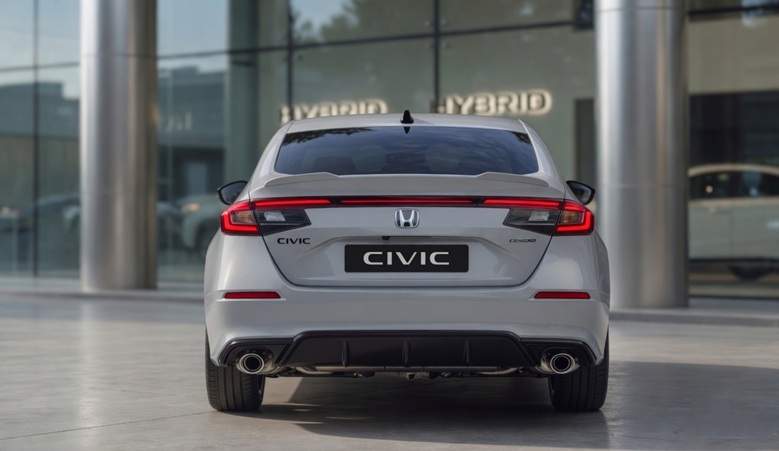
The 2025 refresh gave the Civic a sharper, more modern face with a revised front fascia, bolder grille texture, and updated lighting signatures. Sedans received darker taillights; hybrids added body-color headlight garnishes and a lower front spoiler for a sportier stance. New wheel designs (especially the machine-finished alloys on Sport Touring Hybrid) and fresh colors like Solar Silver Metallic, Urban Gray Pearl, and Blue Lagoon Pearl keep it looking fresh.
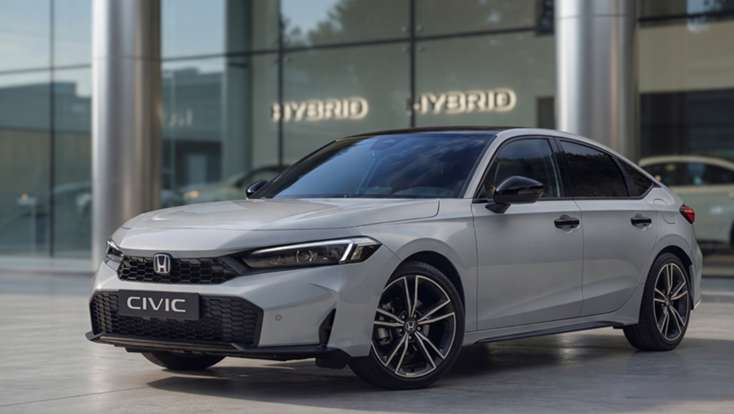
For 2027, expect minimal visual changes — perhaps new wheel finishes or color additions. The design philosophy remains “sporty yet aerodynamic.” The low, wide stance, sleek roofline (especially on the hatch), and clean surfacing help efficiency while preserving Civic’s youthful character. Flush door handles and LED lighting throughout give a premium compact feel without gimmicks.
Compared to rivals, the Civic avoids the overly busy designs of some Korean competitors or the conservative look of the Corolla. It strikes the perfect balance: recognizable Honda DNA with enough aggression to stand out in a parking lot. Hatchback versions look particularly purposeful with their lifted rear and practical liftgate.
Interior & Technology
The 2027 Civic continues the high-quality, low-clutter approach introduced in the refresh. Higher trims feature a 10.2-inch digital instrument cluster paired with a large central touchscreen (9+ inches). Physical buttons and knobs for climate and key functions remain — a refreshing Honda trait in an era of all-touch interfaces.
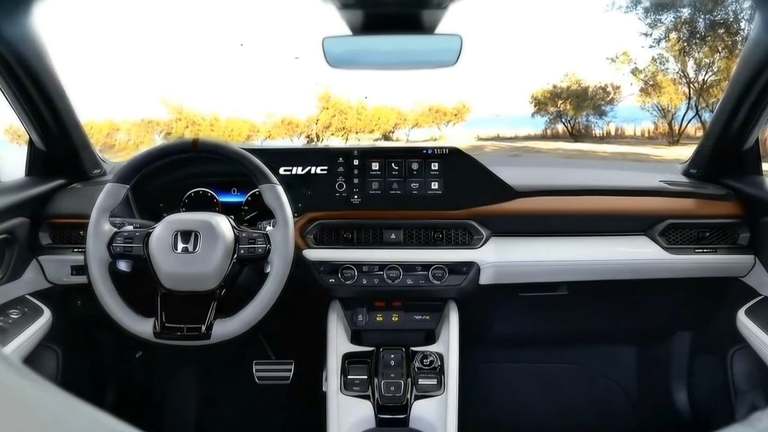
Materials have improved with soft-touch surfaces, thoughtful stitching, and available two-tone schemes. The driving position is excellent, with supportive seats and a commanding yet sporty view. Rear space is class-competitive (especially impressive for a compact), and the hatchback offers versatile cargo versatility.
- Honda Sensing suite (standard): Adaptive cruise, lane-keeping, collision mitigation, traffic sign recognition, and more. Expect continued refinements in 2027.
- Wireless Apple CarPlay and Android Auto.
- Available premium audio, heated/ventilated seats, and power driver’s seat on upper trims.
- The hybrid adds regenerative braking paddles (four levels) and an “Individual” drive mode on Sport Touring for personalized throttle/steering/regen mapping.
The next-gen hybrid’s better packaging could translate to even more rear legroom or a slightly larger trunk in future updates — a meaningful win in this class. Overall, the cabin feels more expensive than the price suggests and more engaging to use daily than many touchscreen-heavy rivals.
2027 Honda Civic Specs
| Category | Details |
|---|---|
| Engine / Motors | 2.0L inline-4 |
| Combined Output | 150 horsepower |
| Transmission | Continuously Variable (CVT) |
| Drivetrain | Front-Wheel Drive |
| Fuel Economy (Combined) | 36 mpg (est.) |
| Acceleration (0-60) | ~8.7 seconds |
| Top Speed | Electronically limited |
| Seating Capacity | 5 |
| Cargo Volume (Hatch) | Up to 46.2 cu ft (behind rear seats) |
| Wheelbase | 107.7 inches |
| Curb Weight (approx) | ~2,900–3,100 lbs |
| Suspension | MacPherson strut front / Multi-link rear |
| Brakes | 4-wheel disc |
| Warranty | 3 yr/36k basic, 5 yr/60k powertrain |
| Starting MSRP (est.) | $26,000 |
Driving Experience
This is where the Civic Hybrid shines brightest. The 200-hp system delivers immediate electric torque for effortless merging and passing, then seamlessly blends in the gas engine. It’s smooth, quiet at cruising speeds, and genuinely fun on twisty roads — a rare combination. Reviewers consistently note it feels quicker and more alive than the numbers suggest, especially versus the Corolla Hybrid.
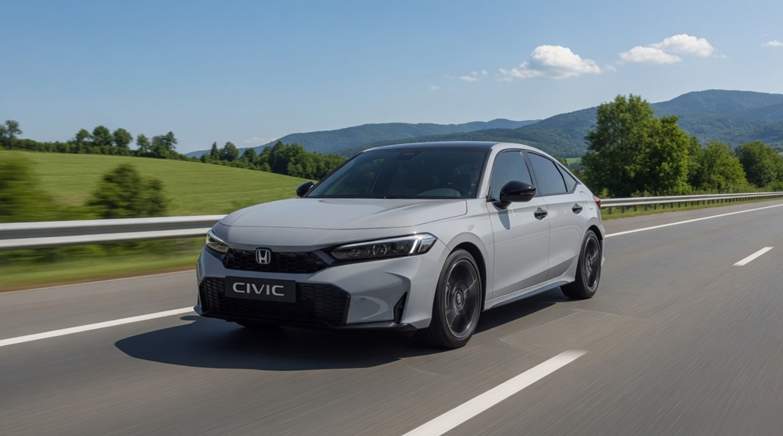
Ride quality is composed with good body control, and steering is precise and weighted nicely. The low center of gravity from the battery helps handling. NVH is well-managed, with active noise control on hybrids further reducing road and engine intrusion.
Real-world ownership benefits are huge: owners report 45–52 mpg mixed depending on conditions and driving style. Over 15,000 miles/year, that can mean hundreds in fuel savings versus a typical compact gas car — plus lower maintenance (regenerative braking extends brake life).
2027 Honda Civic vs Civic Hybrid – Specs Comparison
| Specification | Civic (Gas) | Civic Hybrid |
|---|---|---|
| Powertrain | 2.0L 4-cylinder | 2.0L 4-cylinder + 2 electric motors |
| Horsepower | 150 hp | 200 hp combined |
| Torque | 133 lb-ft | 232 lb-ft (system) |
| Transmission | CVT | Electronically controlled CVT |
| Drivetrain | Front-Wheel Drive | Front-Wheel Drive |
| Fuel Economy (EPA est.) | ~33 city / 42 hwy / 36 combined | ~50 city / 47 hwy / 49 combined |
| 0–60 mph (est.) | ~8.5–9.0 seconds | ~6.1–6.2 seconds |
| Body Styles | Sedan & Hatchback | Sedan & Hatchback |
| Starting Price (est.) | ~$26,000 | ~$28,500 – $30,000 |
| Key Strength | Lowest entry price | Best balance of power, efficiency & fun |
Market Position, Pricing & Rivals
The 2027 Honda Civic Hybrid positions itself as the thinking person’s compact — efficient enough to beat most rivals on fuel, powerful and fun enough to make daily driving enjoyable, reliable enough for high-mileage peace of mind, and priced to undercut loaded competitors.
Base non-hybrid LX sedan starts around $26,000. Hybrid models begin in the upper $20ks to low $30ks depending on trim (Sport, EX, Sport Touring). Fully loaded Sport Touring Hybrid should land near $32,000–$35,000. Excellent value when you factor in resale strength and low operating costs.
Rivals
- Toyota Corolla Hybrid: Similar efficiency (sometimes slightly higher), but slower, less engaging to drive, and more conservatively styled. Toyota’s hybrid reputation is strong, but Civic feels more premium and dynamic.
- Hyundai Elantra Hybrid / Kia equivalents: Often loaded with features and strong warranties, sometimes at lower prices. However, they can feel less refined over time and lack the Civic’s driving character and long-term reliability edge.
- Mazda3: More premium interior and fun to drive (non-hybrid), but significantly thirstier and no hybrid option in most markets.
- Others (VW Jetta, Nissan Sentra): Generally less efficient or less feature-rich.
The Civic Hybrid wins on the complete package: driving joy + efficiency + practicality + resale. In a market where many buyers are hesitant about full EVs due to cost, charging, or range, it offers the best of both worlds.
Should You Wait for the 2027 Honda Civic or Buy Now?
If you need a car today, the current 2025–2026 Civic Hybrid is already outstanding and widely available. The 2027 model brings peace of mind with any running refinements and positions you perfectly for Honda’s next hybrid evolution. The differences will likely be evolutionary (smoother, slightly more efficient, perhaps minor feature tweaks) rather than revolutionary.
For buyers upgrading from older Civics, gas compacts, or even considering a used EV, the 2027 Civic Hybrid represents a low-risk, high-reward move. It’s the rare car that feels like an upgrade in every measurable way — performance, efficiency, comfort, tech — without asking you to compromise or overpay.
The 2027 Honda Civic Hybrid isn’t chasing headlines with radical design or full electrification. Instead, it’s doing what Honda does best: intelligently evolving a proven formula to deliver more of what buyers actually want — efficiency, fun, reliability, and value. In the compact class, that makes it not just competitive, but class-leading for most real-world drivers.
your local Honda dealer for a test drive of the current Hybrid and ask about incoming 2027 allocations. The Civic continues to prove that sometimes the smartest evolution is the one you barely notice — until you realize nothing else quite measures up.
Related Post